
Glucose Monitoring: Goals, Supplies and Types of Measurement
CCS EDUCATION | 4 MIN READ
glucose monitoring
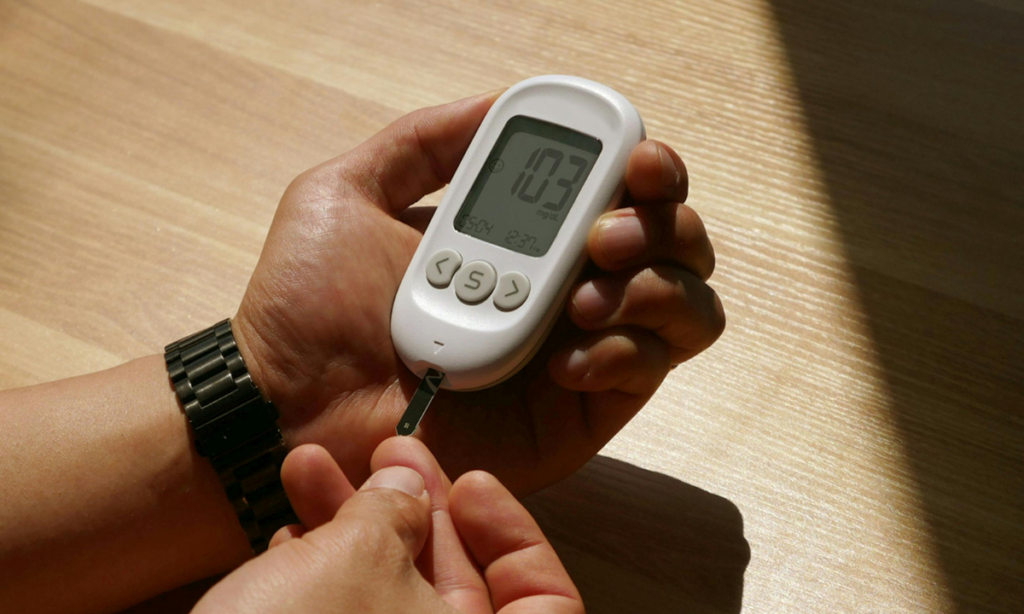
Monitoring your glucose with your meter is one of the best ways to see how well you are managing your diabetes. Every time you check your blood sugar with your meter, the results show you and your healthcare provider how well your medicines are working, and how your food and activity affect your levels.
Check with your healthcare provider to determine how many times a day you should check your glucose. It can vary depending on what type of diabetes you have, if you are sick, or whether or not you are on insulin. It is helpful to check your glucose at various times of the day to see glucose patterns.

Checking two hours after a meal lets you see if what you ate raised your glucose too high. You should also check when you make changes in your food, work or activity schedule. Write down your results, and talk to your healthcare provider about them. You and your healthcare provider can make changes as needed to prevent future problems
glucose goals
Preprandial (before meals)
80-130 mg/dL
Postprandial (1-2 hours after the start of the meal)
Less than 180 mg/dL
Diabetes Care, Volume 44, Supplement 1, January 2021 S79. Accessed 03/2021
have the following supplies ready before you check your glucose
Checking your glucose may seem hard at first. It becomes easier with practice. Most meters come with a toll-free customer service number that you can call if you need additional assistance.
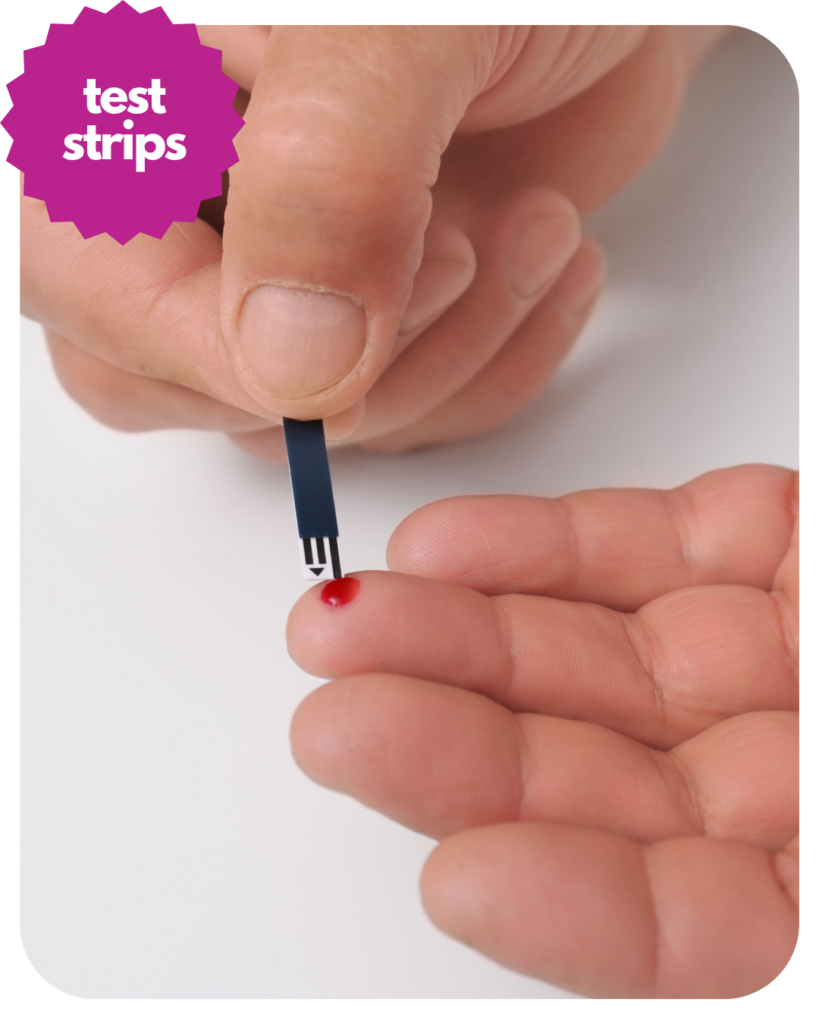
Test Strips
Make sure they are not out of date, they are the right strips for your meter, and that the meter is coded to match the strips.

Clean Hands
Soap and water to clean your hands.
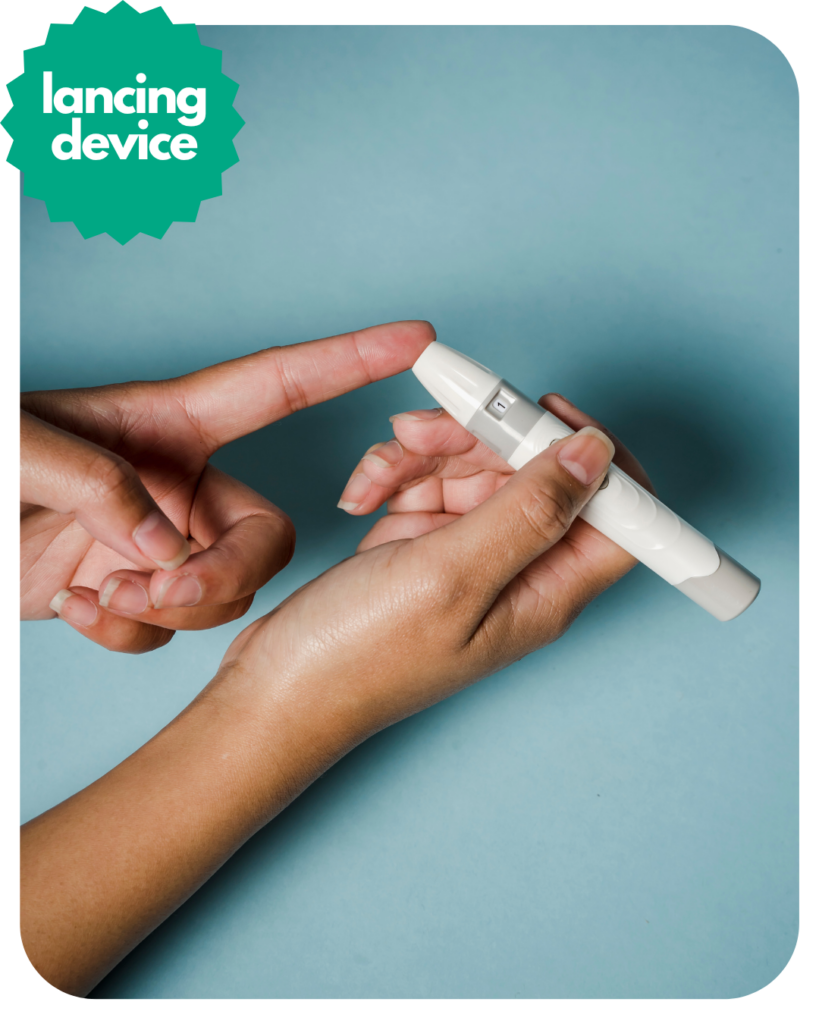
Your Lancing Device
Most meters now allow checking on sites other than your fingertips.
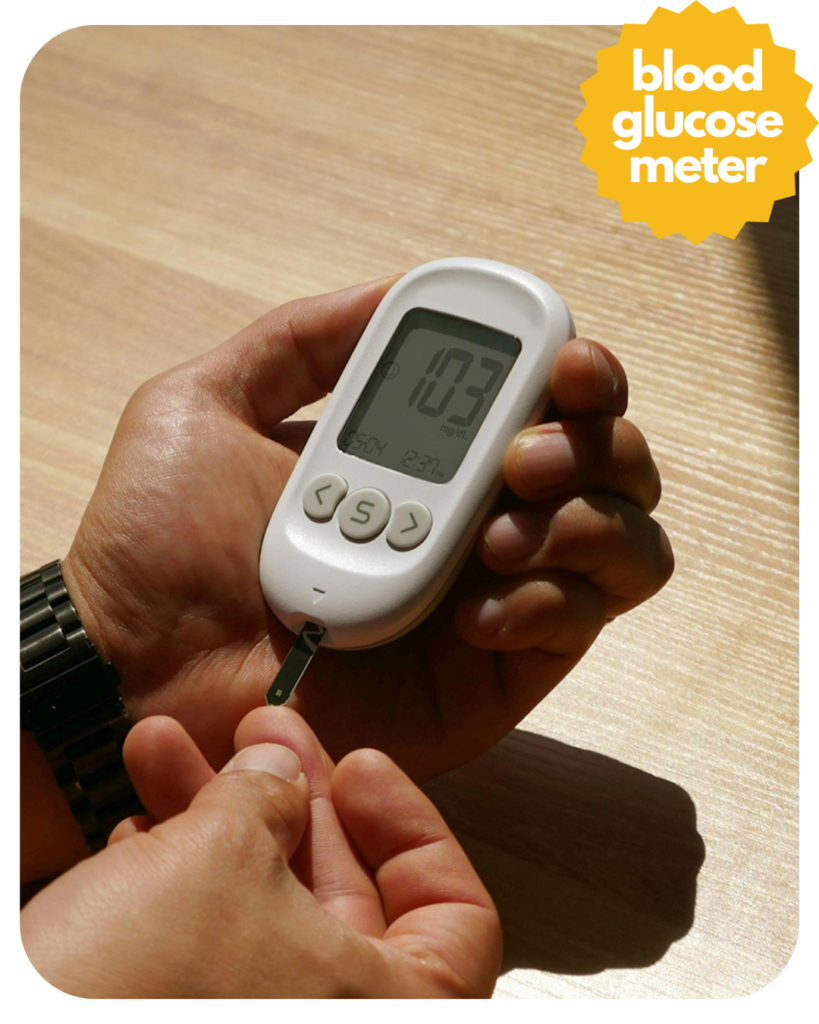
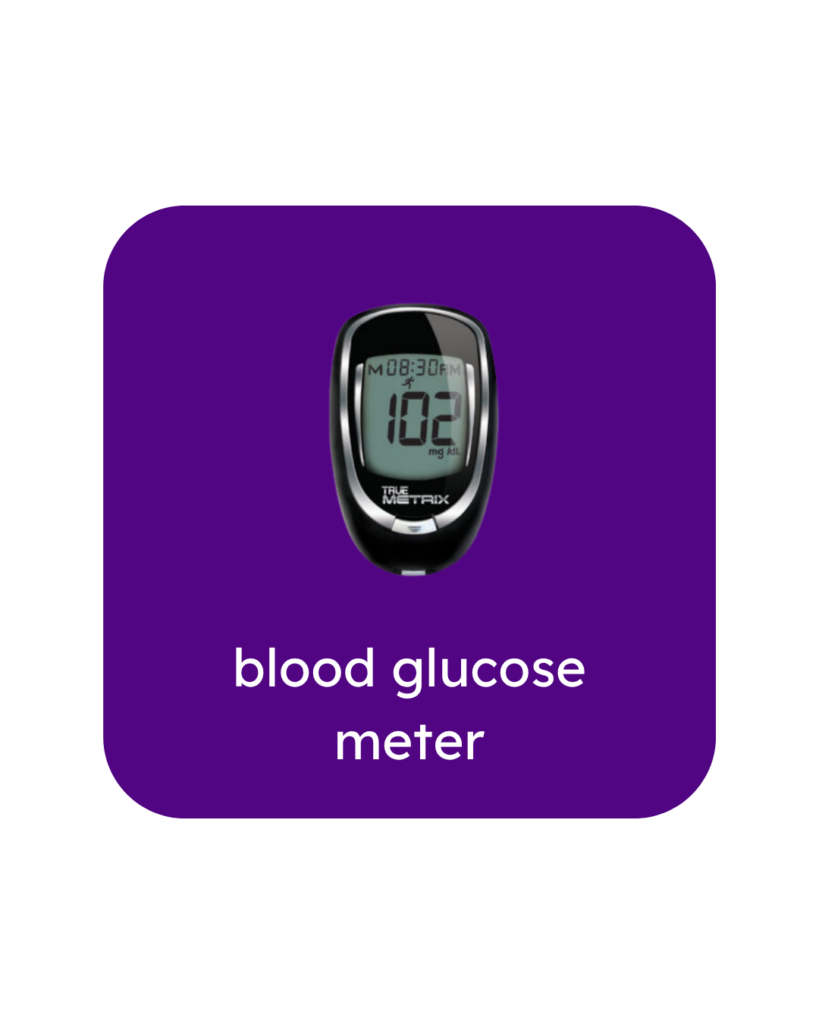
Blood Glucose Meter
Ask your diabetes educator or pharmacist for help in learning how to use one, if needed.

Log or Record Book
To write down the results, even if your meter has a memory. If you misplace your meter, you will always have a written record to show your healthcare provider.
A1C
A1C is a laboratory blood check. It shows how well you have been controlling your glucose levels for the past three months.
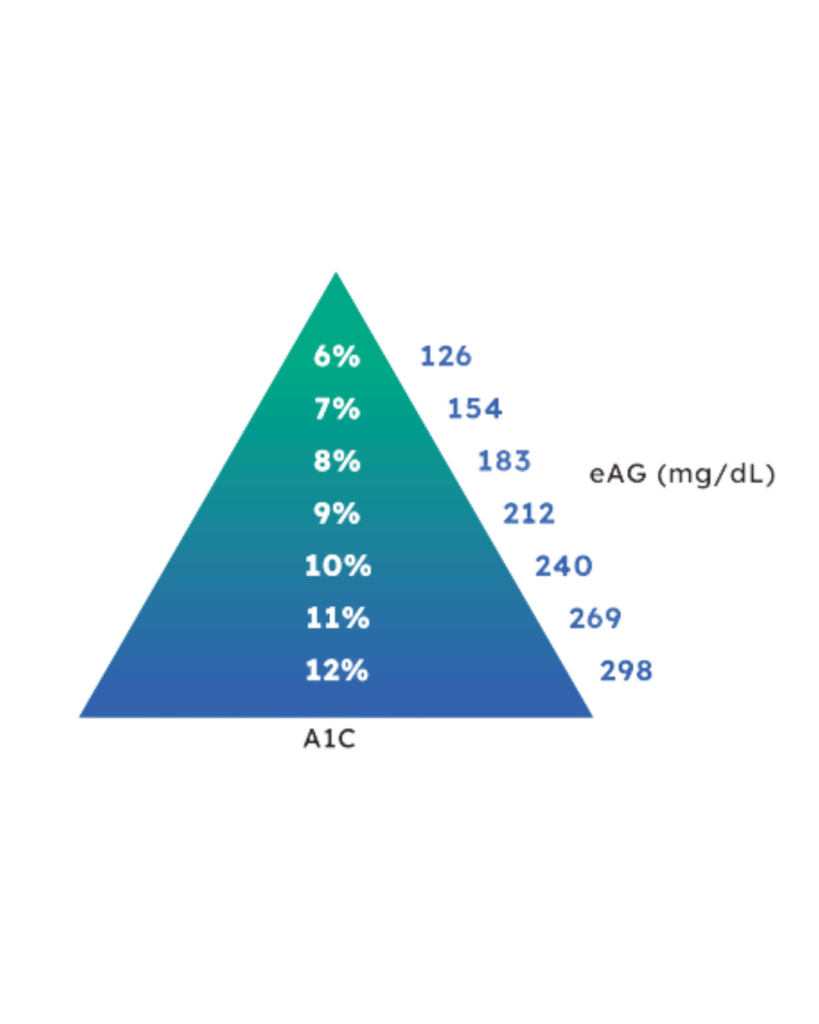
The normal A1C range for people without diabetes is less than 5.7%. When the results of this check fall within the normal range, it means that your glucose levels have been within the target range for the past three months. Results may vary slightly from one lab to another. Ask your healthcare provider to find out what the normal range is for the lab he/she uses. Keeping A1C levels at 7% or lower helps to prevent or delay complications of diabetes. Some healthcare providers set the goal at 6.5%
The following graphic shows how the results relate to estimated average blood glucose (eAG) levels:
Time-in-range (TIR)
Another measurement to monitor your glucose is called time-in-range. Time-in-range, or TIR, is the amount of time your glucose level is in your target range, something your A1C doesn’t tell you. Knowing both your A1C and your time-in-range can help you better manage your glucose. Your CGM will automatically calculate your TIR.
Estimated Average Glucose
Estimated Average Glucose or eAG is another term used to describe the A1C in a way that is similar to what you observe when you check your blood sugar with your monitor.
Ketone testing
If you have type 1 diabetes or are pregnant, your healthcare provider may want you to check for ketones. Ketones occur when there is not enough insulin in the body to use glucose for energy. The body uses the fat stores for energy. The breakdown of fat produces ketones. Ketones build up in the blood. This can lead to a serious condition called ketoacidosis. Your healthcare provider and the sick day guidelines will let you know when to check for ketones. This is a urine check. You will need to have a box of ketone strips. The box will explain how to check your urine. Call your healthcare provider if your ketones are “moderate” or “high.”
CCS Diabetes technology products
CCS Medical offers the brands and products you already know and trust – including blood glucose monitors – with free, on-time shipping. Check out all our products HERE.
Not a CCS Medical customer yet? Check your coverage for continuous glucose monitoring systems today!
Did You Know?
CCS hosts live webinars led by our Certified Diabetes Educators! We even host a webinar all about continuous glucose monitoring therapy.

This site is for educational purposes only. Talk to your doctor or healthcare provider before making any decisions about your health.
RESOURCES

CCS Diabetes Guide
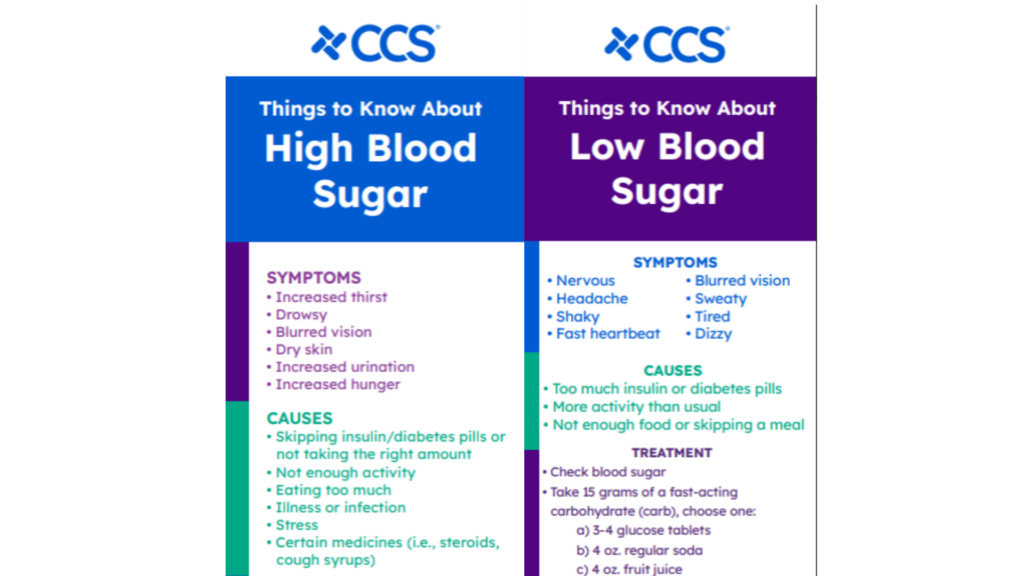
Blood Sugar Bookmark
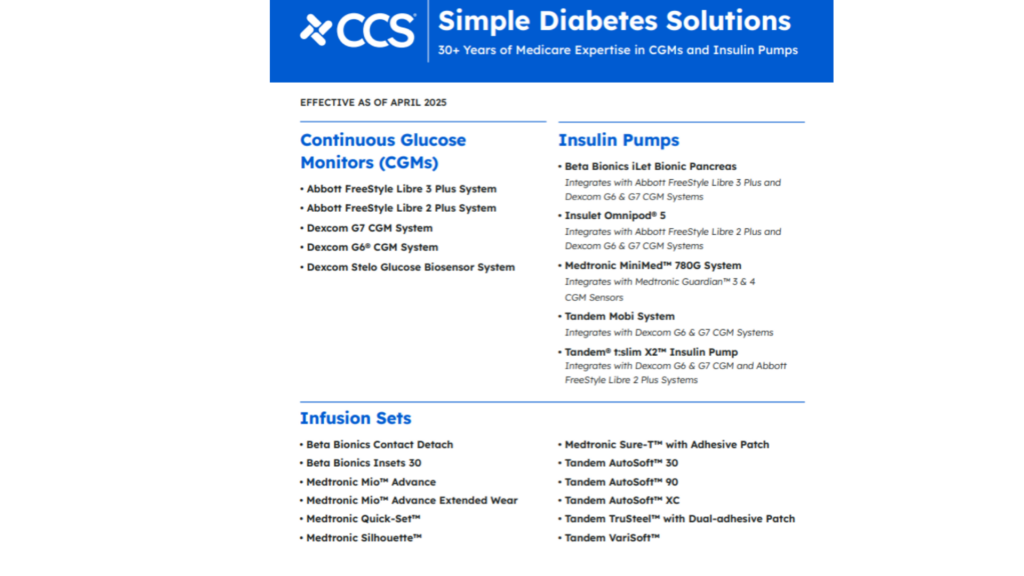
Single Diabetes Solutions

CCS Diabetes Guide (Spanish)
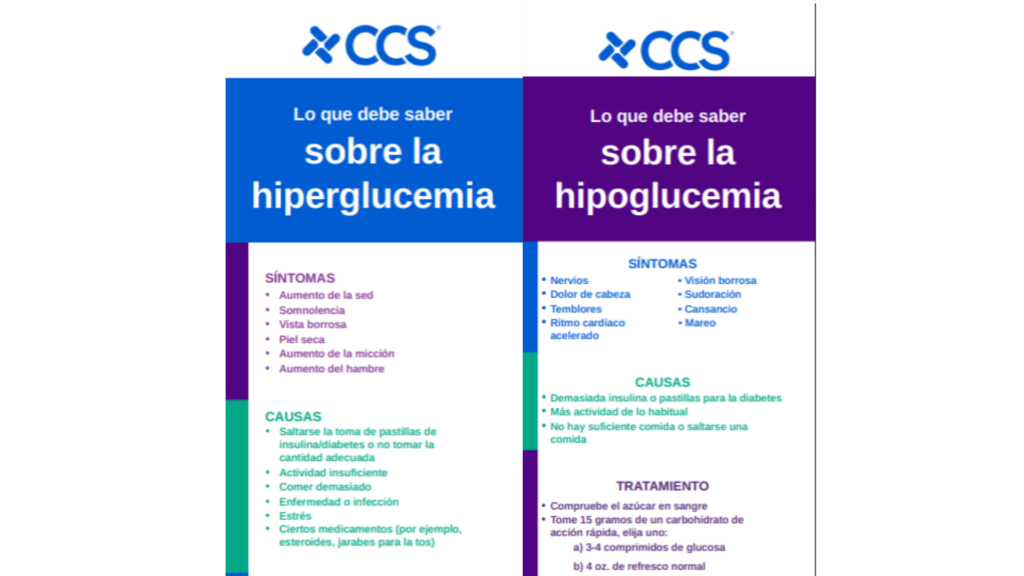
Blood Sugar Bookmark (Spanish)