
Diabetes and Traveling
CCS EDUCATION | 4 MIN READ
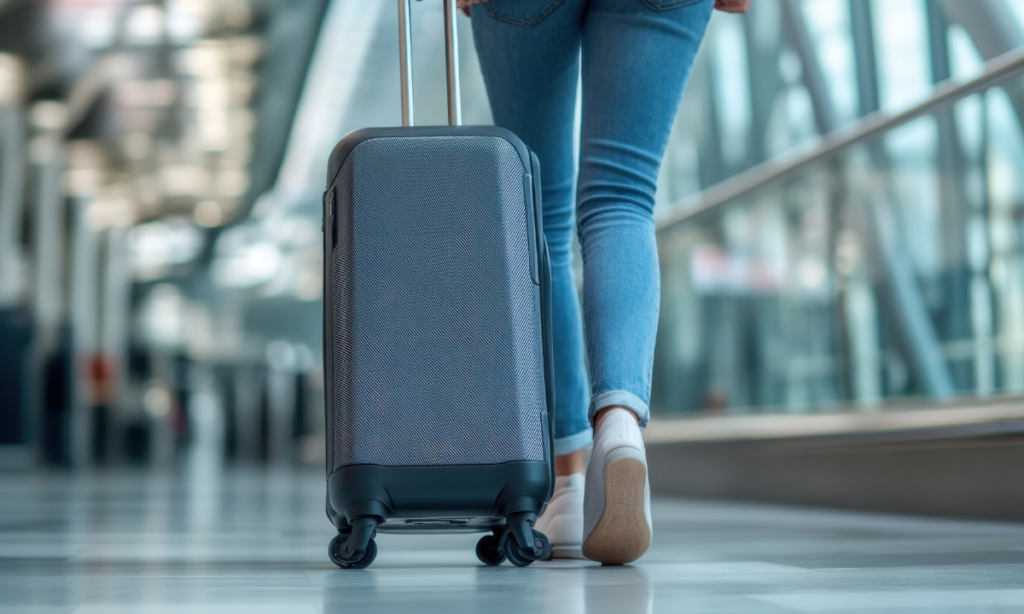
taking a trip soon?
Traveling is all about exploring new places, making memories, and trying new things. But if you are managing diabetes, it is important to plan ahead so you can have a worry-free trip. Here are some simple tips to help you enjoy your journey while keeping your diabetes in check.
Pack your essentials
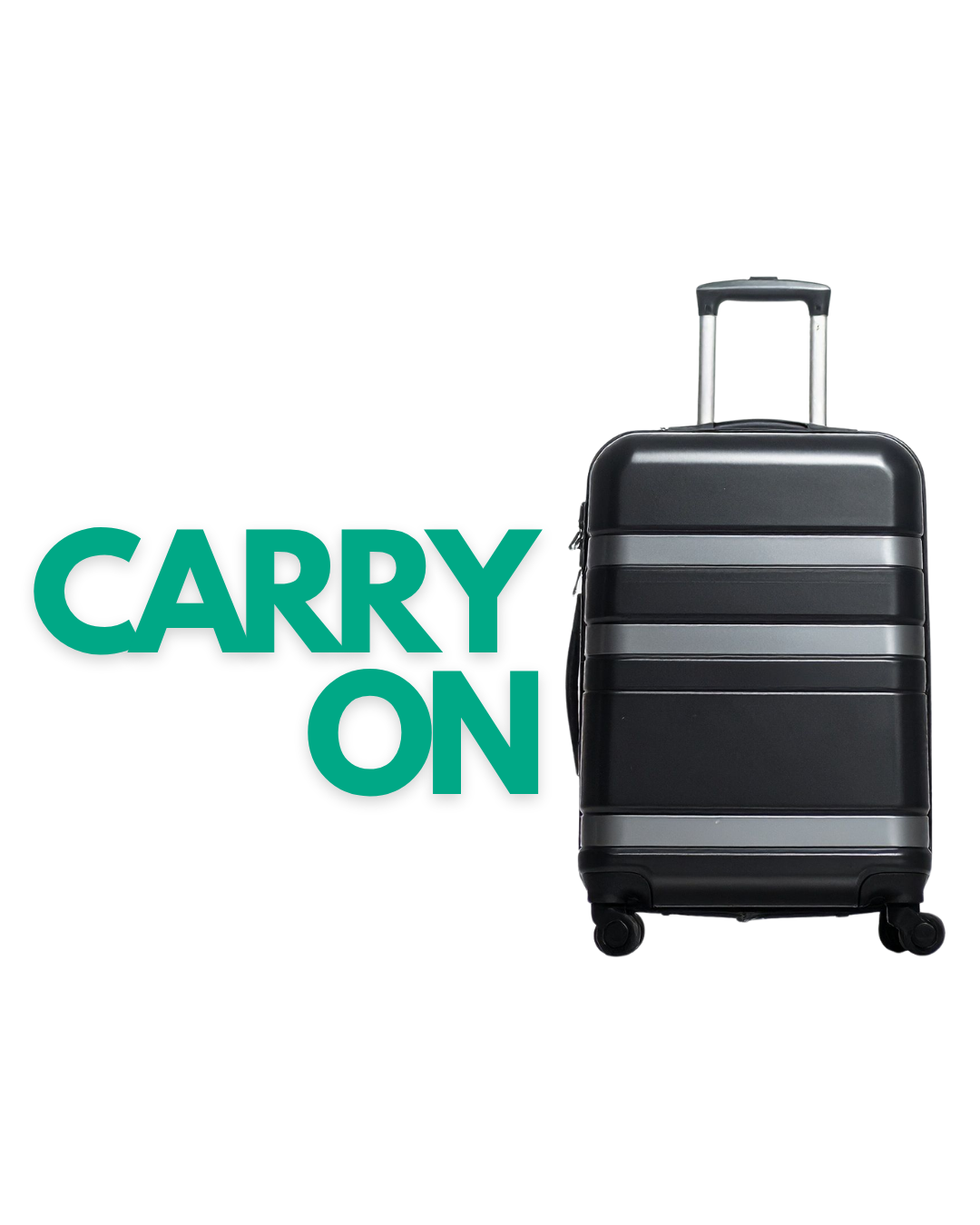
Before you take off, double-check that you have packed all your diabetes must-haves in your carry-on luggage. Insulin, testing supplies, medications, and snacks are your trusty companions. It is always better to be over-prepared.




Snack Smart
Long journeys can impact your eating routine, so stash some healthy snacks in your bag. Nuts, seeds, whole-grain crackers, and fruit can save the day when hunger strikes while on the road.

Stay Hydrated
Traveling can dehydrate you, so drink plenty of water. If you are flying, bring an empty water bottle to fill up after you go through security. Your body will thank you!

Plan Meals Ahead
Research restaurants or grocery store options at your destination. Knowing where you can find balanced meals can save you from impulsive choices or situations where you have no choice.

Time Travel Tweaks
If you are changing time zones, adjust your medication schedule accordingly. Your healthcare provider can help you figure out the best way to do this.

Pack Comfy Shoes
Exploring new places often means walking a lot. Comfortable shoes can keep your feet happy and prevent any unexpected blisters or sores. Same goes for socks!

Keep Moving
Long flights or car rides might make you feel a bit stiff. Make it a habit to stretch or walk around every couple of hours to keep your blood flowing.

Notify Travel Companions
If you are traveling with friends or family, let them know about your diabetes and what to do in case of an emergency. It is always good to have a backup plan.

Emergency Info
Carry a card with your emergency contact details, doctor’s name, and important medical information. You may also want to include your insulin pump settings in case of a pump malfunction or to program a back-up travel pump. This small piece of paper can make a big difference. Pro Tip: Laminate it or keep a picture of it on your phone!
Extra Supplies
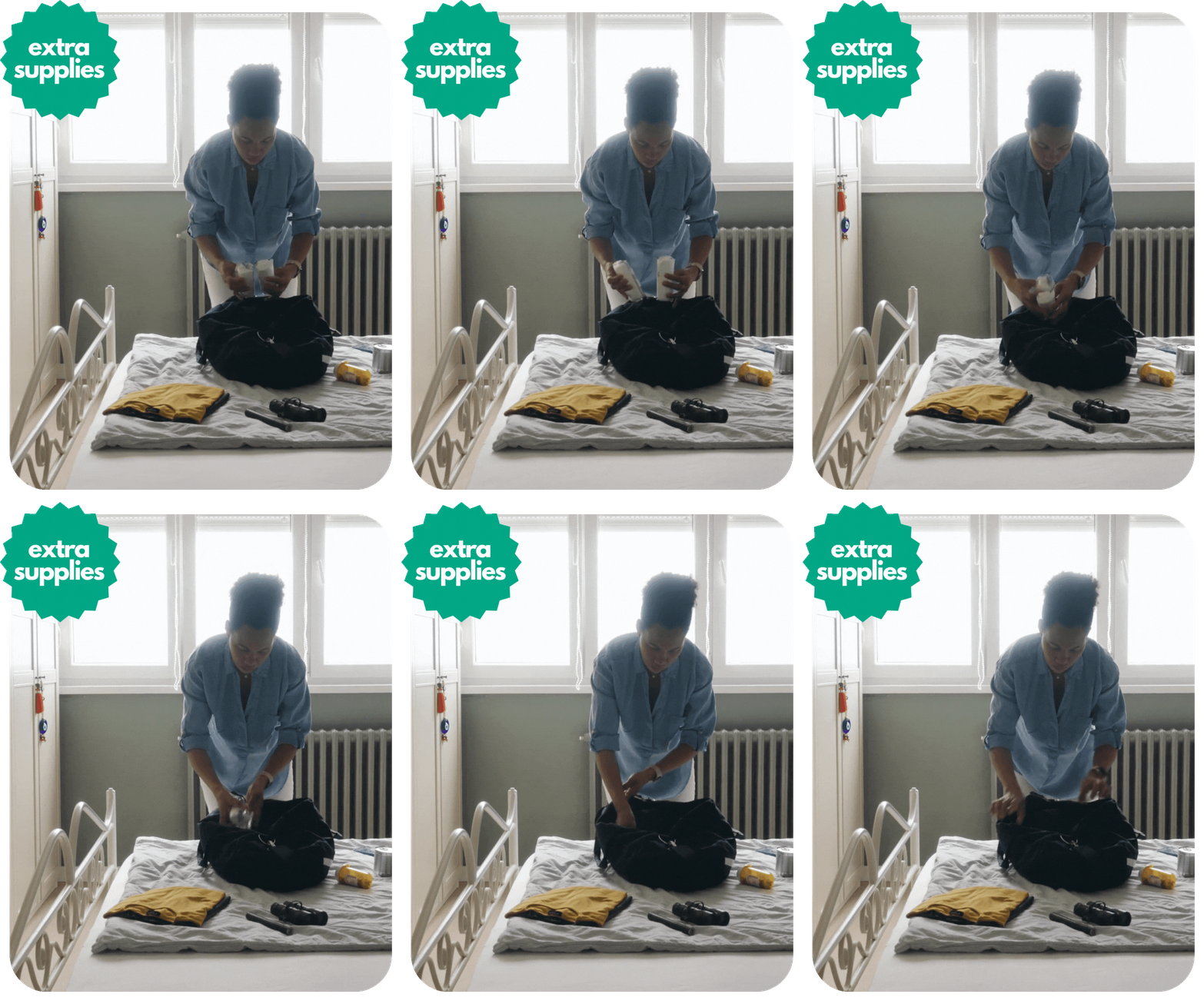
Contact your device manufacturer to see if they have a loaner program in case your device malfunctions during travel. Pack twice as much diabetes supplies and insulin that you would typically need for the same amount of time at home.

Backup Plan
In case of a device malfunction, have prescriptions on hand for both rapid and long-acting insulin. Get written instructions from your doctor on how to take insulin injections if you need to switch from a pump to injections.

Stress Less
Traveling can be stressful, but stress is not good for diabetes. Practice deep breathing, meditation, or even light yoga to keep calm and collected.

Stay Sun Smart
If your destination is sun-soaked, protect your skin with sunscreen and a hat. And do not forget to keep your insulin and supplies out of direct sunlight or extreme temperatures (greater than 86F). A cooler can help with that.

Enjoy In Moderation
Trying local delicacies is part of the fun but be mindful of portion sizes, sugary treats, and alcoholic beverages. A little indulgence is OK, just remember to balance it out.

Learn Local Lingo
If you are traveling to a place where your native language is not widely spoken, learn a few basic phrases to explain your diabetes needs. Audio translator smartphone apps can help here too.

Airport Prep
Be sure to familiarize yourself with TSA and FAA guidelines so you can board your flight without any problems. You may also want to check your device user guide for specific instructions on how to pass through airport security systems (X-rays or full-body scanners) with your device. Arriving early at the airport can help lower your stress by giving you time to go through security with your supplies.
REMEMBER THIS…
You are not alone on this journey. Talk to your doctor or one of our Certified Diabetes Care and Education Specialists (CDCES) before traveling to get personalized advice, and plan ahead. This way, you can focus on the adventure, not your diabetes. With a bit of preparation, your travel memories will be even sweeter – in a good way! Stay safe, have fun, and bon voyage! This makes our blood sugar go up in the morning. It can be hard for people with diabetes who might not have enough insulin, or their bodies do not use it well, and their sugar goes even higher.
This site is for educational purposes only. Talk to your doctor or healthcare provider before making any decisions about your health.
RESOURCES

CCS Diabetes Guide
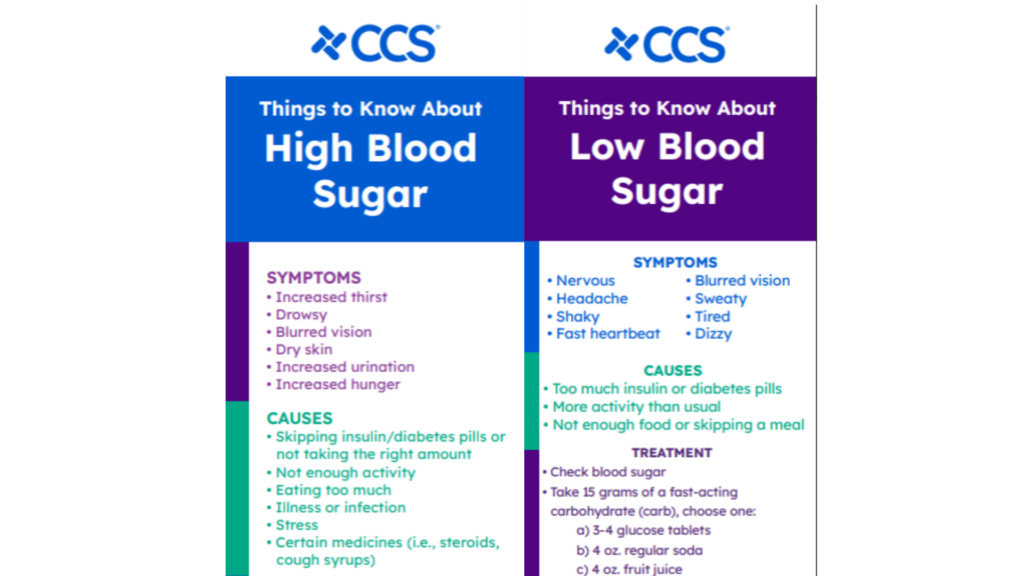
Blood Sugar Bookmark
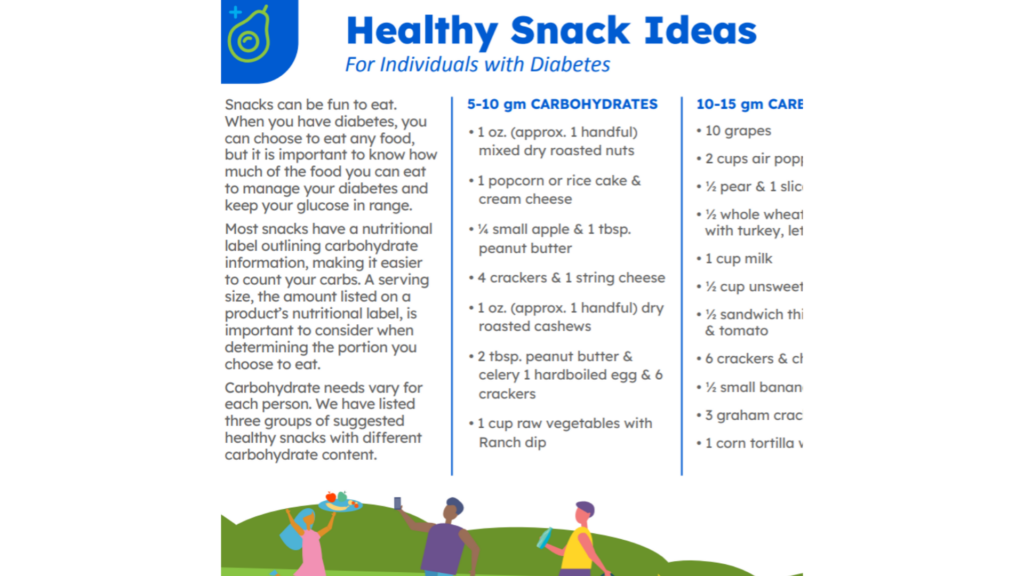
Healthy Snack Ideas
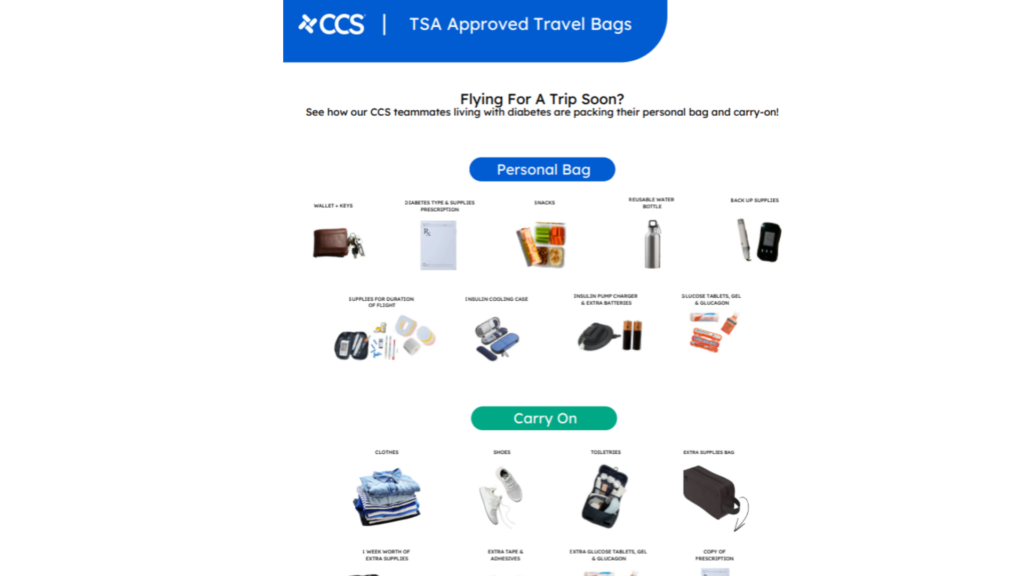
Travel Checklist

CCS Diabetes Guide (Spanish)
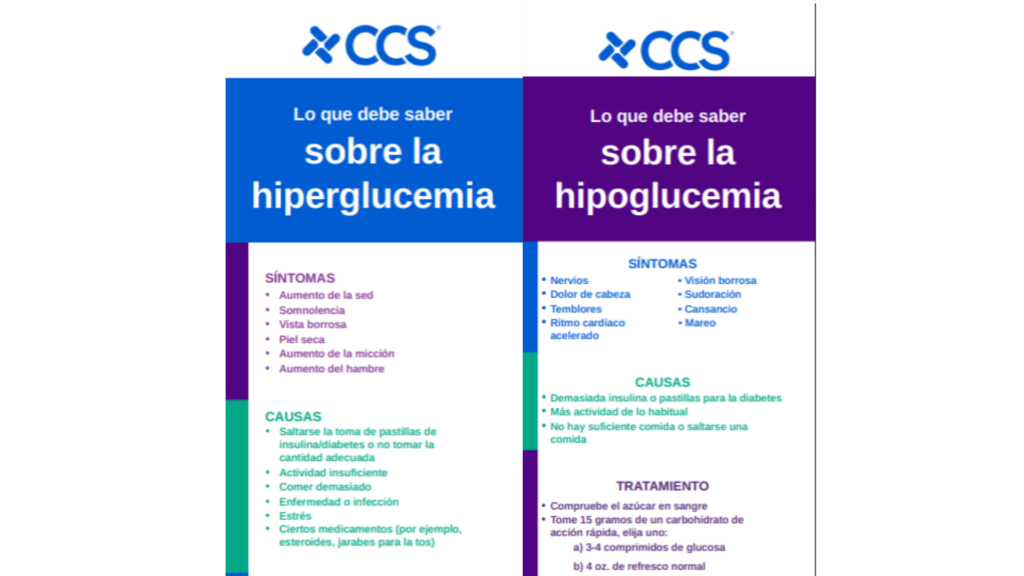
Blood Sugar Bookmark (Spanish)

Healthy Snack Ideas (Spanish)