Spring Allergies and Diabetes: What You Should Know
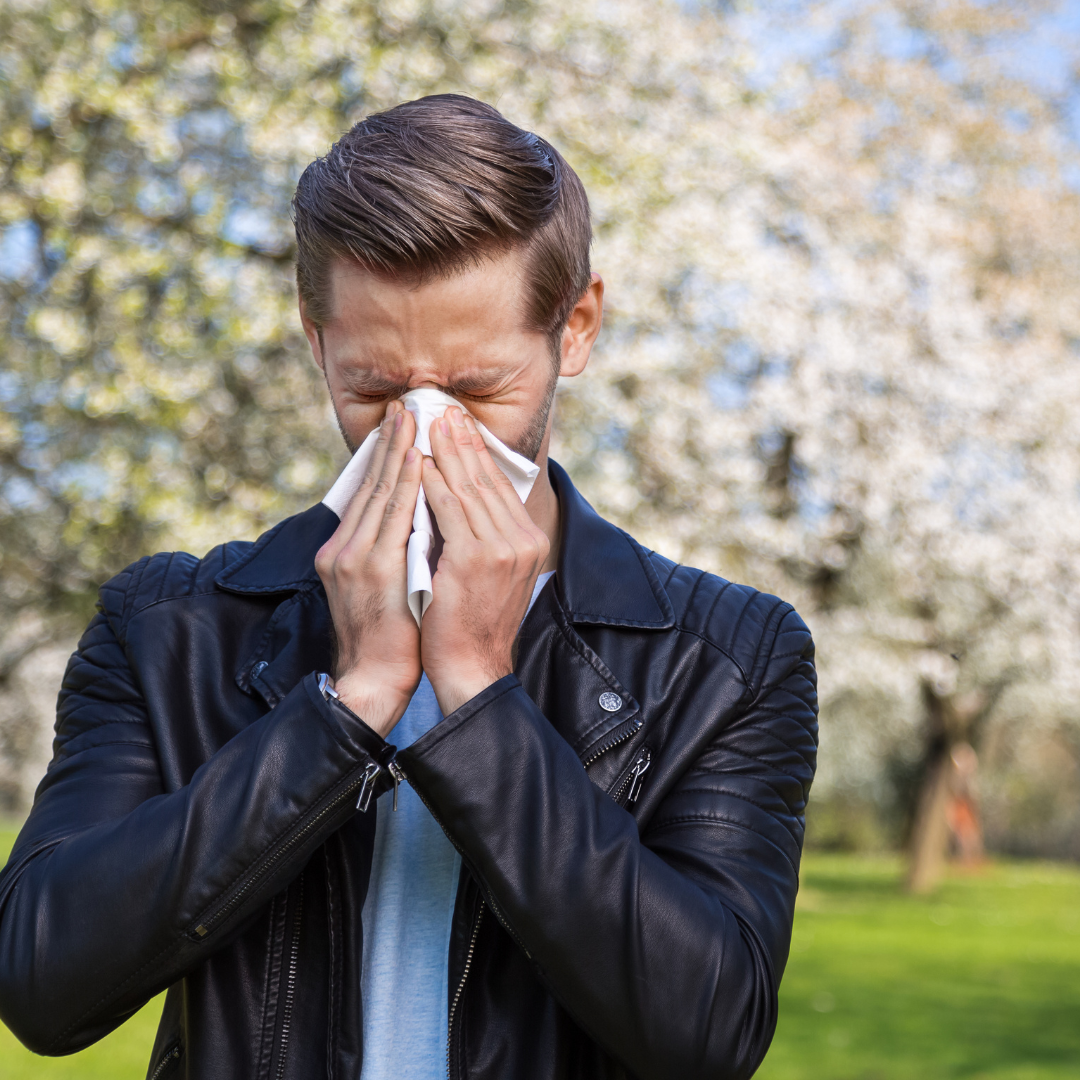
Throughout most of the country, spring brings warmer weather, blooming flowers, and longer days. But for many people, it also brings sneezing, itchy eyes, and congestion. Seasonal allergies can make anyone feel miserable. If you live with diabetes, allergies can affect how you manage your blood glucose.
Understanding the connection between seasonal allergies and diabetes can help you stay comfortable and keep your diabetes well managed during allergy season.
What Is the Connection Between Allergies and Diabetes?
Allergies happen when your immune system reacts to things like pollen, mold, or dust. Symptoms often include runny nose, itchy or watery eyes, sneezing, and skin irritation. For someone living with diabetes, these symptoms can amplify in ifferent ways, including:
- Stress on the body. Allergy symptoms can cause inflammation and physical stress. When your body is stressed, blood sugar levels may rise.
- Sleep problems. Congestion or coughing can make it hard to sleep. Poor sleep can make blood sugar harder to control.
- Medications. Some allergy medicines contain ingredients that may raise blood sugar or affect blood pressure.
- Dehydration. Runny noses and certain medications can dry out your body. Dehydration can sometimes raise blood sugar levels.
- Feeling unwell. When you don’t feel your best, it can be harder to stay on top of healthy eating, exercise, and glucose monitoring.
Common Spring Allergies Across the United States
Southeast (North Carolina, South Carolina, Georgia, Florida)
- Tree pollen is very common in early spring.
- Pine pollen often covers cars and sidewalks with yellow dust.
- Grass pollen begins later in the season.
- Long allergy seasons are common because the climate is warm.
Northeast (New York, Pennsylvania, New Jersey, New England)
- Tree pollen appears in early to mid-spring.
- Mold can increase after rainy weather.
- Grass pollen becomes a problem in late spring.
Midwest (Illinois, Ohio, Michigan)
- Tree pollen starts in early spring.
- Grass pollen peaks in late spring and early summer.
- Windy conditions can spread pollen quickly.
West Coast (California, Washington, Oregon)
- Tree pollen begins early due to mild winters.
- Grass pollen can be strong in coastal areas.
- Mold allergies are more common in damp regions.
Southwest (Arizona, New Mexico, Texas)
- Desert plants release pollen in spring.
- Dust and dry winds can make allergy symptoms worse.
Common Allergy Triggers
Many spring allergies come from plants releasing pollen into the air. No matter where you live, pollen counts tend to be highest in the morning and on windy days.
Common triggers include:
- Tree pollen (oak, maple, birch, cedar)
- Grass pollen
- Mold spores from damp leaves or soil
- Dust and air pollution
- Pet dander
These triggers can lead to symptoms such as:
- Sneezing
- Runny or stuffy nose
- Itchy eyes
- Sinus pressure
- Fatigue
OTC Allergy Medications That Are Generally Safe for People With Diabetes
Many over-the-counter allergy medicines are safe for people with diabetes; however, it is always best to check with your doctor or pharmacist before starting a new medication.
Antihistamines are often safe options for people living with diabetes. These medications help reduce sneezing, itching, and runny noses. They usually do not affect blood sugar.
Examples include:
- Loratadine (Claritin)
- Cetirizine (Zyrtec)
- Fexofenadine (Allegra)
Nasal steroid sprays work locally in the nose and usually have very little effect on blood sugar. They reduce inflammation in the nose and help with congestion.
Examples include:
- Fluticasone nasal spray
- Budesonide nasal spray
Saline nasal sprays or rinses help clear pollen from nasal passages. They do not affect blood sugar and are safe for regular use.
Allergy Medications to Use With Caution
Some allergy medications may affect blood sugar, blood pressure, or heart rate. Always read labels carefully and ask your healthcare provider if you are unsure. Use caution with the following:
- Decongestants such as pseudoephedrine or phenylephrine. These may raise blood pressure and can sometimes raise blood sugar.
- Liquid allergy medicines or syrups often contain added sugar
- Combination cold medications often include multiple ingredients that may not be necessary.
Home Remedies That Can Help
Many simple steps can reduce allergy symptoms and help you feel better during the spring season.
Helpful options include:
- Check daily pollen counts and limit outdoor time when levels are high
- Shower and change clothes after spending time outside
- Keep windows closed during high pollen days
- Use air filters or air purifiers in your home
- Rinse your nose with saline to wash out pollen
- Stay hydrated to help thin mucus and support overall health
- Wear sunglasses outside to reduce pollen exposure to your eyes
Additional Allergy Management Tips for People Living With Diabetes
When allergies strike, keep these tips in mind:
- Monitor your blood sugar more often if you feel unwell.
- Drink plenty of water to stay hydrated.
- Be careful with sugar-containing medications.
- Watch for sleep disruptions, which can affect blood sugar levels.
- Talk to your healthcare provider before taking new medications, especially if you have high blood pressure.
Enjoy the Season Without the Sneezes
With the right plan, spring allergies don’t have to slow you down. A few smart choices can help you manage symptoms, protect your blood sugar, and still enjoy everything the season has to offer – from blooming flowers to longer days outside!
Author: Samantha Poe, Pharm.D. | CCS Health
This site is for educational purposes only. Talk to your doctor or healthcare provider before making any decisions about your health.