Celebrating Love While Living With Diabetes: A Guide to Navigating Weddings
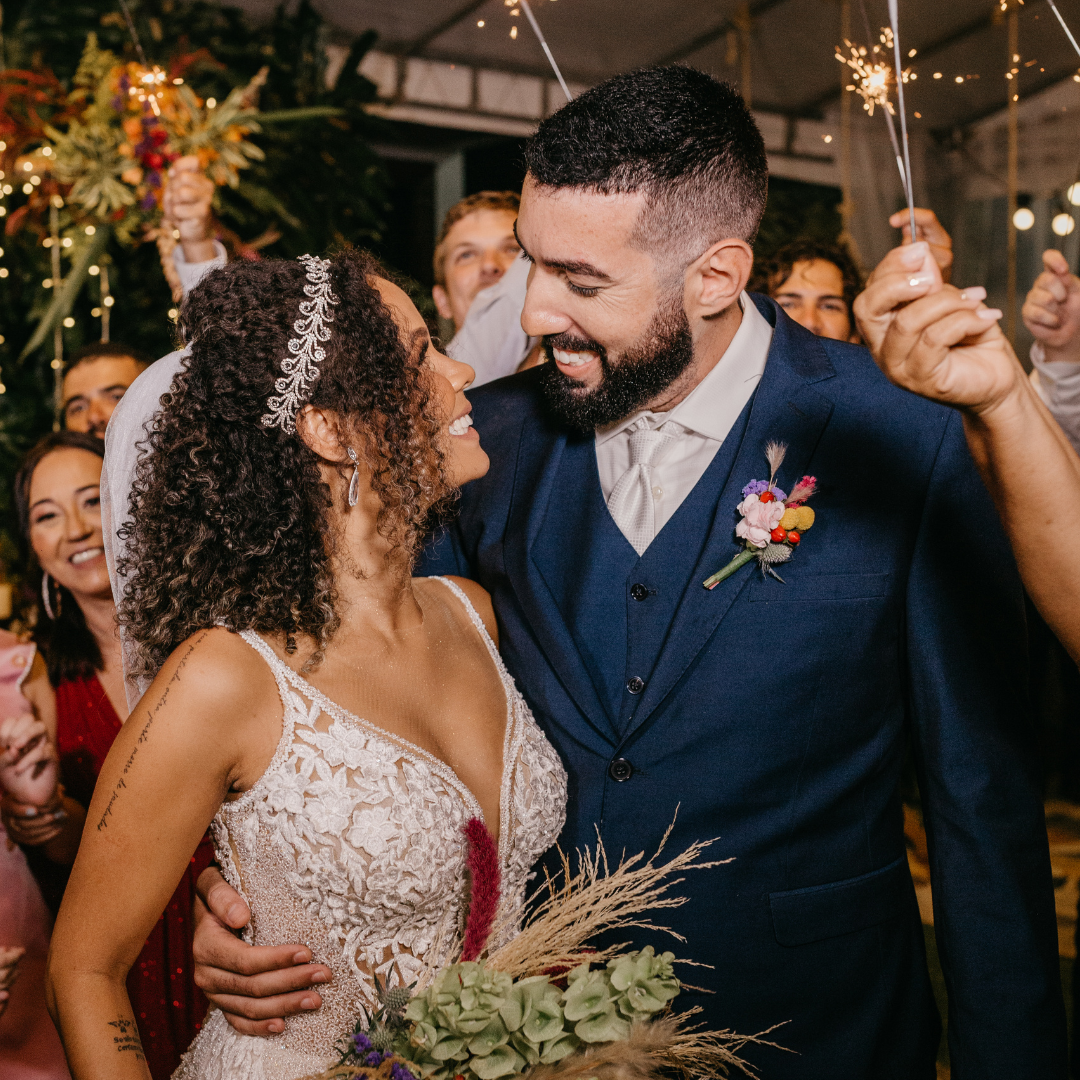
Weddings are known to be different from everyday events. The excitement of the day, the changes in schedule, the food and drink to celebrate the special event can affect blood sugar levels.
The good news? With a little planning and awareness, you can fully enjoy the celebration while still taking care of your health.
Why Weddings Can Be Tricky for Diabetes
Weddings are different from everyday events. For people with diabetes, these differences can affect blood sugar levels. Long gaps between meals, rich foods, alcohol, and extra physical activity, like dancing, can all play a role – and with a little planning can all work into your special day. It simply means being prepared for a day that may feel less predictable than usual.
The Schedule May Not Be Predictable
One of the biggest challenges at weddings is timing. Ceremonies may run late, cocktail hours can stretch longer than planned, and dinner may be served later than expected.
If you are the bride or groom, you do have some control of the events. If possible in the budget it is helpful to have a wedding planner take off some of the stress of the day and help to keep things on schedule. When making the menu for cocktail hour, include snacks that allow carbohydrate foods you know the carbohydrate count for and some low carbohydrate options, as well.
The excitement of the day can impact appetite and just remembering to eat. Certain medications taking for managing blood sugar levels require eating after taking or low blood sugar levels will occur. Keeping schedules and creating a “supply box” can help with the day. Make someone in charge of the “supply box” throughout the day so easy to get handed a small snack, like protein bars, crackers and cheese, as well as low carbohydrate snacks like jerky or raw vegetables.
It’s also a good idea to check your blood sugar more often than you normally would. The combination of excitement, social activity, and changing schedules can affect how your body responds throughout the day.
Navigating the Menu: From Cocktail Hour to Dessert
Wedding menus are often rich and celebratory. During cocktail hour you may see appetizers like fried foods, mini sandwiches, or pastries. Dinner might include creamy sauces, bread baskets, or large portions. And of course, there’s usually cake or other desserts. When creating the wedding menus request nutrition information, if possible and include information in small font on placement cards, for self and also others attending wedding celebration that may benefit. When creating the wedding menus request nutrition information, if possible and include information in small font on placement cards, for self and also others attending wedding celebration that may benefit.
You don’t have to avoid these foods completely. Instead, focus on balance. Most menus will start with a salad or low carbohydrate choices and then progress to a protein source and carbohydrate source, like potatoes, pasta or rice. Being aware of portion sizes will help in managing blood sugar levels. Desserts can be worked into the evening, especially with increased activity from dancing and visiting with family and friends.
Alcohol and Blood Sugar
Alcohol is common at weddings, whether during cocktail hours, dinner, or a champagne toast. For people with diabetes, alcohol can affect blood sugar in different ways. Some drinks can raise blood sugar, while others may cause it to drop later.
If you plan to drink, try to do so with food rather than on an empty stomach. Sip slowly and consider alternating alcoholic drinks with water. This helps prevent dehydration and gives your body time to adjust.
It’s also wise to monitor your blood sugar more closely if you drink alcohol during the event. Keeping a “diabetes kit” accessible with fast acting carbohydrate source, in case a low blood sugar does occur.
Dancing, Walking, and Staying Active
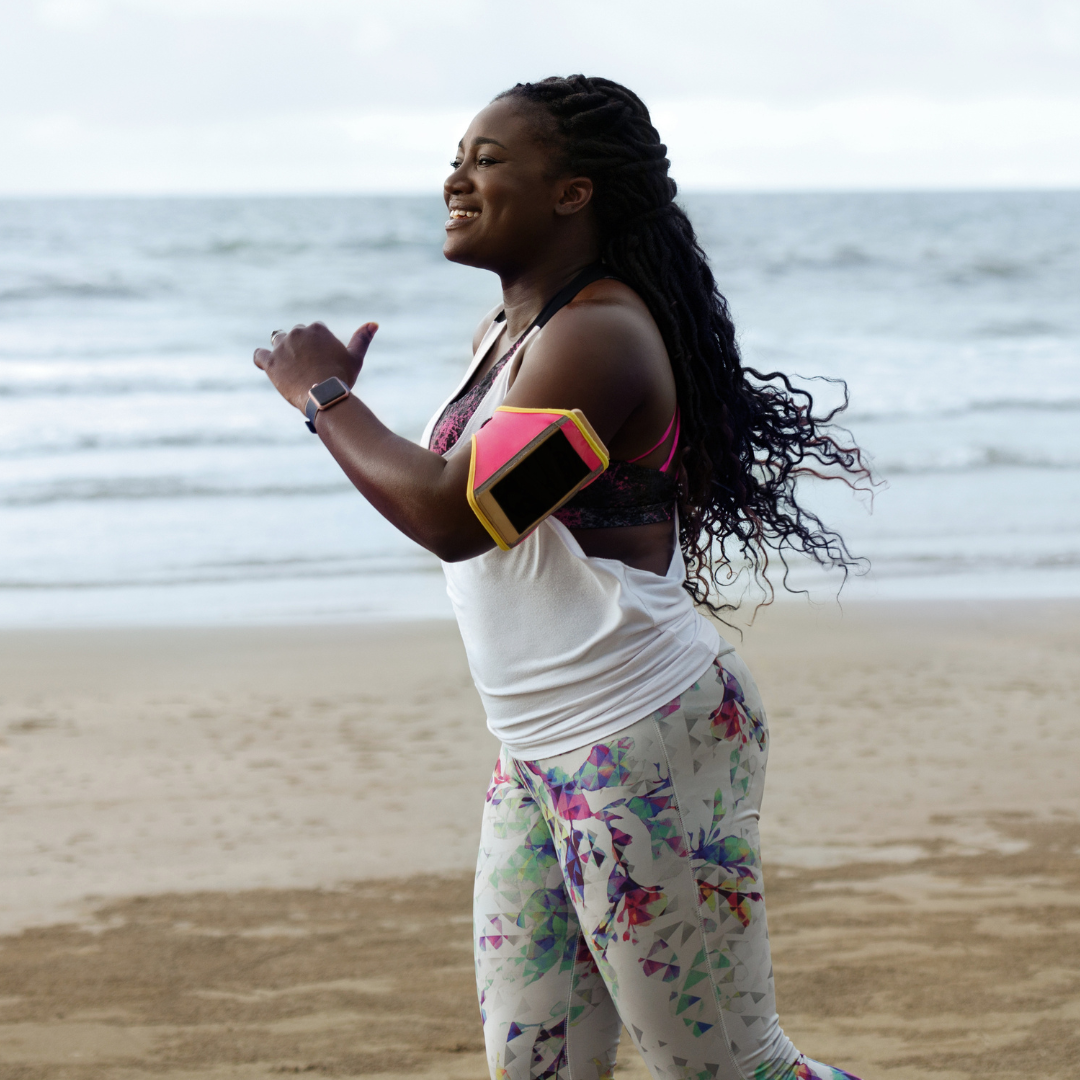
Weddings often involve more movement than you might expect. Between walking around the venue, standing during the ceremony, and dancing at the reception, you may be more active than usual. One of the best part of weddings is the visiting with family and friends, often dancing is happening. Being on your feet, more than usual, can cause blood sugar levels to go low.
Physical activity can lower blood sugar levels. If you’re planning to spend time on the dance floor, check your levels before, during and after the evening events. Having planned beverages or snacks for treating low blood glucose levels, keeps things simple to manage.
Helpful Tips for a Smooth Wedding Day
Whether you are the bride or groom getting married or just attending the wedding some helpful tips can make the event less stressful.
Pack a small diabetes kit. Bring your glucose meter for back up and cgm supplies, pump supplies in case of pump site change needed, insulin and fast acting glucose source, like glucose tablets.
Eat before you go. Having a balanced meal before the ceremony can help stabilize your blood sugar in case food is delayed.
Tell someone you trust. Chances are if you are in the wedding party, you have friends or family around, who are aware that you live with diabetes. If you are attending a wedding, let a friend, partner or family know that you live with diabetes, in case you need support or need to step away for a moment.
Listen to your body. If you feel tired, shaky, or off, take a moment to check your blood sugar levels and take care of yourself.
Enjoy the Celebration
Living with diabetes doesn’t mean missing out on life’s special moments. Weddings are a celebration, about connection and joy. Living with diabetes does require some pre event planning, but with a little preparation, you can focus on what matters the most! When the music starts and the dance floor fills up, do not be afraid to join. This day is meant to be enjoyed!
Author: Janet Dominowski, MS, RDN, CDCES/CCS Health
This site is for educational purposes only. Talk to your doctor or healthcare provider before making any decisions about your health.