
Diabetes and Complications
CCS EDUCATION | 5 MIN READ
why worry?
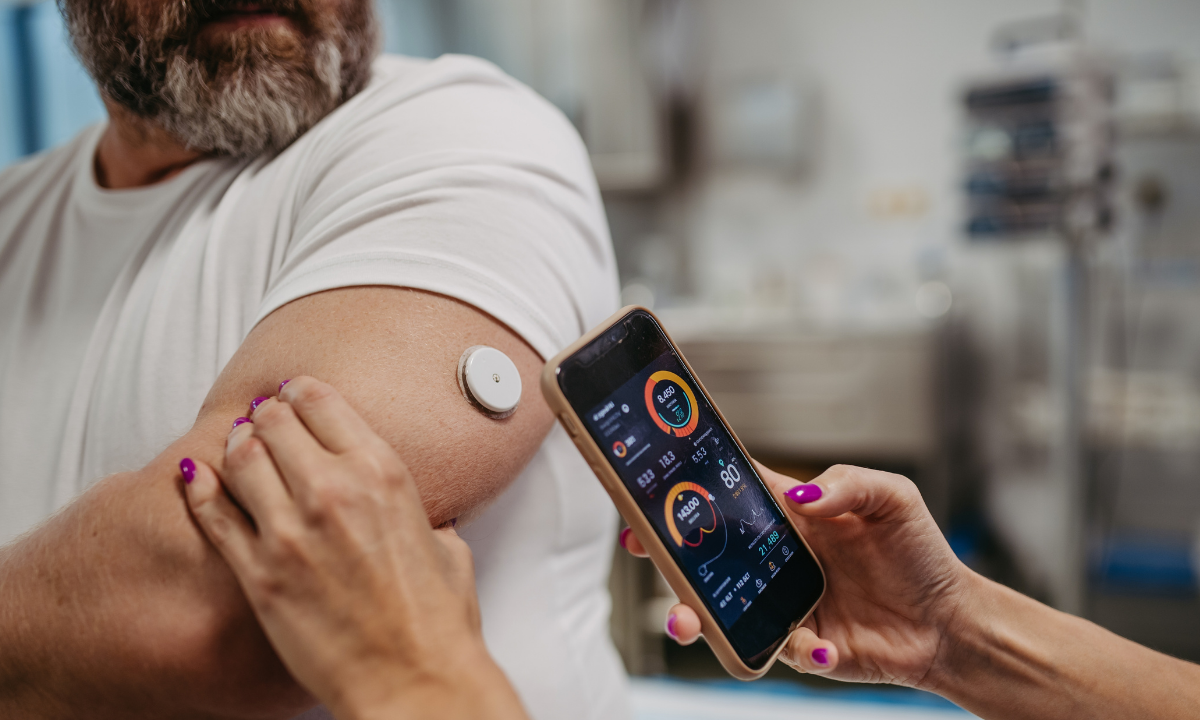
High glucose levels can cause serious complications. Complications can begin even before you know you have diabetes. High levels of glucose damage the small vessels of the eyes, kidneys and nerves, and the large vessels that lead to the heart, head, arms and legs. Oxygen and other nutrients cannot reach these areas, which can lead to long-term damage of the veins and arteries. High blood pressure and smoking can also add to this damage.
You can prevent or delay complications by managing your glucose.
| Complication | Problems |
|---|---|
| Heart & Blood Vessel Disease (Cardiovascular Disease) | Heart attack Stroke Decreased blood flow in legs and arms High blood lipids (fats) High blood pressure |
| Nerve Disease (Neuropathy) | Burning, tingling, numbness in legs, feets & hands Heart burn Stomach pain Diarrhea Urinary tract infection Sexual problems Gastroparesis |
| Kidney Disease (Nephropathy) | End-stage renal disease Dialysis |
| Eye Disease (Retinopathy) | Cataracts Blindness |
| Dental Disease | Gum infections |
Cardiovascular disease – heart attack or stroke
Atherosclerosis, or hardening of the arteries, is the most common cause of heart disease in a person with diabetes. It begins with damage to the inner wall of the arteries. Cholesterol (plaque) builds up on the blood vessel walls and can break off. When the plaque breaks off, a clot can form in the blood stream. This blocks blood flow, which can prevent oxygen from getting to the heart or brain. This can lead to a heart attack or stroke. The symptoms of heart attack or stroke require immediate emergency medical care. Early treatment of these symptoms is vital.
| WARNING SIGNS OF A STROKE |
| Numbness or weakness in the face, arm or leg, especially on one side of the body Confusion, trouble speaking or understanding Trouble seeing in one or both eyes Trouble walking, dizziness, loss of balance or coordination Severe headache with no known cause |
| WARNING SIGNS OF A HEART ATTACK |
| Chest discomfort Discomfort in other area of the upper body (jaw, neck, back, one or both arms, stomach) Shortness of breath Other signs can be cold sweats, light-headedness or nausea |
complications

Peripheral Vascular Disease (PVD) or Decreased Blood Flow
PVD occurs in the blood vessels in the legs or arms when there is a lack of blood flow through these vessels. It may cause the legs to hurt or feel numb. Wounds may not heal as quickly. This can lead to infection and tissue death.

Hyperlipidemia
Hyperlipidemia means “high lipids” or high fats in the blood.
The liver produces these fats. They also come from the food
we eat. The American Diabetes Association recommends
that adults with diabetes have a blood lipid check done at
least annually.

Nerve Disease (Neuropathy)
Damage to nerve cells is called neuropathy. Damaged nerve endings can no longer send messages through the body normally. Nerve damage can happen slowly and may not be noticed early. Signs of nerve damage are numbness or tingling, pain and burning, and loss of feeling. Because you are unable to feel heat or pain, you can injure yourself without realizing it.

Kidney (Nephropathy)
Blood is filtered by the kidneys. They keep the nutrients the body needs in the blood and they get rid of waste products and water through the urine. High glucose can damage the small blood vessels of the kidney, which prevents them from filtering the blood normally. When this happens, waste products and protein build up in the blood. Usually there are no symptoms until the disease has progressed. Blood and urine lab checks done on a annual basis are the best way to see if your kidneys are having problems. Early detection and treatment can prevent or slow down kidney disease.

Sexual Complications
Men and women with diabetes can have sexual problems. Physical problems that can affect both men and woman are poor bladder control and urinary tract infections. Sexual activity may also be difficult when there is nerve damage to a limb, a missing limb or joint disease. If you have high glucose, you may be too tired for sexual activity.
Women:
Vaginal dryness, which is a result of nerve damage, may affect women with diabetes. Over-the-counter
lubricants may help. Vaginal infections may cause pain and discomfort, which can make sexual
intercourse difficult or painful. This is more frequent when glucose levels are high. Talk with your
healthcare provider about any of these problems.
Men:
Erectile dysfunction can occur in men when glucose levels are poorly controlled. This condition is
caused by damaged nerves and/or blood vessels in the penis. Another problem occurs when the
discharge of the semen is backed up into the urinary bladder, which prevents climax. There are many
treatments available from your healthcare provider.
Eyes (Retinopathy)
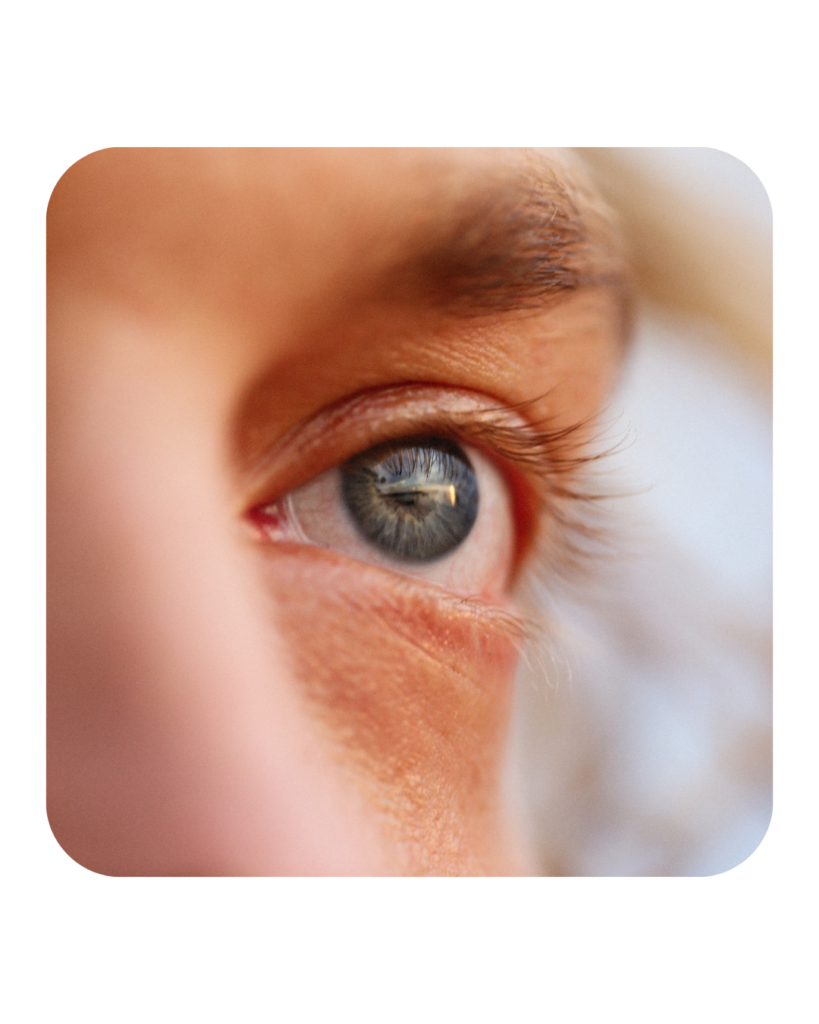
Eye disease occurs when weak spots develop in the walls of the tiny blood vessels in your eyes. This causes the vessels to leak, swell or break. There is no pain, but your vision can become very limited or blurred. Another problem that can occur is cataracts. This is caused by a build-up of glucose in the lens of the eye, resulting in swelling and clouding. Annual eye exams are important to protect your eyesight. Treatment at an early stage can often prevent severe visual loss and blindness.
Diabetes Care, Volume 44, Supplement 1, January 2021, S130. Accessed 03/2021.
This site is for educational purposes only. Talk to your doctor or healthcare provider before making any decisions about your health.
RESOURCES

CCS Diabetes Guide
Blood Sugar Bookmark
Healthy Snack Ideas

Counting Carbs

CCS Diabetes Guide (Spanish)
Blood Sugar Bookmark (Spanish)

Healthy Snack Ideas (Spanish)
Counting Carbs (Spanish)