
Getting Started On An Activity Program and Helpful Tips
CCS EDUCATION | 5 MIN READ

GETTING STARTED ON AN ACTIVITY PROGRAM
Before starting an activity program, check with your healthcare provider.
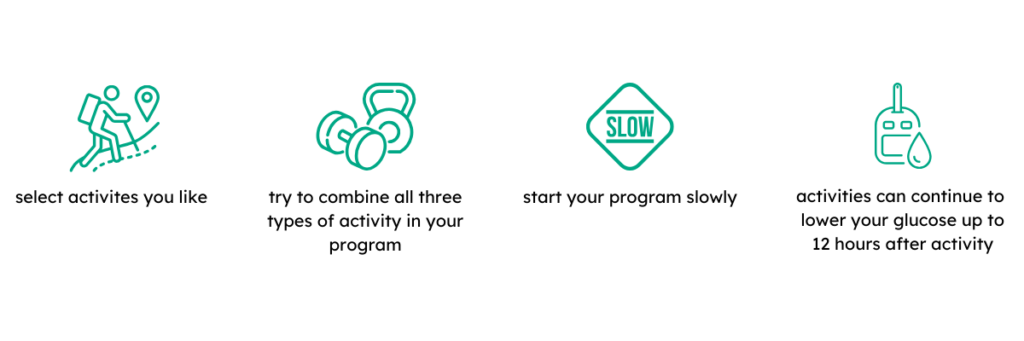
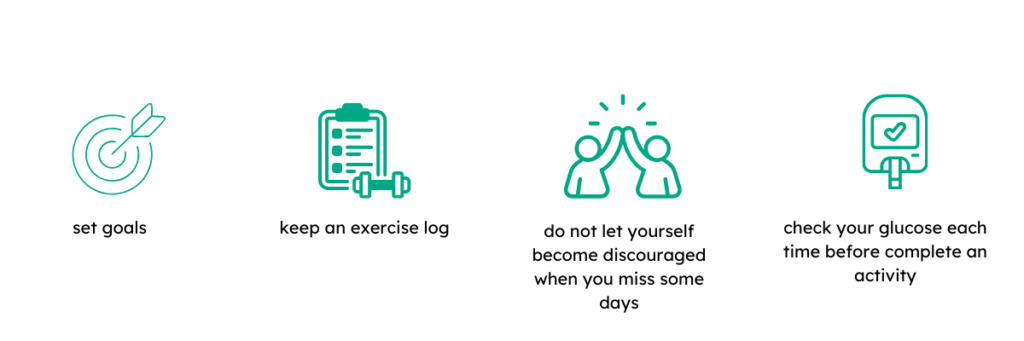
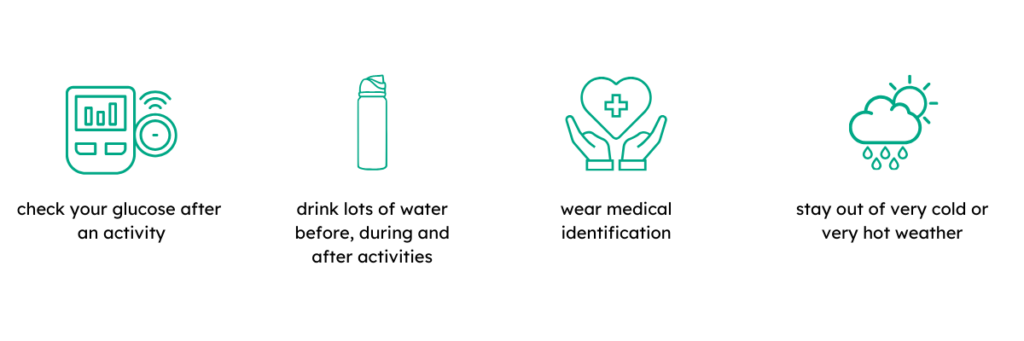
ACTIVITY TIPS
If you have foot problems:
- Wear shoes that fit well and soft socks
- Use insoles for more cushioning
- If you do not have feeling in your feet or you have severe foot problems, try swimming, biking, chair activities, arm activities, and rowing
- Use insoles for more cushioning
- Check your feet before and after activities
If you have severe eye problems, avoid vigorous-intensity aerobic or resistance activities such as:
- Weight lifting
- Jogging
- High-impact dance classes
- Racquet sport
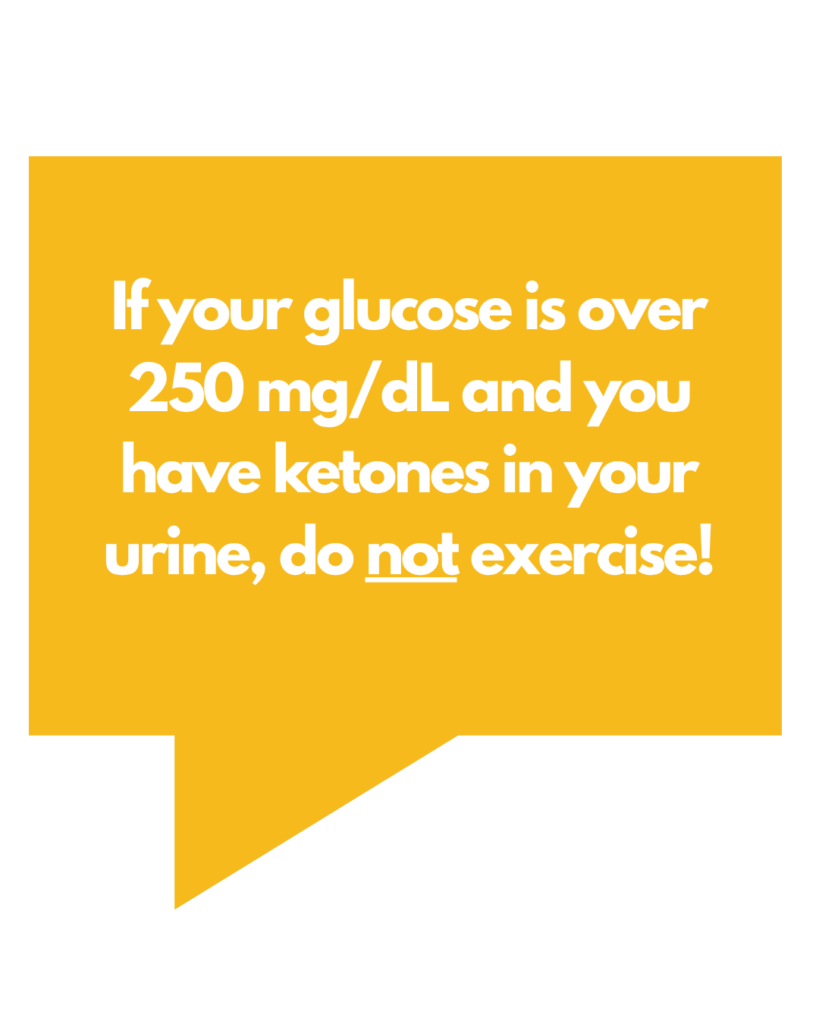
You should consult with your healthcare provider before restarting any activity. Wait until your blood sugar is
lower and the ketones go away.
This site is for educational purposes only. Talk to your doctor or healthcare provider before making any decisions about your health.
RESOURCES

Counting Carbs

Diabetes Guide
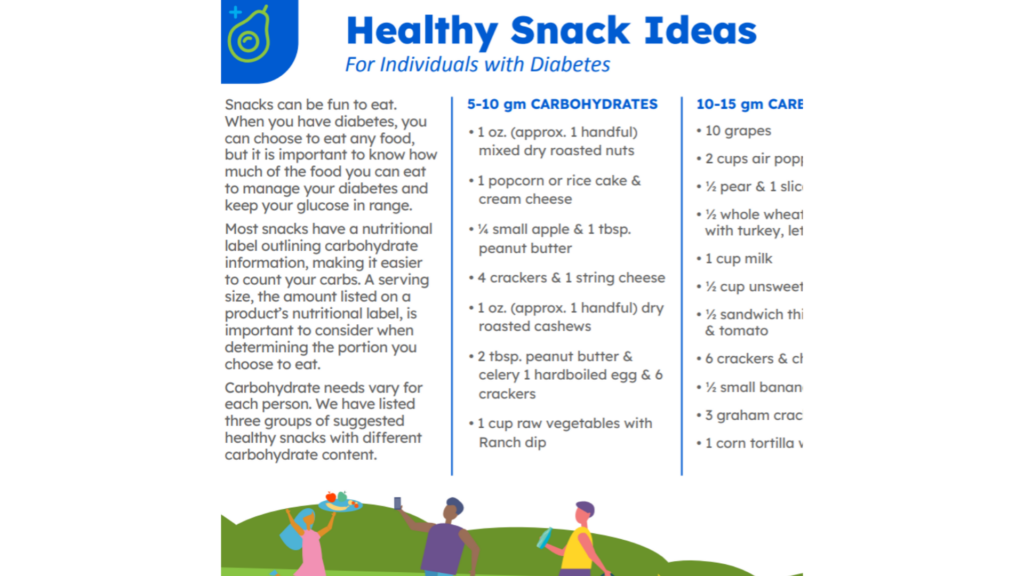
Healthy Snacks

Building A Healthy Meal
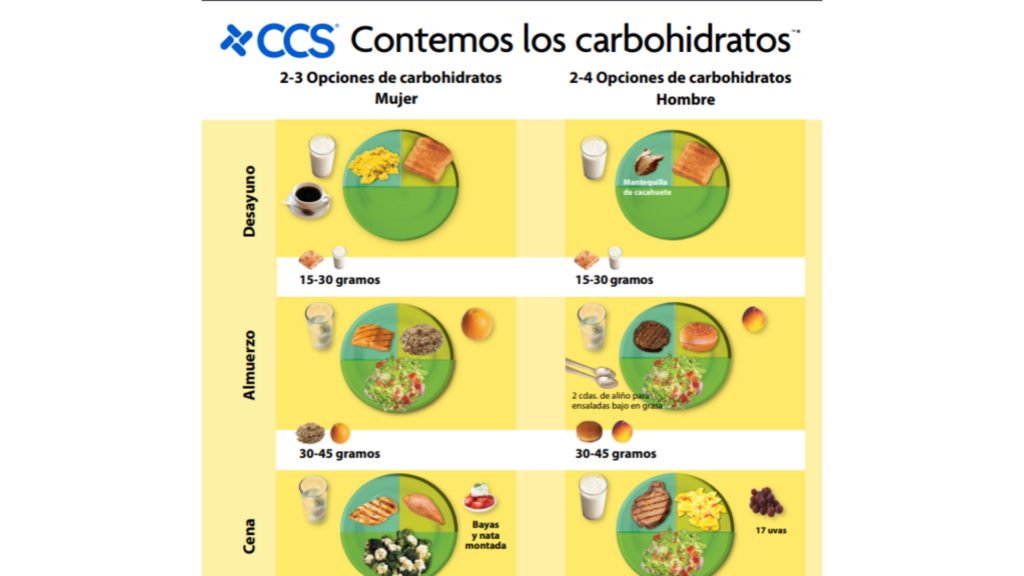
Counting Carbs (Spanish)

Diabetes Guide (Spanish)

Healthy Snacks (Spanish)