Staying on Track: Managing Diabetes While Hitting the Slopes (and other winter sports)
When the snow starts falling, it’s tempting to hit the slopes or lace up your skates. Winter sports like skiing, snowboarding, ice skating and snowshoeing are great workouts. When living with diabetes—especially if you take insulin to manage blood sugar levels—cold weather can bring unique challenges. With a little planning, you can stay safe and enjoy every run, glide, and climb.
Cold Weather and Blood Sugar
Cold temperatures can affect how your body uses insulin and how your blood sugar responds to activity. In cold weather, the body slows its energy use to help maintain core temperature, and blood flow to the arms, legs, and skin decreases. Because of this, insulin injected into these areas may be absorbed more slowly than it would during warmer months.
To stay safe, check your blood glucose before, during, and after spending time outdoors. Exercise in any weather is encouraged, but it’s important to plan. Keep your continuous glucose monitor (CGM) or blood glucose meter close to your body, so it does not freeze or give inaccurate readings.
Remember that glucose meters, CGM readers/receivers, test strips, sensors, and insulin are temperature sensitive. Avoid leaving your glucose meter, CGM sensors or readers, insulin, or insulin pump in environments below 36°F or above 86°F for extended periods. If a meter has been exposed to the cold, let it return to room temperature before using it.
Skiing Smart with Diabetes
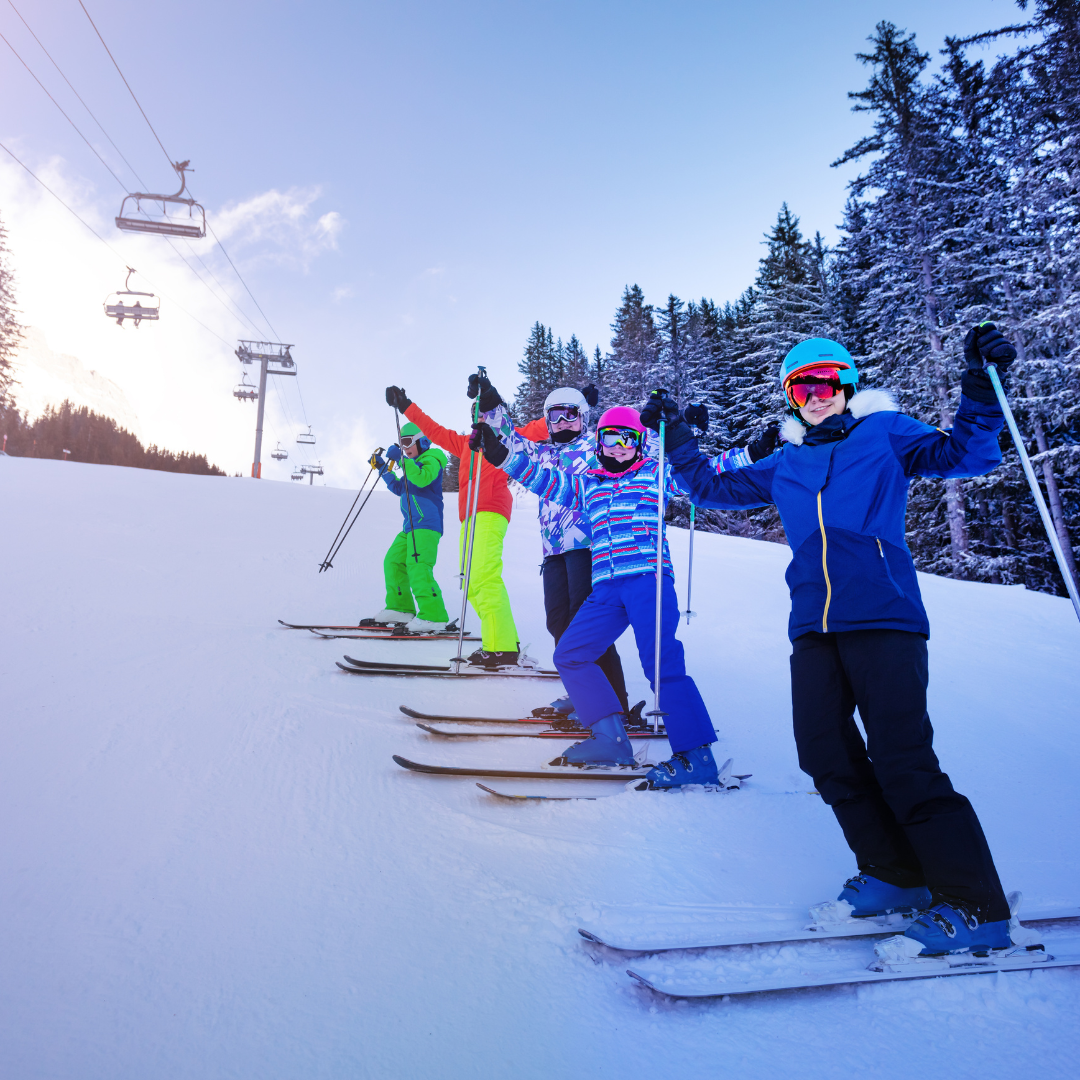
Downhill skiing combines bursts of intense activity with periods of rest, which can make blood sugar levels less predictable. Cross-country skiing is typically more sustained, so it’s important to carry extra snacks and supplies to treat low blood sugar, and to plan for possible adjustments to diabetes medications.
Here are some helpful tips to stay prepared and balanced on the slopes or trails:
Before skiing…
- Eat a healthy meal that includes carbs, protein, and fat for steady energy.
- Check your glucose and adjust insulin if needed (you may need less than usual).
- Layer your clothing so you can adjust easily and avoid overheating or getting too cold.
During skiing…
- Test or scan your glucose between runs or every 1–2 hours.
- Carry a small snack or fast-acting carb in a zip pocket for quick energy.
- Staying mindful of signs of low blood sugar such as shakiness, dizziness, or sudden fatigue can feel like “ski exhaustion,” so don’t ignore it.
- Take breaks as needed or plan them into your day.
After skiing…
- Keep checking your glucose for several hours. Delayed low blood sugar can occur up to 24 hours after physical activity. Eating foods that are harder to estimate for carbohydrate content can also affect your blood sugar levels.
- Refuel with a balanced snack or meal that includes protein and healthy carbs.
- Remember to stretch and hydrate! Recovery helps your body reset and maintain stable blood sugar.
Protect Your Supplies
Insulin and testing devices don’t like extreme temperatures. Keep insulin in an inside pocket close to your skin to prevent freezing. Use insulated pouches for pens, pumps, and meters, and store backup supplies in a warm place like a locker in the lodge.
Other Winter Sports to Enjoy
If skiing isn’t your thing, winter still offers plenty of activity options. It’s important to remember that some winter sports can be intense or exciting. It’s not uncommon for blood sugar levels to rise during activity and then drop later. Work with your healthcare provider to find the best strategies for managing these ups and downs.
- Snowboarding. Similar to skiing, keep snacks handy and take breaks to check your glucose.
- Ice Skating: Gliding for long periods can drop blood sugar quickly. Bring a small snack and plan breaks.
- Snowshoeing or Hiking. These steady-state workouts use a lot of energy, so remember to check glucose often and layer clothing to avoid sweating too much.
- Hockey or Group Sports. Keep your gear organized and your medical ID visible. Let teammates know how to help if needed. f you wear an insulin pump and play hockey, talk with your healthcare provider to create a game plan. If you disconnect your pump during games or practice, be sure to store it in a safe place or leave it with someone who understands how important it is to you.
Plan for Activity Changes
Skiing or snowboarding can cause blood sugar to drop quickly because they’re high-intensity workouts. If you’re cross-country skiing or snowshoeing, you may be active for hours at a steady pace, which is another reason to monitor levels frequently. If you’re skating, sledding, or playing hockey, take regular breaks to check your numbers and refuel as needed.
Bring a Buddy
Always tell your skiing or sports partner that you have diabetes and what to do in an emergency. Carry a medical ID or alert bracelet, and make sure your phone is fully charged in case you need help. If you use insulin, it’s recommended to have a form of glucagon, such as Baqsimi or GVOKE, available in case of severe low blood sugar. Carry a backup battery too since cold weather can sap battery life.
Quick Tips to Remember
- Check your blood sugar often, even if you feel fine.
- Keep insulin and meters at safe temperatures.
- Snack before and during activity.
- Stay hydrated.
- Have an emergency plan and fast-acting sugar on hand.
Keep the Joy in Winter
Managing diabetes in the cold takes preparation, but it shouldn’t stop you from enjoying the season. Staying active during the winter helps your body use insulin more effectively—whether you prefer outdoor adventures or indoor workouts. Regular activity not only keeps you moving year-round but also helps you become more confident in managing your blood sugar levels. Plus, getting some sunshine in the winter boosts your vitamin D, which plays an important role in overall health.
With smart habits and a little planning, you can safely carve turns, glide across the ice, or trek through snowy trails—and finish the day with a well-earned cup of cocoa (sugar-free, of course).
Author: Janet Dominowski, MS, RDN, CDCES | CCS Health
This site is for educational purposes only. Talk to your doctor or healthcare provider before making any decisions about your health.