Pickleball, Diabetes, and Staying Active This Summer
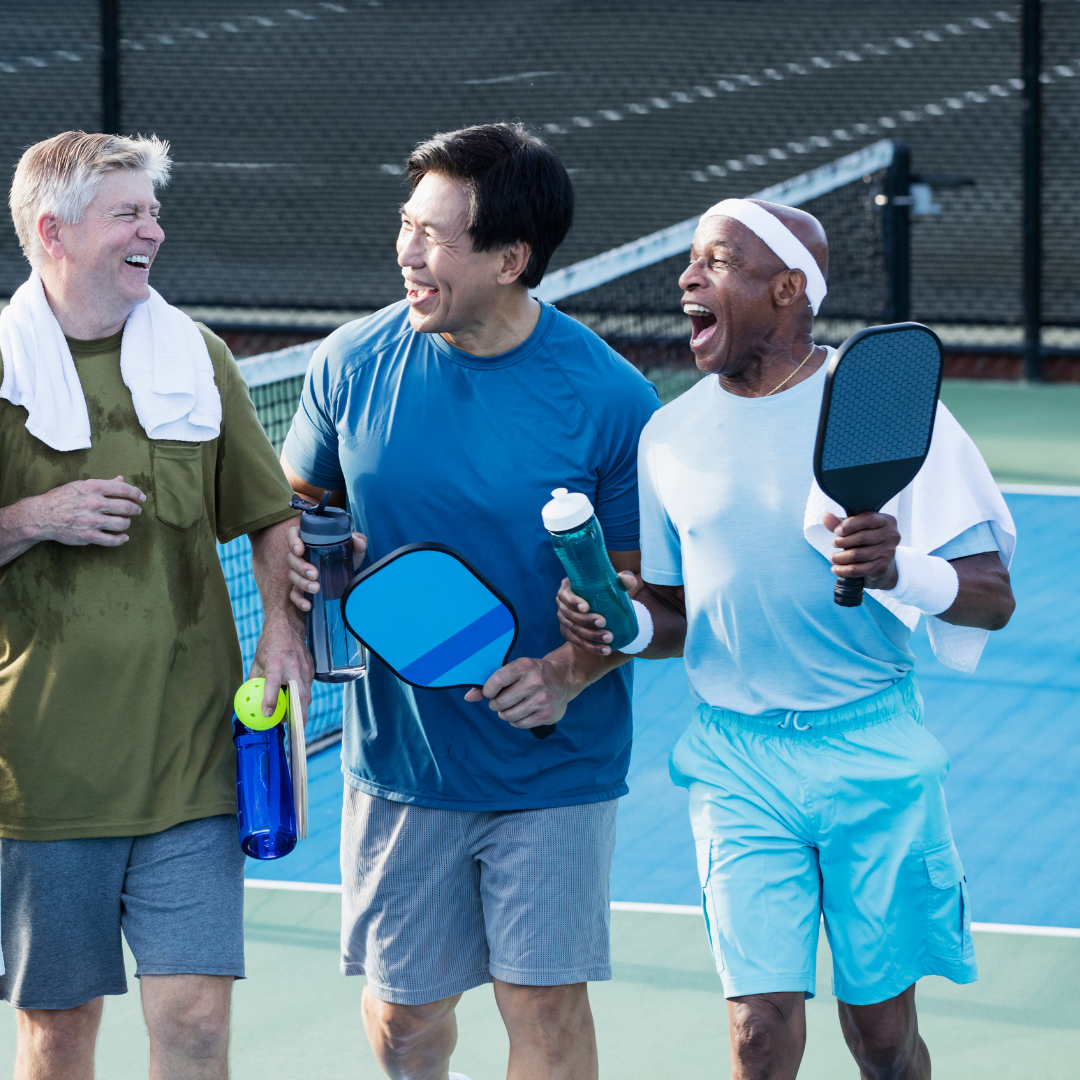
It feels like pickleball is everywhere right now! Neighborhood courts, gyms, parks, community centers, and even vacation resorts. What started as a casual backyard game has quickly become one of the fastest-growing sports in the United States. And honestly, it’s easy to see why. Pickleball is social, fun, beginner-friendly, and a great way to stay active. The best part? It requires minimal athletic background to start having fun.
Why Pickleball Works for So Many People
For many people, maintaining a consistent exercise routine can be challenging. Activities that are enjoyable and socially engaging are often easier to sustain over time—which is where pickleball shines. Regular movement helps support overall health, including blood sugar management, heart health, circulation, stress levels, and energy.
One of the biggest benefits of pickleball is that it combines movement with cardio activity. Cardio exercise helps muscles utilize glucose more efficiently which can help blood sugar control both during and after play. It also supports cardiovascular health, which is especially important because people living with diabetes may have a higher risk of heart-related complications.
The sport promotes agility, coordination, and balance, which are particularly important for older adults. Improved mobility can help reduce the risk of falls and support independent living.
Unlike high-impact sports, pickleball is often easier on the joints. The court is smaller than a tennis court, the paddle is lightweight, and games can be adjusted to different skill and fitness levels.
Many people enjoy pickleball because it offers:
- Light-to-moderate cardio exercise
- Social connection and community
- Improved balance and coordination
- A lower-pressure environment than competitive sports
- Outdoor time and sunshine
Safety Tips for Players with Diabetes
Even though pickleball can be a great activity, it is still important to plan ahead and listen to your body. Before starting any new exercise program, individuals with diabetes should consult their healthcare provider.
Watch Your Blood Sugar and check blood glucose levels before and after playing.
Exercise can sometimes lower blood sugar quickly and up to 24 hours after your workout, especially during longer or more competitive games. Some people may also experience blood sugar spikes from adrenaline or intense activity.
Before heading to the court, check your blood sugar. Bring a fast-acting source of carbohydrates, such as glucose tablets, fruit snacks or juice, in case of low blood sugar.
💡Tip: If you wear a CGM or insulin pump, make sure it is secure and protected during movement.
Stay Hydrated
Summer heat and outdoor activity can increase the risk of dehydration, which may affect blood sugar levels and energy. Bring plenty of water and take breaks when needed. If you start feeling dizzy, shaky, weak, or unusually tired, stop and check your blood sugar.
Protect Your Feet
Quick side-to-side movement can lead to blisters or sore feet if you are not wearing supportive shoes. Choose athletic shoes with good support and moisture-wicking socks. After playing, check your feet for any redness, irritation, or blisters — especially if you have neuropathy or reduced feeling in your feet.
Ease Into It
It can be tempting to jump right into long games, especially when everyone around you is having fun. But there is nothing wrong with starting slowly. Warm up before playing, stretch before and afterward, and allow your body time to adjust to the activity level. Even short games count as movement.
If Pickleball Is Not Your Thing, That’s Okay
Not every activity works for every person, and that is completely normal. The good news is there are plenty of other fun summer activities that can help you stay active while supporting your health.
Here are a few lower-impact alternatives:
- Walking with friends
- Water aerobics
- Swimming
- Bike riding
- Yoga in the park
- Casual tennis or badminton
- Outdoor group fitness classes
The goal is not to become a professional athlete. The goal is to find movement you genuinely enjoy and can stick with consistently.
Movement Should Feel Fun
Sometimes exercise gets framed as something you “have” to do, especially when living with diabetes. But activities like pickleball can help shift that mindset for patients looking for an enjoyable way to stay active, pickleball may be the perfect activity.
Moving your body can also mean laughing with friends, getting outside, trying something new, and enjoying summer a little more.
Whether you become the next pickleball champion or just playing a casual game with friends, every bit of movement counts towards your health.
Author: Kelley Soucy, RN, CDCES | CCS Health
This site is for educational purposes only. Talk to your doctor or healthcare provider before making any decisions about your health.