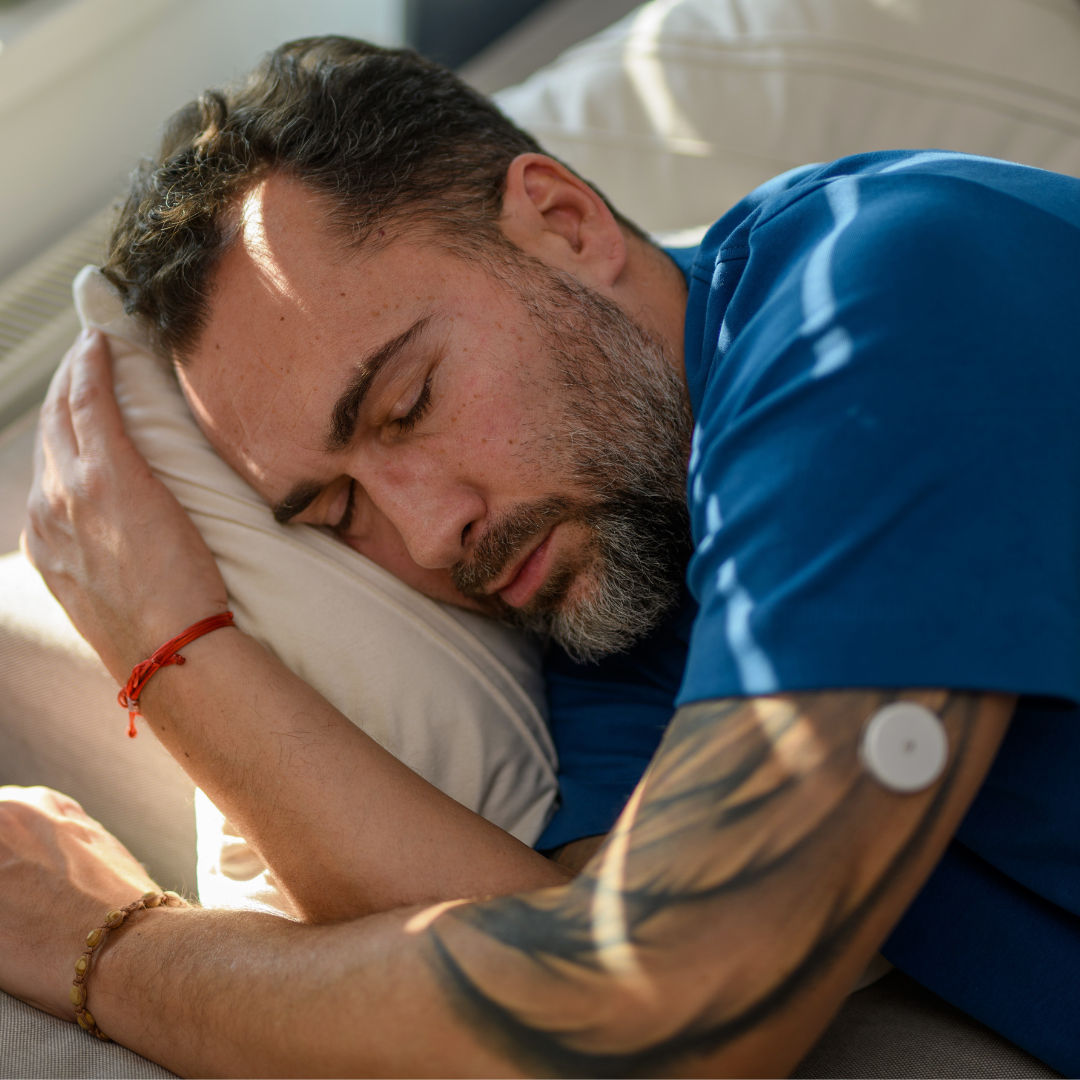
Air Travel Tips for People Living with Diabetes
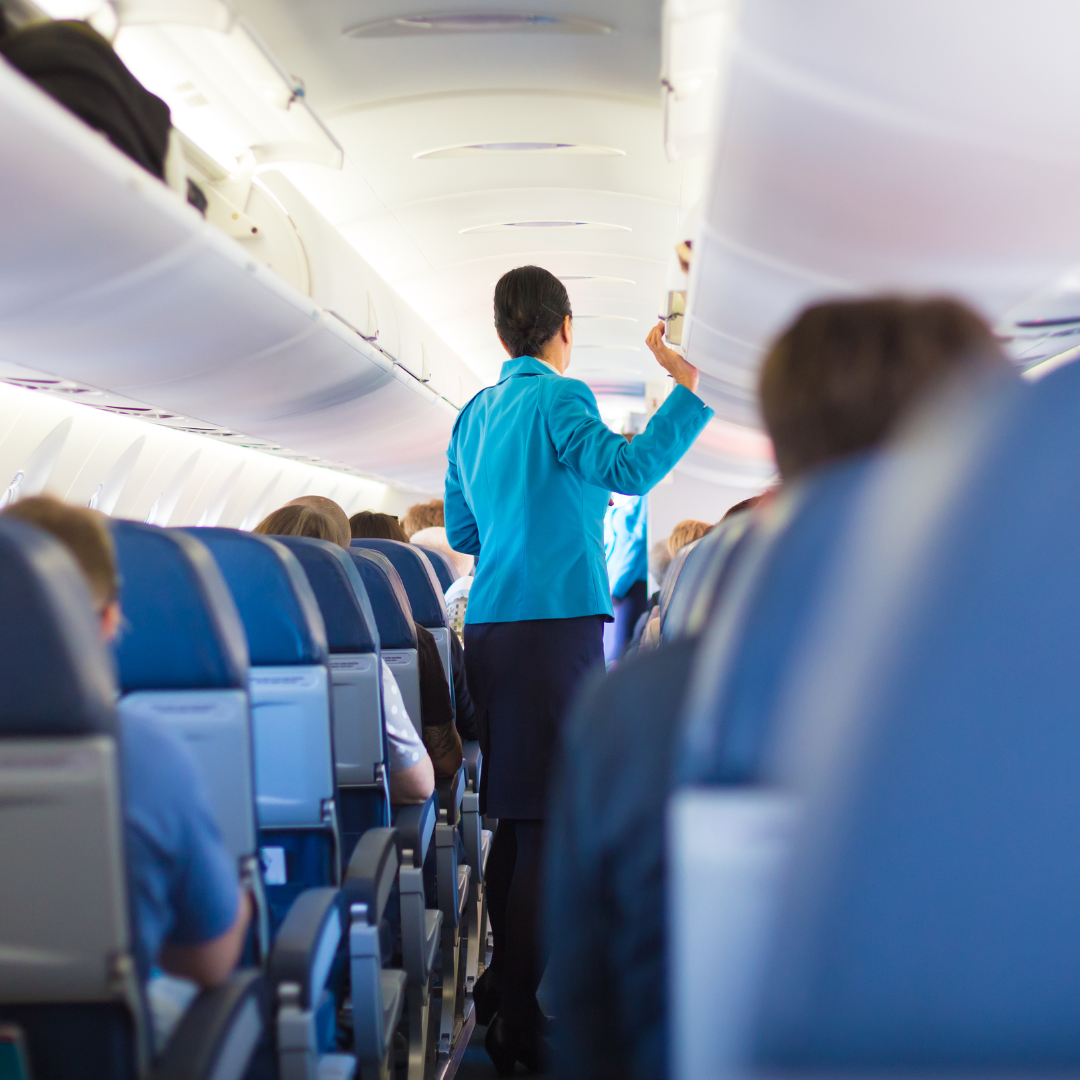
Air travel can be exciting whether you’re heading out for a vacation, visiting family, or traveling for work. For people living with diabetes, however, flying often requires a little extra planning. Changes in routine, long travel days, airport security, and time spent in the air can all affect blood glucose management.
The good news is that with some preparation, flying with diabetes can be safe, comfortable, and stress-free. Let’s get you prepped and ready for a safe flight!
Start Planning Before You Leave Home
One of the best things you can do before any trip is give yourself extra time. Air travel can be unpredictable. Security lines may be longer than expected, gates can change, and flights may be delayed.
Make sure you pack more supplies than you think you’ll need, especially if you use insulin or a continuous glucose monitor (CGM). Delays happen, and having extra supplies can provide peace of mind. It’s also a good idea to keep all diabetes supplies in your carry-on bag rather than checked luggage. Checked bags can get lost, delayed, or exposed to extreme temperatures that may damage medications.
Before leaving for the airport, make sure your devices are fully charged and that you have easy access to snacks, glucose tablets, and water.
Give Yourself Plenty of Time at the Airport
Rushing through an airport can create unnecessary stress, and stress can affect blood sugar levels. Arriving early allows you to move through security at a comfortable pace and gives you time to check your blood sugar if needed.
If you wear an insulin pump or CGM, let the Transportation Security Administration (TSA) officer know before screening begins. Most people with diabetes move through security without issues, but it can be helpful to be prepared and know your options if additional screening is needed.
Choosing the Right Seat
Where you sit on the plane can make a difference during a long flight. Many people living with diabetes prefer an aisle seat because it makes it easier to get up, stretch, use the restroom, and access items stored under the seat. Being able to move around is especially helpful on longer flights since sitting for extended periods can impact circulation.
No matter where you sit, keep your diabetes supplies close by. Avoid placing important medications, insulin, or glucose treatments in the overhead bin where they may be difficult to reach if you need them quickly.
Consider Early Boarding
Some airlines may allow travelers with medical needs to board early. While policies vary, early boarding can provide extra time to get settled, organize supplies, and store belongings without feeling rushed. If early boarding is available, it can be a simple way to reduce stress before takeoff.
Don’t Be Afraid to Speak Up
Flight attendants are trained to help passengers during emergencies. While you don’t need to provide a detailed medical history, it can be helpful to let a flight attendant know if you have diabetes, especially on longer flights or if you’ve recently experienced blood sugar fluctuations.
If you begin feeling symptoms of low blood sugar, notify a flight attendant right away. They may be able to assist you while treating your symptoms.
Stay Hydrated During Your Flight
Airplane cabins tend to be very dry, which can increase the risk of dehydration. Dehydration can affect blood sugar levels and may make you feel more tired during travel.
Try to drink water before, during, and after your flight. While it can be tempting to consume coffee, soda, or alcoholic beverages while traveling, these drinks may contribute to dehydration for some people.
Keeping a refillable water bottle with you can make staying hydrated much easier.
Keep Snacks Within Reach
Flight delays, turbulence, and changing meal schedules can make travel days unpredictable. Even if your airline offers snacks, it’s always a good idea to bring your own.
Having a combination of quick-acting carbohydrates and longer-lasting snacks that is non perishable and contains protein can help you manage unexpected low glucose levels between meals. Keeping these items within easy reach allows you to respond quickly if your blood sugar begins to drop.
Watch for Changes in Your Blood Sugar
Travel days often look very different from normal days. You may be waking up earlier, walking more through airports, eating at unusual times, or sitting for long periods.
All of these factors can affect blood glucose levels. Checking your blood glucose more frequently, or paying close attention to CGM readings, can help you spot trends before they become problems.
If you’re crossing time zones, talk with your healthcare team before your trip if you have questions about adjusting insulin schedules.
Buckle Up & Enjoy the Flight
Living with diabetes should not stop you from exploring new places and making memories. A little preparation can go a long way toward helping you feel confident while traveling.
By giving yourself extra time, keeping supplies close, staying hydrated, and monitoring your blood glucose throughout the day, you can focus less on travel stress and more on enjoying your destination.
Safe travels!
Author: Samantha Poe
This site is for educational purposes only. Talk to your doctor or healthcare provider before making any decisions about your health.