Nicotine in a New Era: What It Means for People Living With Diabetes
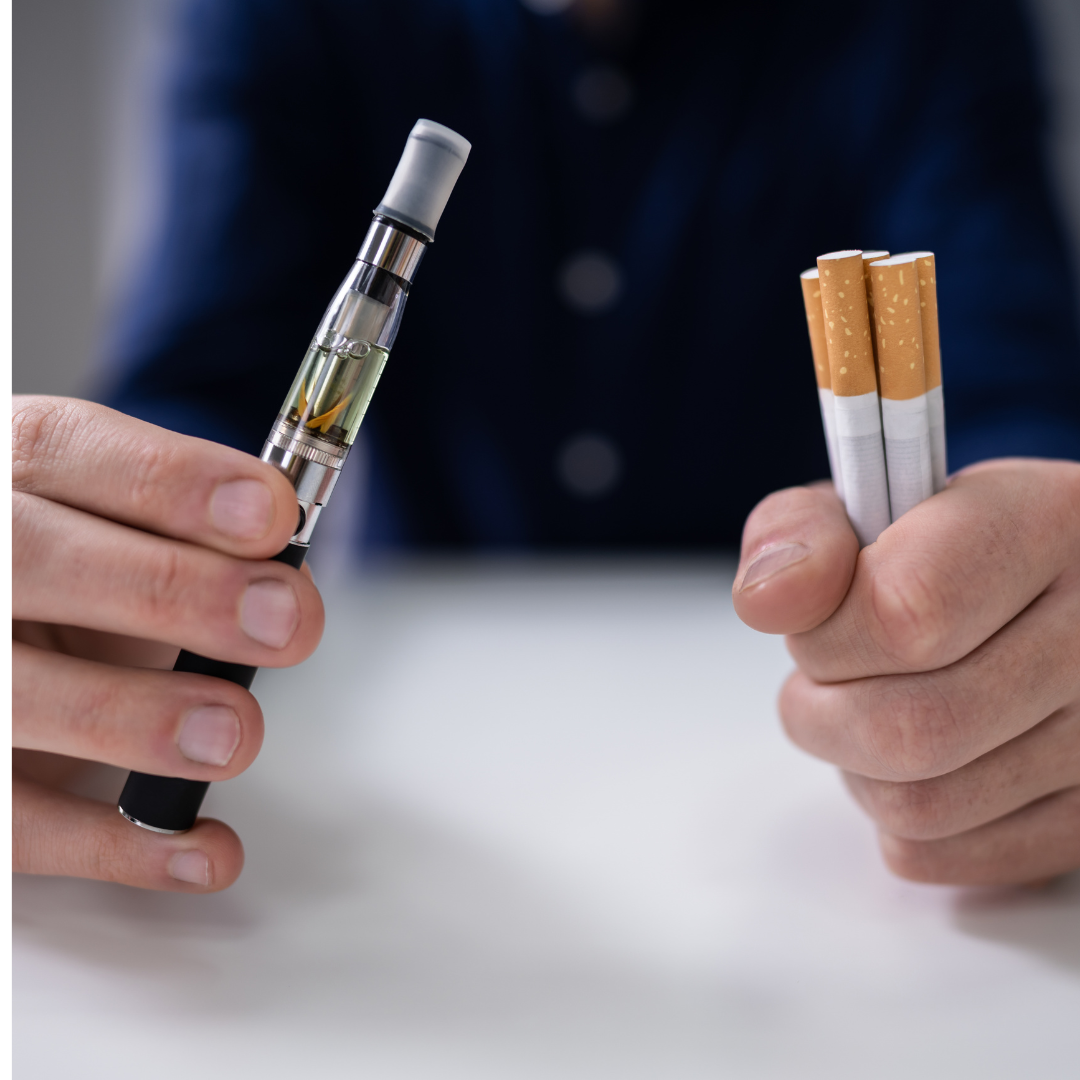
Nicotine is no longer just about cigarettes. Today, it shows up in many forms, from vapes to gum to patches. While these products may look different, nicotine still affects the body in important ways, especially for people living with diabetes. Let’s break down what nicotine is, how it has changed over time, and why it matters for diabetes care.
What Is Nicotine?
Nicotine is a chemical found in tobacco plants. It is highly addictive and affects the brain and nervous system. Nicotine can make people feel more alert or calm for a short time, but it also raises heart rate and blood pressure. No matter how nicotine enters the body, it still has a lasting effect.
A Quick History of Nicotine Use
Traditional Cigarettes. For decades, cigarettes were the main way people consumed nicotine. Smoking delivers nicotine quickly to the brain, along with many harmful chemicals that damage the lungs, heart, and blood vessels.
The New Era. Today, nicotine use has expanded far beyond cigarettes. These newer products can make nicotine seem less harmful, but the body still reacts and there can be negative effects.
- Vapes and e-cigarettes. Battery-powered devices that heat liquid nicotine into vapor. Many people believe vaping is safer, but nicotine exposure is still present.
- Nicotine gum and lozenges. Often used to help people quit smoking, but sometimes used long-term.
- Nicotine patches. Worn on the skin to deliver steady nicotine throughout the day.
- Other smokeless products. Including pouches and dissolvable tablets.
How Nicotine Affects the Body (Without Diabetes)
In people not living with diabetes, nicotine can still cause stress on the body. Over time, nicotine can damage the heart and blood vessels, even without diabetes. Common effects include:
- Increased heart rate and blood pressure
- Narrowing of blood vessels
- Increased risk of heart disease and stroke
- Strong addiction that makes quitting difficult
How Nicotine Affects People Living With Diabetes
For people living with diabetes, nicotine can make daily management harder and increase long-term risks. Nicotine can:
- Make blood sugar harder to control
- Increase insulin resistance, meaning insulin does not work as well
- Raise the risk of heart disease, which is already higher in diabetes
- Slow blood flow, which can affect healing and circulation
- Increase the risk of nerve damage and kidney problems over time
What the Numbers Tell Us
- According to the CDC, people living with diabetes who use nicotine are 30–40% more likely to develop heart disease compared to those who do not use nicotine
- Smoking or regular nicotine use can make it harder to reach target A1C levels
- Nicotine use increases the risk of diabetes-related complications, including problems with circulation and vision
Vaping Still Delivers Nicotine
Many people believe vaping is safer than smoking. While it may reduce exposure to some chemicals found in cigarettes, vaping still delivers nicotine. For people living with diabetes, nicotine in any form can add extra strain to the body.
That means:
- Blood sugar effects still happen
- Addiction still develops
- Heart and blood vessel stress still exists
Nicotine Pouches Are No Better
Nicotine pouches, like Zyns, are small packets placed between the gum and lip. They do not contain tobacco leaf and do not create smoke or vapor. Because of this, many companies market them as a “cleaner” option compared to cigarettes or vapes.
While pouches may reduce exposure to certain toxins found in cigarettes, they still contain nicotine and that matters for all of the reasons we’ve detailed above.
While nicotine pouches may seem like a safer option, nicotine in any form still places stress on the body. For long-term health, reducing or quitting nicotine remains the safest choice especially if you are already living with diabetes.
Tips and Ways to Quit Nicotine
Quitting nicotine is not easy but it is possible, and having support makes a big difference. Helpful steps include:
- Talk to your doctor or diabetes care team. They can help you create a quit plan that fits your health needs.
- Use quit-support programs. Many states and health systems offer free counseling or quit lines.
- Try approved quit aids the right way. Nicotine patches or gum can help short-term when used with guidance.
- Use apps or text-based support tools. Daily reminders and encouragement can help during cravings.
- Lean on support. Family, friends, or support groups can help keep you accountable.
- Focus on progress, not perfection. Slips happen. What matters is getting back on track.
A Healthier Path Forward
The new era of nicotine may look different, but its effects on the body are still real, especially for people living with diabetes. Reducing or quitting nicotine can help improve blood sugar control, protect the heart, and lower the risk of long-term complications. If you are thinking about quitting, you do not have to do it alone. Support, education, and small steps can lead to meaningful change.
Author: Kelley Soucy, RN, CDCES | CCS Health
This site is for educational purposes only. Talk to your doctor or healthcare provider before making any decisions about your health.