Breaking Down the Thanksgiving Spread: A Diabetes-Friendly Guide

Thanksgiving is a holiday built around family, gratitude, and of course… food! But if you’re living with diabetes, the big feast can also bring some big challenges. The good news? With a little planning and smart choices, you can enjoy the holiday meal without sending your blood sugar on a roller-coaster ride.
Here’s everything you need to know to navigate the Thanksgiving spread like a pro.
Start Your Day Off Right
Don’t skip breakfast! Having a balanced morning meal with both protein and healthy carbohydrates can help keep your blood sugar steady and prevent you from arriving at the table overly hungry. When we show up starving, it’s much harder to make mindful choices or keep portions in check.
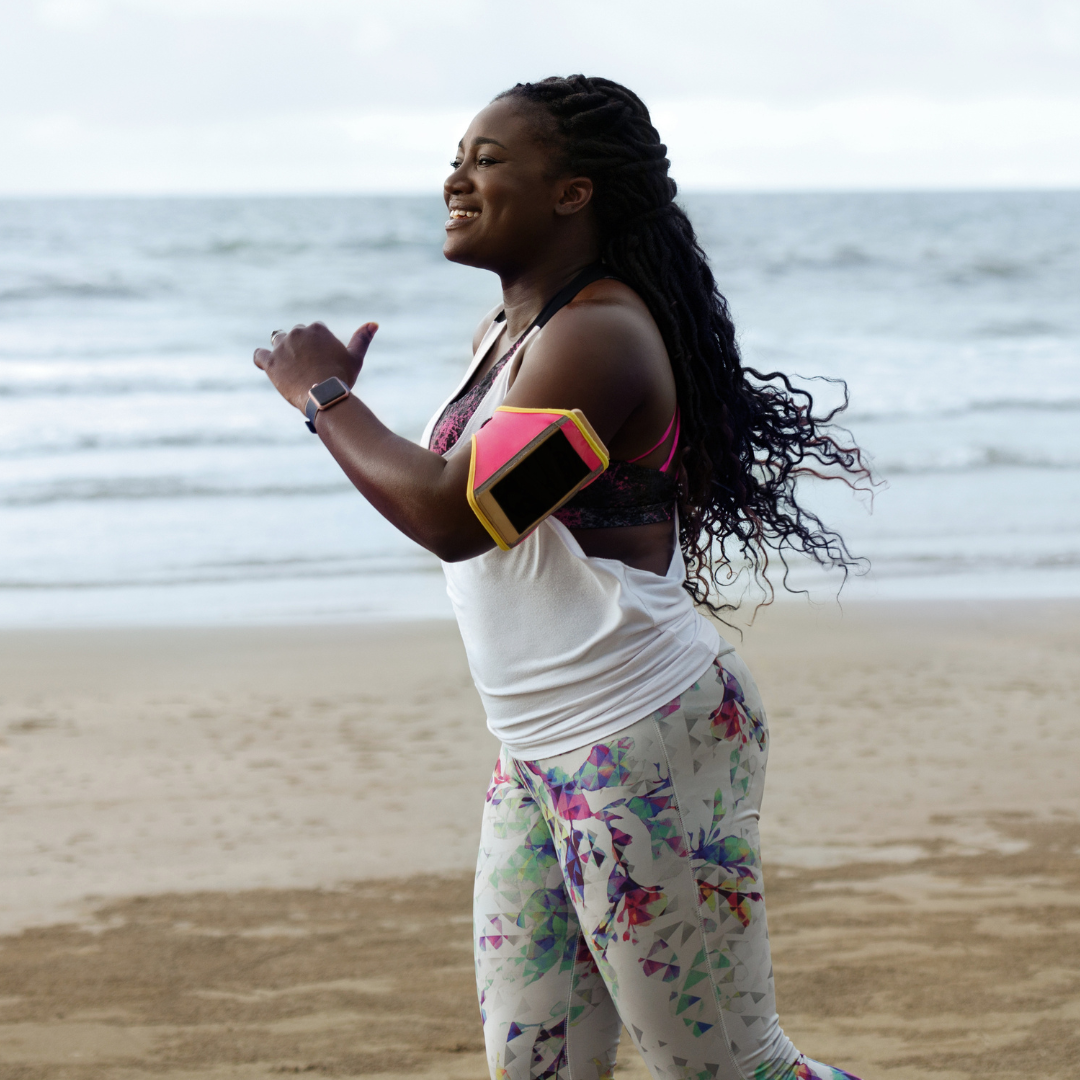
If you can, get some movement before or after the big meal. A morning walk, a quick workout, or even joining your family for a local Turkey Trot can make a big difference. Exercise not only helps manage stress—which can run high during the holidays—but also supports blood glucose control and helps balance those extra holiday calories.
The Main Event: Choosing Smart Proteins
The star of most Thanksgiving tables is the turkey. Luckily, that’s a win for people with diabetes! Turkey is lean, high in protein, and has no carbs.
Best choices:
- Roasted turkey (skinless). Keep it simple! Bake or roast your turkey without sugary glazes or heavy butter sauces. For extra flavor, try adding onions, scallions, apple slices, and spices—these enhance the taste naturally without adding extra sugar or unhealthy fats.
- Grilled chicken or salmon. Great options if you want something different.
- Vegan/Vegetarian Options: Tofu or protein-rich beans such as garbanzo, kidney, or black beans. The American Diabetes Association offers a variety of delicious vegetarian recipes if that’s your preference. A tofu loaf can also make a flavorful and satisfying addition to your Thanksgiving meal.
What to limit:
- Fried turkey. It adds unnecessary fat and calories. If you’re deep-frying your turkey, opt for healthier oils like canola or peanut oil, which can better withstand high heat. And remember to skip the skin—it’s high in saturated fat and adds unnecessary calories.
- Sugary glazes or sauces. Honey or brown sugar rubs can quickly add carbs. If you’re not the one preparing the food, it can be hard to know what ingredients were used—especially with hidden sauces, glazes, or added sugars. At large holiday gatherings, it may also feel uncomfortable to ask what’s in every dish. When in doubt, take smaller portions to be safe. And remember, getting some exercise or physical activity after the meal is a great way to help lower blood glucose levels naturally.
Pro tip: Focus on maintaining a reasonable portion size. Turkey is a great source of lean protein and typically won’t cause a spike in blood glucose levels. Aim for a serving of about three to four ounces—roughly the size of a deck of cards.
Sides That Support Blood Sugar Balance
Side dishes are where the carbs can pile up fast. Instead of loading your plate with every option, choose a few foods you know won’t cause your blood glucose levels to spike and that work best for your body.
Diabetes-friendly sides include:
- Roasted vegetables. Brussels sprouts, carrots or green beans tossed in olive oil, herbs and balsamic vinegar can add a boost.
- Cauliflower mash or Parsnip puree. A lower-carb alternative to mashed potatoes.
- Stuffing with whole-grain bread and veggies. Adds fiber to help slow down blood sugar spikes.
- Sweet potatoes (plain or lightly seasoned). Full of fiber and vitamins! Just remember to skip the marshmallows. Sweet potatoes offer several health benefits—they’re rich in beta carotene, vitamins A, B6, C, and E, and provide important minerals like potassium and magnesium. They’re also a good source of fiber, which supports healthy digestion. On their own, sweet potatoes have a low glycemic index, meaning they don’t cause blood glucose levels to rise rapidly.
- Squash and pumpkin are both excellent sources of beta carotene, which supports a healthy immune system. They also provide fiber, magnesium, potassium, and vitamins A and C. Pumpkin seeds are another nutritious bonus—they’re rich in healthy fats and fiber. For a tasty and crunchy snack, try baking the seeds in the oven before eating.
Sides to skip or limit include:
- Traditional mashed potatoes with cream and butter are high in carbs and saturated fat. Instead of butter or high-fat dairy, try using skim milk or Greek yogurt to create that creamy texture while adding a boost of protein. If you can’t control the ingredients—like at a family gathering—just keep portions in check. A half-cup serving (about the size of a tennis ball) is a good guideline.
- Candied yams are packed with sugar. If higher-carb dishes are your favorites, enjoy them in smaller portions or balance your plate by reducing other carbohydrate sources at the meal.
- White bread stuffing lacks fiber and can spike blood sugar quickly. Adjusting your recipe to include whole grain or whole wheat bread, along with ingredients like cranberries, apples, and chopped walnuts, boosts the fiber content and adds delicious flavor and texture.
- Creamy casseroles often hide extra carbs and fat. Green bean casserole is a classic Thanksgiving favorite. While green beans themselves are a low-carbohydrate vegetable, the traditional cream of mushroom soup and fried onion topping can add extra carbs and fat. For a lighter version, try using low-fat cream of mushroom soup and topping with slivered almonds—or make your own “fried onions” in an air fryer for that satisfying crunch without the excess oil.
Pro tip: Use the “half-plate rule.” Fill half your plate with non-starchy vegetables, a quarter with lean protein, and a quarter with a carb of choice.
Sip Smart: Better Beverage Choices
Drinks can sneak in sugar just as easily as dessert. Many holiday beverages are loaded with carbs and calories that spike blood sugar.
Best drink options include:
- Water or sparkling water. Add a slice or a wedge of lemon, lime, or a splash of lite cranberry juice for flavor.
- Unsweetened iced tea. Warm spiced tea can also feel festive.
- Light wine or spirits with sugar-free mixers. If you drink alcohol, keep it moderate and eat food with it. Keep in mind that certain diabetes medications, such as Metformin, are not recommended to mix with alcohol. If you take insulin, drinking can also increase your risk of low blood sugar. Be sure to monitor your blood glucose levels closely and drink responsibly if you choose to have alcohol.
Drinks to avoid:
- Sweet tea, soda, or punch. These are sugar bombs in disguise. The holidays often bring a variety of festive drinks—sweet tea, soda, punch, eggnog, and mixed cocktails made with flavored syrups or juices. Unfortunately, many of these are packed with sugar and can cause blood glucose levels to rise quickly. Try choosing unsweetened tea or tea sweetened with a sugar substitute like Splenda or Stevia. Bringing your own beverage to gatherings is another great way to know exactly what you’re drinking. If you enjoy soda, opt for zero-sugar or diet versions. And if you’re having party punch, add extra ice to help dilute the sugar content.
- Eggnog. One cup can have over 20 grams of sugar!
- Mixed cocktails with syrup or juice. These can spike blood sugar fast.
Pro tip: If you want something special, try a homemade cranberry spritzer: sparkling water + a splash of 100% cranberry juice + a few fresh cranberries for garnish.
Sweet Endings: Desserts That Don’t Derail You
Dessert doesn’t have to be off-limits. With the right choices, you can end your meal on a sweet note without causing major blood sugar swings.
Better dessert choices:
- Pumpkin pie (made with real pumpkin) with a light crust or crust-free version. Pumpkin is high in fiber and lower in carbs than in many desserts.
- Berries with whipped cream. Naturally sweet and rich in antioxidants. Cool Whip or other whipped toppings are actually low in carbohydrates when enjoyed in the recommended serving size.
- Greek yogurt parfait. Layer yogurt, cinnamon, and fruit for a satisfying treat.
- Dark chocolate squares. A little goes a long way. Dark chocolate is a good source of antioxidants and, when enjoyed in moderation, can be a healthy treat for your body.
Desserts to watch out for:
- Pecan pie is often loaded with sugar and corn syrup
.
- Cakes and cookies with frosting are high in refined carbs and added sugars.
- Store-bought pies usually contain extra sugar and preservatives.
Pro tip: Use cinnamon, vanilla, or nutmeg to boost flavor without extra sugar.
Desserts are often high in sugar and fat, which can cause blood glucose levels to rise quickly and stay above target ranges. Holiday favorites like pecan pie, cakes with frosting, and store-bought pies often contain hidden carbohydrate sources that make them especially challenging.
To enjoy dessert without the spike, try keeping portions small, or make your own pie using a sugar substitute such as Stevia or Truvia. Choosing crustless pies can also help lower the total carbohydrate content. If dessert is your favorite part of the holiday meal, consider cutting back on carbohydrates elsewhere on your plate to balance things out. And remember—exercise or a short walk after the meal is a simple, natural way to help bring blood sugar levels down.
Smart Strategies for the Feast
Here are a few final tips to help you enjoy the holiday while staying in control:
- Don’t skip meals before dinner. Eating balanced meals earlier in the day helps prevent overeating and blood sugar spikes.
- Check your blood sugar before and after the meal. It helps you understand how different foods affect you.
- Eat slowly and listen to your body. It takes time for fullness to register.
- Take a walk after the meal. Even a short 10–15-minute stroll can help lower blood sugar.
Savor the Season, Not Just the Food
Thanksgiving is more than what’s on your plate. It’s time to celebrate gratitude, family, and traditions. By making thoughtful choices and focusing on balance, you can enjoy the feast and feel your best long after the leftovers are gone.
Author: Janet Dominowski, MS, RDN, CDCES | CCS Health
This site is for educational purposes only. Talk to your doctor or healthcare provider before making any decisions about your health.