A Brief History of World Diabetes Day
Every year on November 14th, millions of people around the globe come together to recognize World Diabetes Day (WDD). It’s not just another date on the calendar; it’s the world’s largest diabetes awareness campaign. For those living with diabetes, their families, and their communities, this day carries deep meaning.
When and Why It Began
World Diabetes Day was first created in 1991 by the International Diabetes Federation (IDF) and the World Health Organization (WHO). At the time, diabetes was becoming a major global health concern, and leaders wanted a way to spread awareness and inspire action.
November 14th was chosen to honor the birthday of Sir Frederick Banting, who, along with Charles Best, discovered insulin in 1921.
How It’s Grown Over the Years
What started as a small awareness effort has grown into a worldwide movement.
- In 2006, the United Nations made World Diabetes Day an official UN day.
- The campaign now reaches over 160 countries and involves hundreds of events each year.
- The blue circle, which is the symbol of the day, represents unity and support in the fight against diabetes.
Over the decades, the focus has shifted too. While the early years were mainly about education, today WDD also pushes for stronger health policies, better access to care, and global teamwork.
What Happens on World Diabetes Day Today
Now, World Diabetes Day is recognized through events big and small:
- Blue Landmarks. Iconic buildings like the Empire State Building and the London Eye are lit up in blue.
- Health Screenings. Communities host free blood sugar checks and diabetes education workshops.
- Walks & Runs. Fundraisers and awareness walks bring people together for exercise and advocacy.
- Online Campaigns. Social media fills up with the blue circle logo, personal stories, and educational posts.
How the Community Can Support
Supporting World Diabetes Day can be as simple or as involved as you want. Here are a few ways to take part:
- Wear Blue. Show support by wearing blue or displaying the blue circle logo.
- Share Your Story. Post online about your experiences with diabetes to raise awareness.
- Join an Event. Look for local walks, runs, or seminars in your community.
- Get Tested. Encourage family and friends to get their blood sugar checked.
- Advocate. Contact local leaders to push for better diabetes education and healthcare access.
Even small actions, like sharing information with a friend, can make a big difference.
Top Tips from Our Clinicians
In honor of World Diabetes Day, we asked our clinicians to share their top tips for managing diabetes. Living with diabetes can feel like a daily balancing act, but small, consistent changes often lead to meaningful progress. Here’s what our clinicians recommend to help stay on track and get the most out of your care plan:
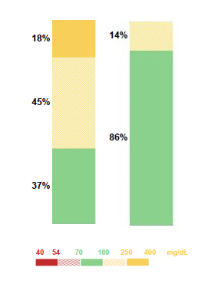
- Pre-bolus before meals. Taking your rapid-acting insulin 10–15 minutes before eating can make a huge difference in your time in range (TIR). One patient improved their TIR from 37% to 86% in just a week by making this small change!
- Don’t be fooled by “sugar-free” labels. Sugar-free or no-sugar-added doesn’t mean carb-free. Always check the food label for total carbohydrates—those still affect your blood glucose levels.
- Rotate injection sites. Over time, using the same area for injections can reduce insulin absorption. Regularly rotating sites help ensure your insulin works as effectively as possible.
- Stay consistent with medications. Always take your medications as prescribed—even when you’re feeling well. The right medication is the one you can take consistently, and that causes the fewest side effects.
- Pay attention to timing. Some medications, like metformin, work best with food to minimize stomach upset, while insulin timing depends on the type you take.
- Exercise helps insulin work better. Think of insulin like a key—when you have diabetes, that key can get “rusty.” Physical activity acts like “WD-40”, helping insulin work more smoothly. Even a 10-minute walk after a meal can help lower your blood sugar.
- Progress takes time. Set realistic goals and remember: slow and steady wins the race. Setbacks are normal—what matters most is getting back on track.
United in Blue
World Diabetes Day is more than a date; it’s a reminder that no one faces diabetes alone. When communities light up landmarks, wear blue, or share their stories, it shows the strength and unity of people around the world. By standing together, we shine a light on diabetes and work toward a healthier future for everyone.
Author: Kelley Soucy, RN, CDCES | CCS Health
This site is for educational purposes only. Talk to your doctor or healthcare provider before making any decisions about your health.