
Diabetes and Weight Loss: Getting Started
CCS EDUCATION | 2 MIN READ

What To Know
Being overweight can make diabetes more difficult to control. Losing weight is often helpful in improving glucose by decreasing your body’s resistance to insulin, lowering blood pressure and blood fats (cholesterol and triglycerides).
Before starting any weight loss program, check with your healthcare provider. Also, as you lose weight, you should consult with your healthcare provider to check whether your diabetes medicine may need to be adjusted.
How To Get Started
Set realistic and specific goals. Losing even 5% of your current body weight by consuming less calories and changing your lifestyle has shown benefits for people who are overweight with diabetes, prediabetes, and those at risk of developing diabetes. A weight loss of about ½ pound to 1 pounds per week is good. When you meet your goals, reward yourself.
Develop a plan for healthy eating. A dietitian is a good person to help you set up a meal plan. Make sure the plan fits your tastes and your lifestyle. Increase your activity level. Activity burns calories, reduces stress, and can make you feel less hungry. Try to move for 30-45 minutes a day.
Keep a food and exercise diary. Writing down what you eat for each meal and snack, and what you do for activity, will help you stay on track. You can also track using a multitude of available phone apps.
Try not to use food to cope with stress or feelings such as anger, sadness or boredom. Learn healthier ways to cope.
This site is for educational purposes only. Talk to your doctor or healthcare provider before making any decisions about your health.
RESOURCES
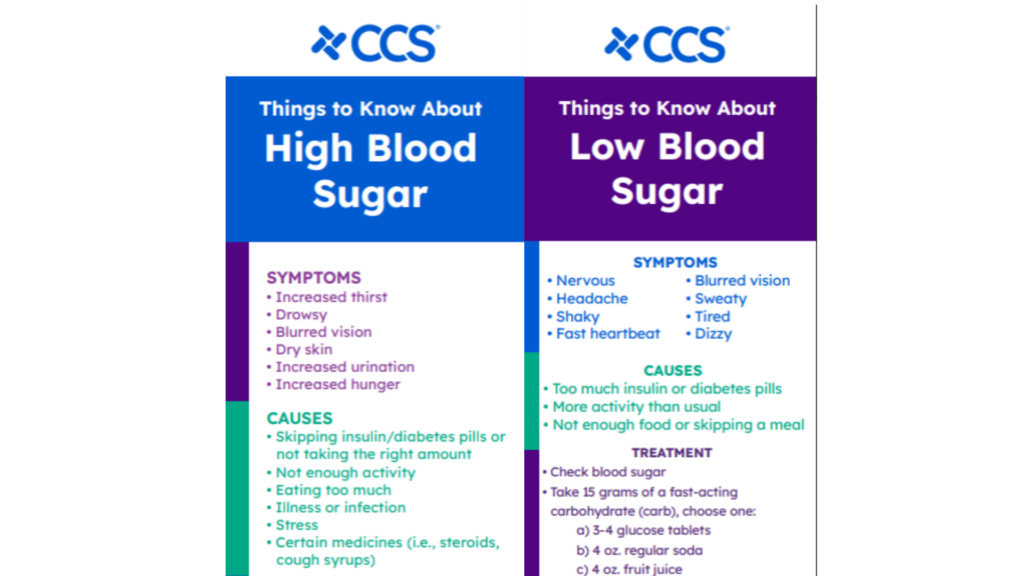
Blood Sugar Bookmark
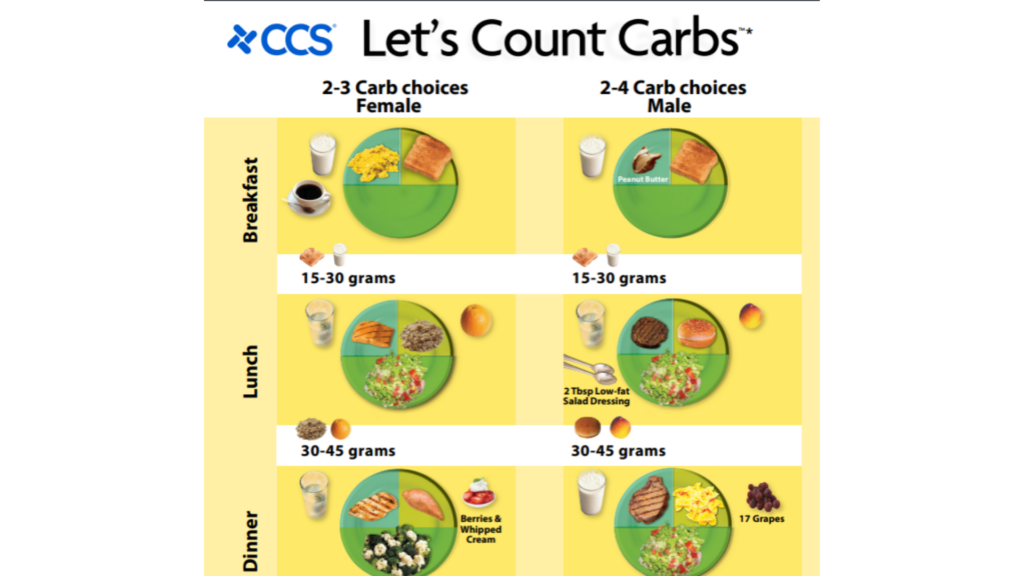
Counting Carbs

Diabetes Guide
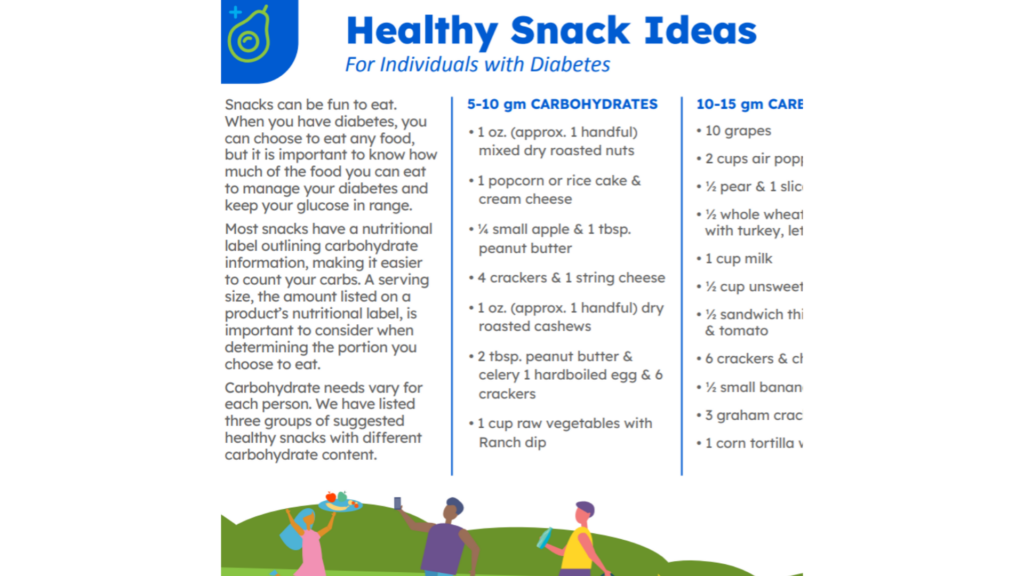
Healthy Snacks
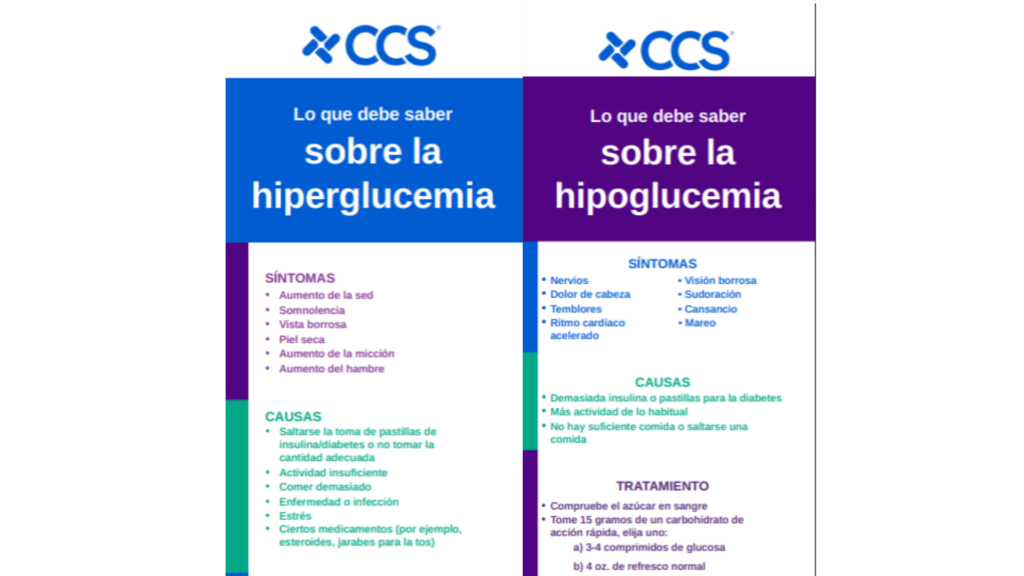
Blood Sugar Bookmark (Spanish)
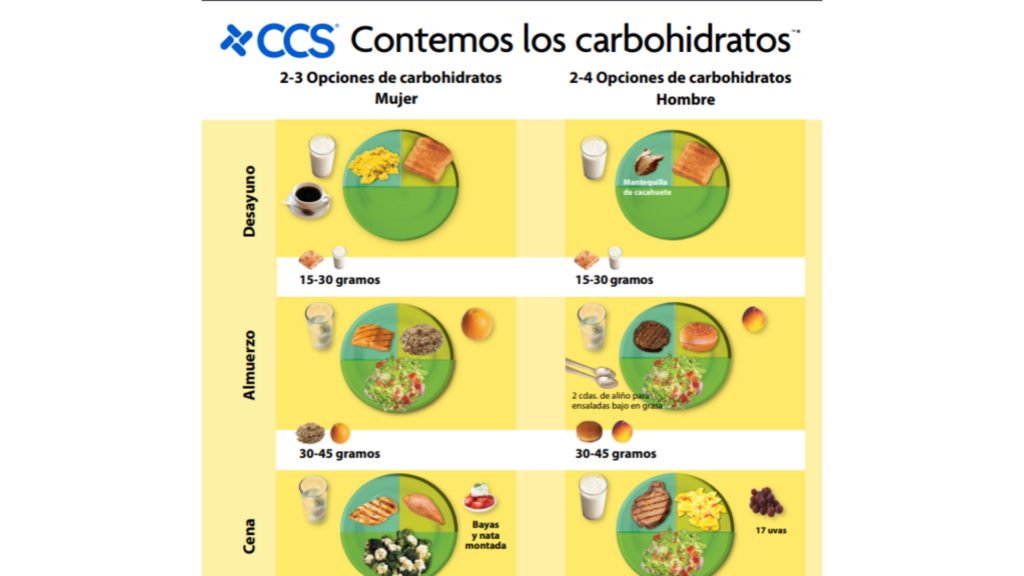
Counting Carbs (Spanish)

Diabetes Guide (Spanish)
Healthy Snacks (Spanish)
