
Diabetes Symptoms, Ways To Diagnose and Best Next Steps
CCS EDUCATION | 2 MIN READ
What are the symptoms of Diabetes and high glucose?
There may be no symptoms at all, but when there are, here are some of the more common signs of diabetes:
- Feeling tired
- Dry, itchy skin
- Frequent passing of urine
- Frequent infections
- Increased thirst
- Possible weight loss
- Slow healing wounds
- Feeling very hungry
- Sexual dysfunction
- Blurred eyesight
- Numbness in hands or feet
ways to diagnose diabetes
If your healthcare provider thinks you may have diabetes, there are some blood tests to find out for sure.

Fasting Glucose
For this test, you should not have eaten for the previous 8 to 10 hours.
Hemoglobin A1C (A1C)
An A1C test measures glucose levels over a period of up to
three months.

Random Glucose
A random glucose test measures your glucose level at any point in
time. It can be taken after you eat, in the middle of the day, or in the evening
Oral Glucose Tolerance Test (OGTT)
This test measures your body’s response to sugar. You are given a drink with a very high amount of sugar. Then your glucose levels are tested every 60 minutes for up to three hours.
| BLOOD TEST | WITHOUT DIABETES | PRE-DIABETES | WITH DIABETES |
| Fasting Glucose | Less than 100 mg/dL | 100-125 mg/dL | 126 mg/dL or greater |
| Hemoglobin A1C | Less than 5.7% | 5.7% – 6.4% | 6.5% or greater |
| Random Glucose | Less than 140 mg/dL | 140-199 mg/dL | 200 mg/dL or greater |
| Oral Glucose Tolerance Test (OGTT) | LEss than 140 mg/dL (after 2 hours) | 140-199 mg/dL (after 2 hours) | 200 mg/dL or greater (after 2 hours) |
Diabetes Care 2021 Jan; 44 (Supplement 1): S15-S33. Accessed 03/2021
important steps to take:
Whether you have type 1 or type 2 diabetes, there are important steps you can take to help manage it. You need to balance food, activity and medication. It is important to check your glucose levels to know how well you are managing your diabetes.
- Follow a meal plan that allows you to keep a healthy weight
- Watch portion sizes, eat meals at regular times and eat the right kinds of food
- Exercise often
- Take medication (if needed)
- Check your blood sugar regularly
This site is for educational purposes only. Talk to your doctor or healthcare provider before making any decisions about your health.
RESOURCES

CCS Diabetes Guide
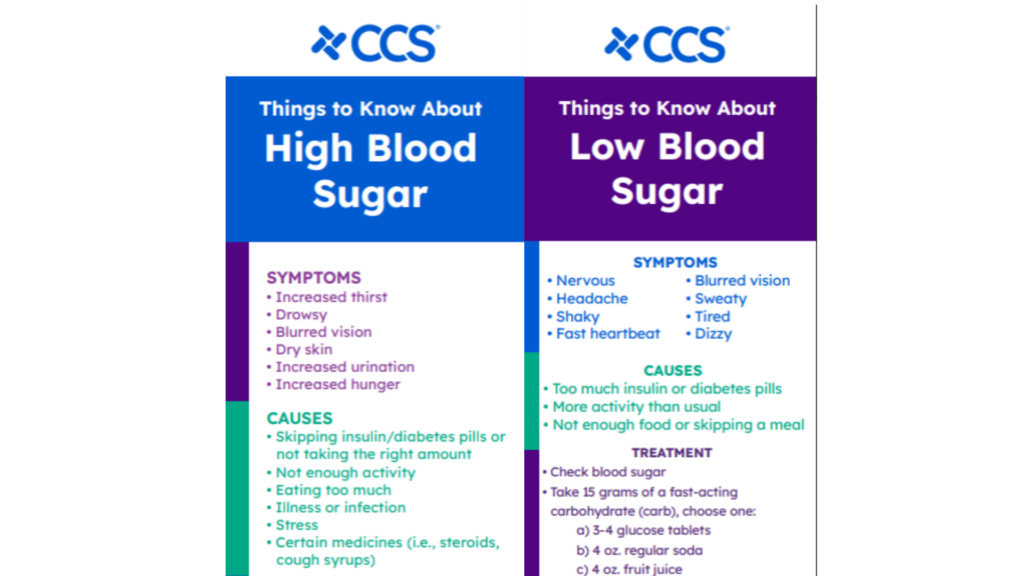
Blood Sugar Bookmark
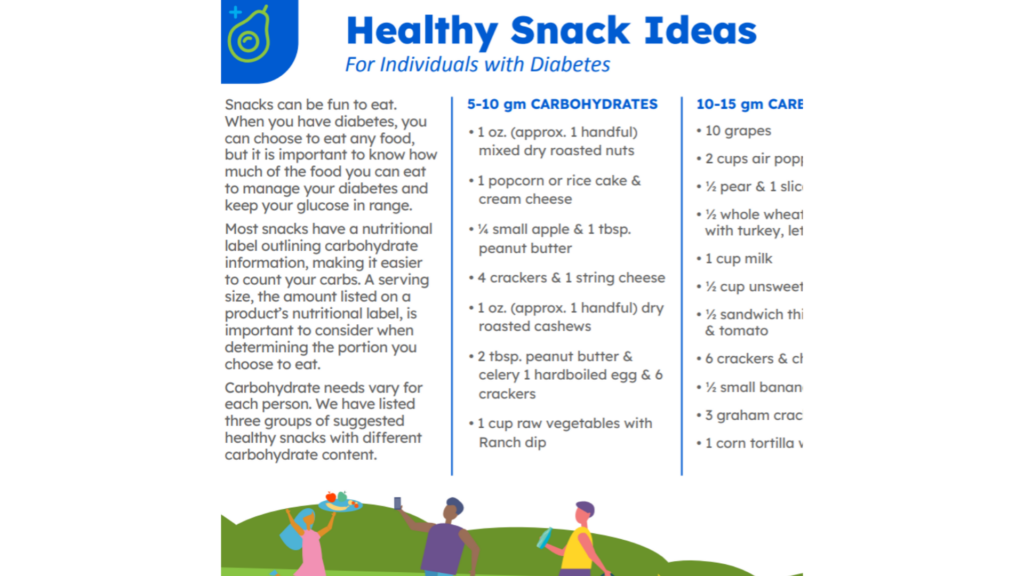
Healthy Snack Ideas
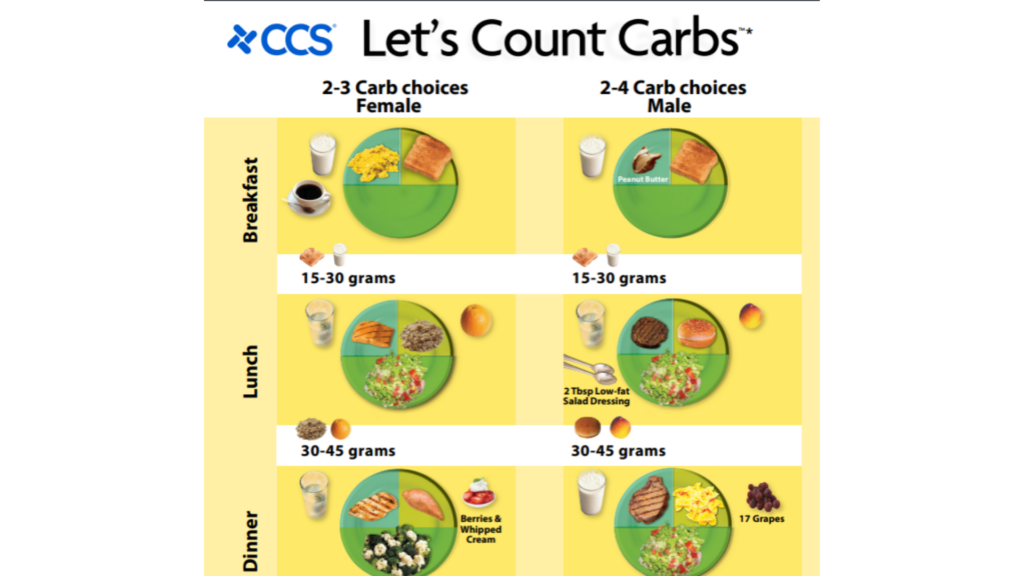
Counting Carbs

CCS Diabetes Guide (Spanish)
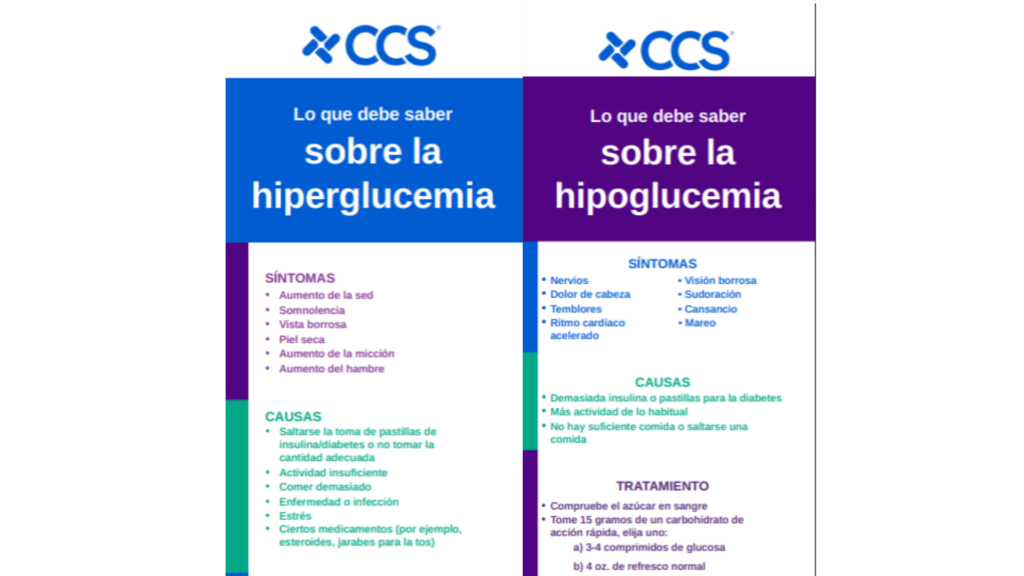
Blood Sugar Bookmark (Spanish)

Healthy Snack Ideas (Spanish)
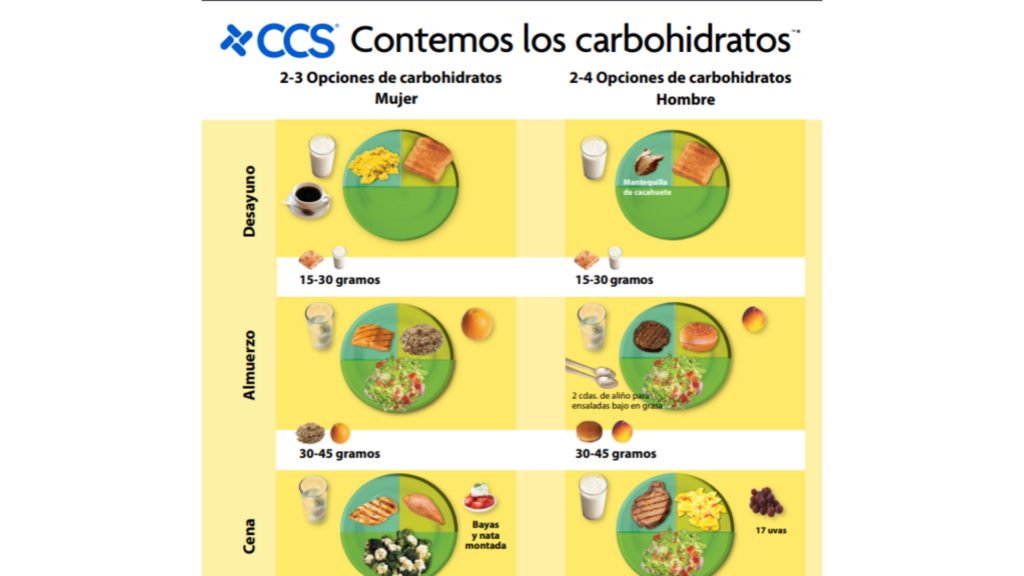
Counting Carbs (Spanish)