
Food, Activity and Recommendations Based On Glucose
CCS EDUCATION | 5 MIN READ

Activity and Food
Activity may lower glucose, such as walking. Walking is considered an excellent activity for most people with diabetes. If you take insulin or glucose-lowering pills, your blood sugar may get too low during or after an activity. It is important to snack on appropriate foods at the appropriate time. Please note, that for some people, certain activities may raise glucose levels temporarily. If this is the case for you, you do not have to have a snack before the activity.
If a snack is needed, your snack should contain either starch or sugar.
If Your Glucose Is Normal Before The Activity…
If your glucose is normal before the activity, but usually drops once you start an activity, you should aim to have a snack that contains a starch before starting the activity. How many carbohydrates you need depends on:
- Your glucose when you start the activity
- If you are taking insulin, when was the last dose of your rapid-acting insulin
- How long you plan on doing the activity for
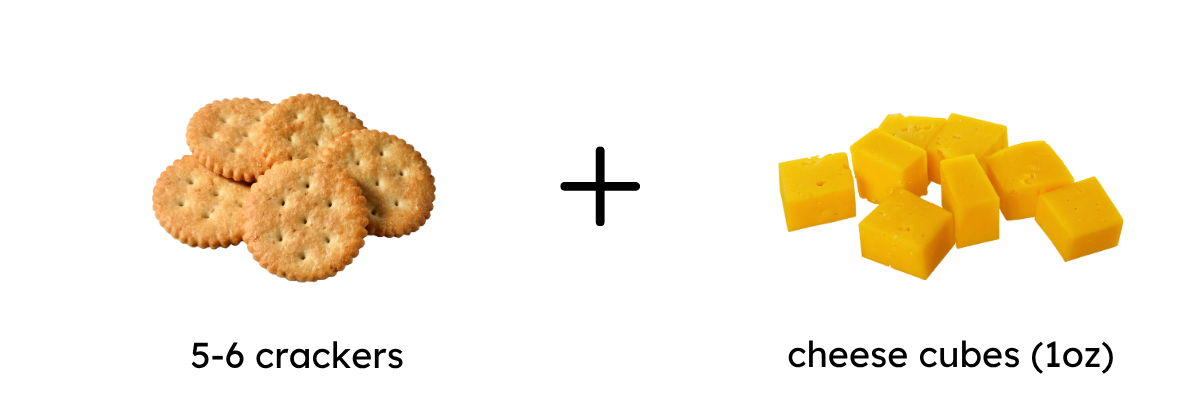
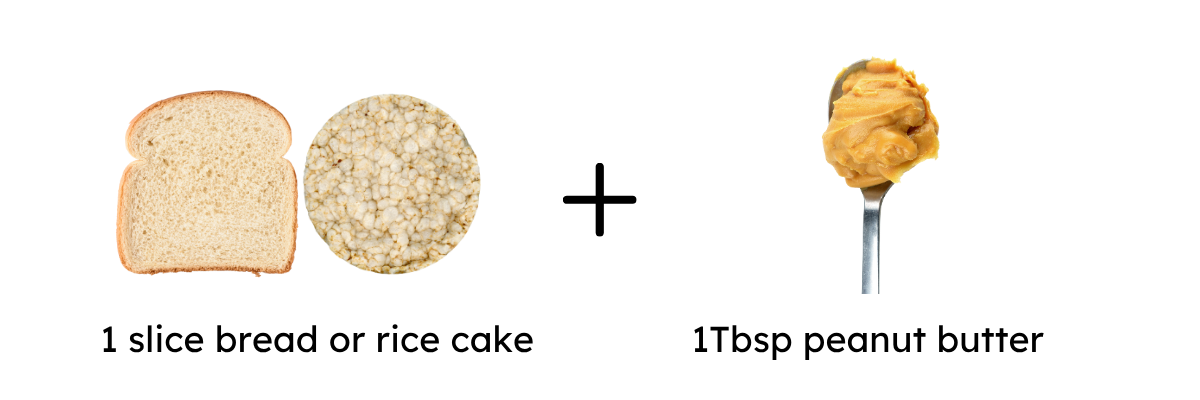
Starch Plus A Protein Snacks
Examples of starch plus a protein snack with the correct portion size to eat or drink.

Quick Carbohydrate Snacks
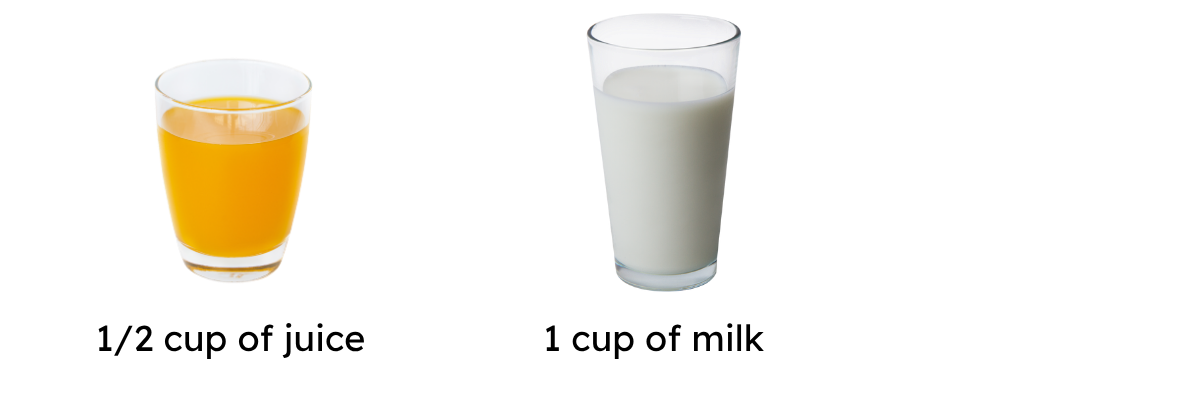
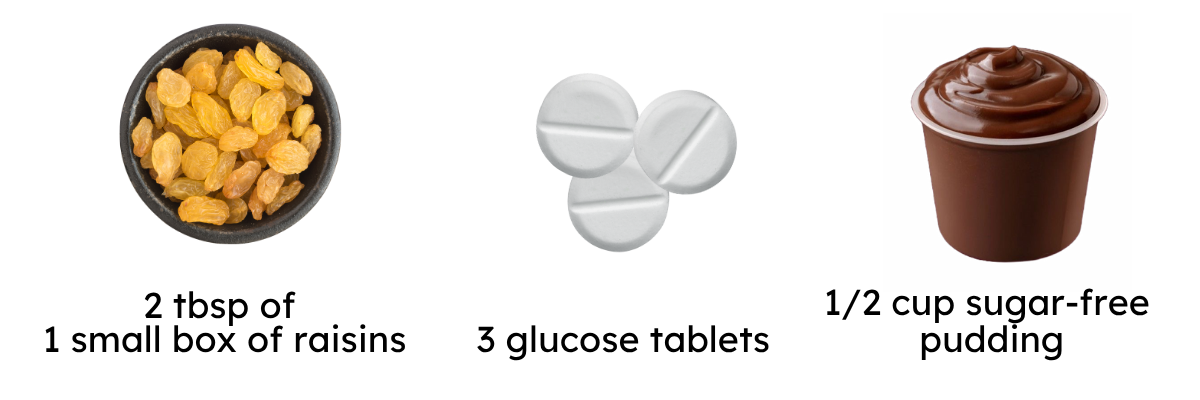
Here are examples of quick carbohydrates with the correct portion size to eat or drink.

Glucose, Activity and Snack Recommendation Table
This information is to be used as a guideline only. Everyone responds to exercise and food differently. Please discuss these recommendations with your physician.
📱If viewing on a mobile device, rotate your phone to landscape mode for the best reading experience. ⤵️
| Glucose Level | Recommendations for Activity | Recommended Snack Based on Length of Activity |
|---|---|---|
| (Hyperglycemia) Lower than 100 mg/dL | Glucose may be too low to do activities safely. Eat a snack before doing an activity. | Activity for 30 minutes or less – + 1-2 carbohydrate choice(s) depending on glucose Activity for about 1 hour – 2 carbohydrate choices plus protein Activity for 2 hours or more – Do not do activity until glucose is over 100. Eat 1 carbohydrate choice and recheck glucose. Repeat as needed |
| 100 – 150 mg/dL | Safe glucose range for most people to be active. Eat a snack to prevent blood sugar from dropping during an activity | Activity for 30 minutes or less – 0-1 carbohydrate choice(s) depending on glucose Activity for about 1 hour – 1-2 carbohydrate choice(s) depending on glucose Activity for 2 hours or more – 2 carbohydrate choices plus protein |
| 150 – 200 mg/dL | Safe glucose range for most people to do an activity. May need to eat a snack to prevent glucose from dropping during an activity. | Activity for 30 minutes or less – No snack needed Activity for about 1 hour – 0-1 carbohydrate choice depending on glucose Activity for 2 hours or more – Check glucose each hour. Eat carbohydrate choice, if needed, based on glucose reading. |
| 200 – 250 mg/dL | Safe glucose range for most people to be active. May need to eat a snack to prevent glucose from dropping during an activity | Activity for 30 minutes or less – No snack needed Activity for about 1 hour – No snack needed Activity for 2 hours or more – Check glucose each hour. Eat carbohydrate choice, if needed, based on glucose reading. |
| 250 – 300 mg/dL | Safe glucose range for most people to be active. | Activity for 30 minutes or less – No snack needed Activity for about 1 hour – No snack needed Activity for 2 hours or more – Check glucose each hour. Eat carbohydrate choice, if needed, based on glucose reading. |
| Over 300 mg/dL | Glucose may be too high to do an activity safely. Ask your healthcare provider what glucose range is safe for you |
This site is for educational purposes only. Talk to your doctor or healthcare provider before making any decisions about your health.
Resources
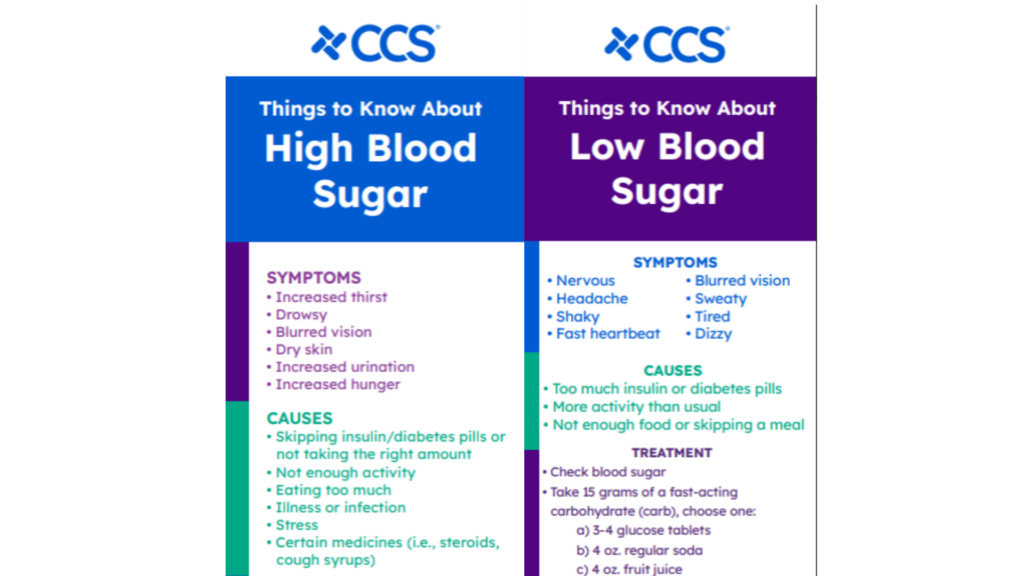
Blood Sugar Bookmark
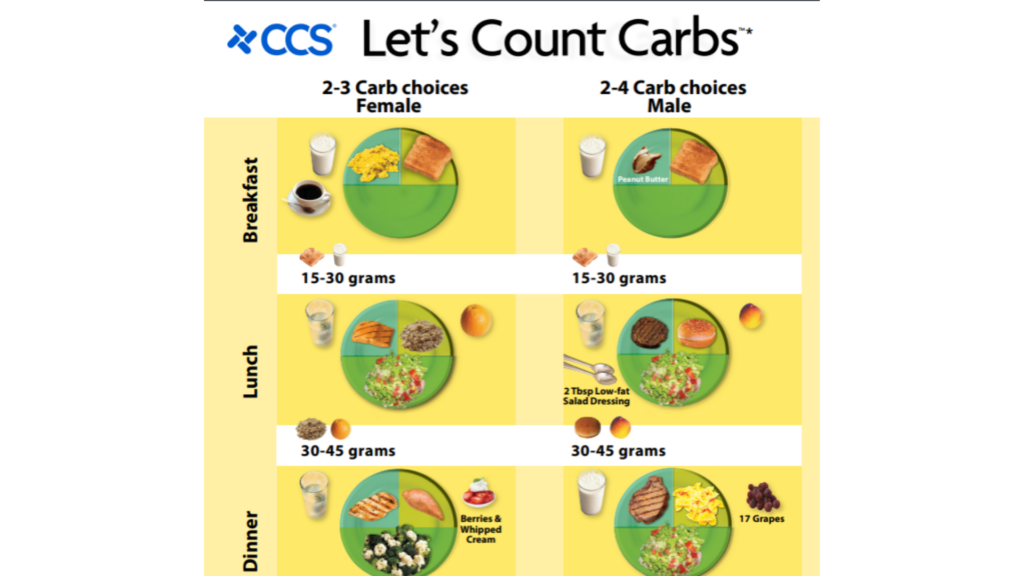
Counting Carbs

Diabetes Guide
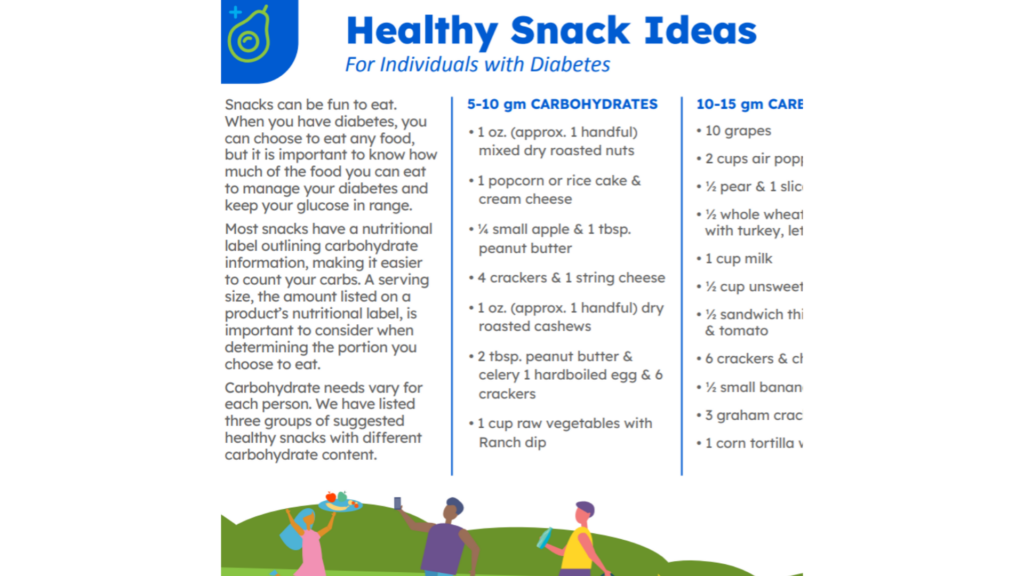
Healthy Snacks
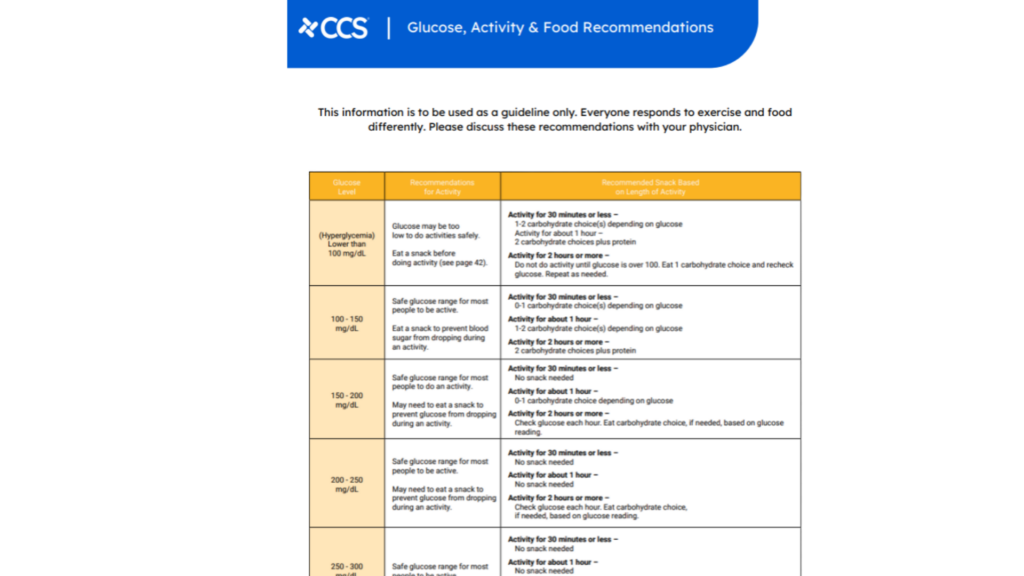
Glucose, Activity and Food Recommendations
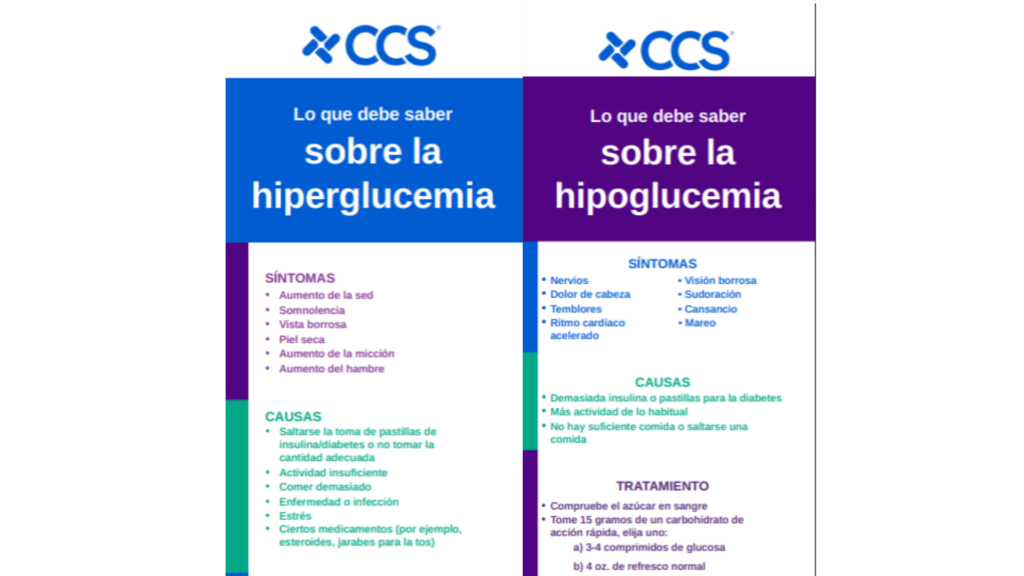
Blood Sugar Bookmark (Spanish)
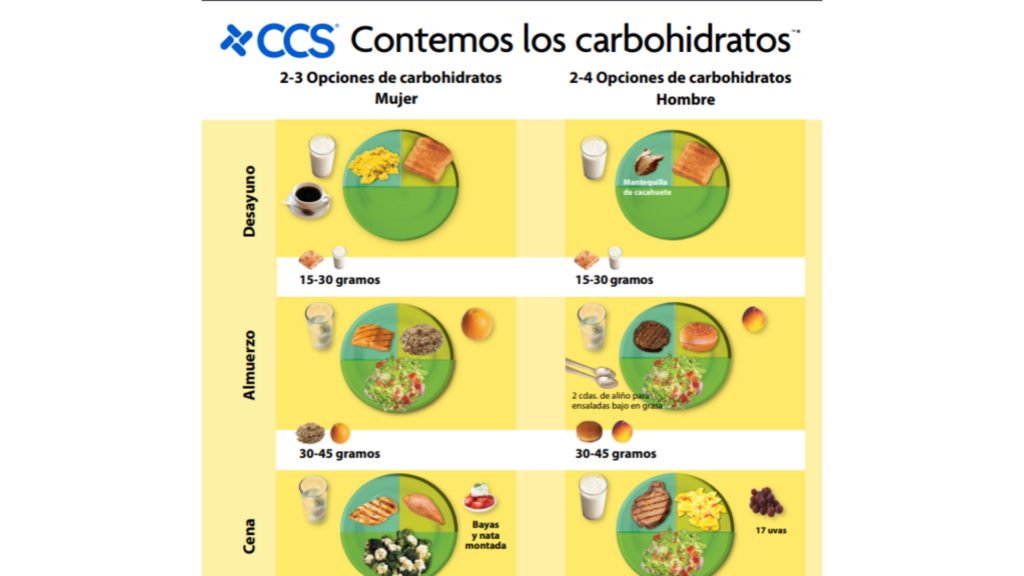
Counting Carbs (Spanish)

Diabetes Guide (Spanish)

Healthy Snacks (Spanish)