Sushi, Soy Sauce and Smart Choices: Enjoying Japanese Food While Living with Diabetes
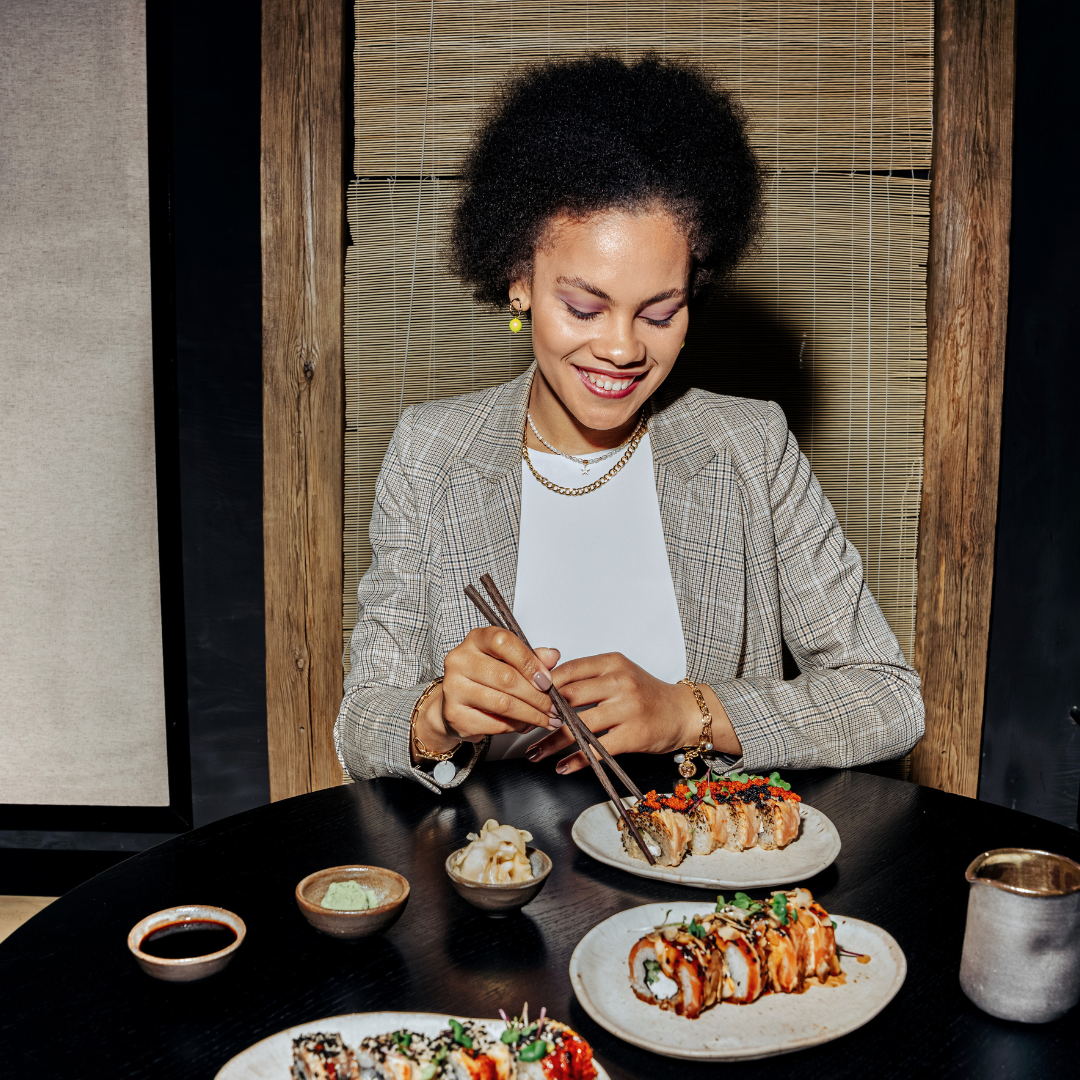
Japanese food has become one of the most popular cuisines in the United States, and for good reason. From fresh sushi and flavorful grilled meats to warming soups and crisp vegetables, there are plenty of delicious options to enjoy. If you live with diabetes, the good news is that Japanese restaurants can offer many meal choices that fit into a healthy eating plan.
Like any cuisine, though, not everything on the menu is created equally. While many people assume all Japanese food is healthy, some dishes can be higher in carbohydrates, sodium, sugar or fat than you might expect. Knowing what to look for can help you enjoy your meal while keeping your blood sugar in mind.
How Japanese Food Affects Blood Sugar
Japanese meals often include a balance of protein, vegetables and healthy fats, which can help create a satisfying meal. What to consider when building a balanced Japanese food plate:
- Rice The biggest factor for blood sugar is usually the rice. Sushi rice is made with short grain white rice, which is lower in fiber and tends to have a greater impact on blood glucose levels verses using basmati or jasmine rice. It is also maybe lightly seasoned with sugar and rice vinegar.
- Kewpie Mayo Sushi often has Japanese mayo also known as kewpie mayo which is richer or sweeter than American mayo using egg yolks, rice vinegar and MSG (monosodium glutamate) Kewpie mayo is known for stimulating taste buds..
That does not mean you have to skip sushi. Pairing rice with protein-rich fish, vegetables and healthy fats can help create a more balanced meal. Since everyone’s body responds differently, checking your glucose within 2 hours after trying a favorite meal can help you learn what works best for you.
Sushi Can Absolutely Be on the Menu
Sushi is often the first thing people think of when they visit a Japanese restaurant, and many rolls can be a great choice. Fish like salmon and tuna provide protein and heart healthy omega-3 fats, while vegetables such as cucumber and avocado add flavor and texture.
If you are looking to keep carbohydrates a little lower, try sashimi, which is sliced fish served without rice, or enjoy a smaller sushi roll alongside edamame or a salad. Specialty rolls with fried ingredients, creamy sauces or sweet glazes are delicious treats, but they are often best enjoyed occasionally or shared with the table.
Soy Sauce and Other Sauces
Soy sauce adds plenty of flavor without many carbohydrates, but it is naturally high in sodium. Using it lightly or choosing a reduced-sodium version can help reduce your overall sodium intake while still enjoying the taste.
💡 Quick Tip 1 tablespoon of soy sauce contains: 8.5 calories, 0.8 grams of carbohydrates, 1.3 grams of protein, 0 grams of fat, and 878 milligrams of sodium. If looking for lower sodium choices the “less sodium” version is ~38% lower in sodium. If you have high blood pressure this is important to know.
It’s also worth paying attention to sauces like teriyaki or eel sauce, which often contain added sugar. Ordering sauce on the side gives you more control over how much you use.
💡 Quick Tip 1 Tablespoon of teriyaki sauce contains: 15 to 35 calories, 3 to 6 grams of carbohydrate and 300 to 600 milligrams of sodium
💡 Quick Tip 1 Tablespoon of eel sauce contains: 240 to 600 milligrams of sodium, 30 to 50 calories depending on brand and 9 to 12 grams of carbohydrates.
What About Tempura?
Tempura vegetables and seafood are light and crispy because they are coated in batter and fried. While they can certainly be part of an enjoyable meal, frying adds extra fat and the batter adds carbohydrates.
Instead of making tempura the centerpiece of your meal, consider sharing an order with family or friends while filling the rest of your plate with grilled fish, vegetables, or soup.
💡Quick Tip 1 serving size of tempura has about 450 calories and about 20 grams of fat.
Great Choices to Look For
Many Japanese dishes naturally combine lean protein, healthy fats and vegetables, making them satisfying and flavorful choices that can help support steadier blood sugar levels. Here are some of the healthier options to enjoy that fit well into your diabetes management:
- Sashimi (Japanese dish of thinly sliced raw fish or seafood served without rice)
- Sushi rolls with simple ingredients
- Grilled salmon or chicken
- Edamame (Young green soybeans harvested before they are fully ripened)
- Seaweed salad
- Steamed vegetables
- Tofu dishes
- Miso soup
- Small portions of rice paired with protein and vegetables
Menu Items to Enjoy in Moderation
Some Japanese food options can absolutely still be part of your meal, but they tend to be higher in refined carbohydrates, added sugars, sodium or fat, so enjoying them in smaller portions or less often can help keep your blood sugar and overall health on track.
- Specialty rolls with fried ingredients
- Tempura entrées
- Teriyaki dishes with extra sauce
- Large bowls of ramen
- Katsu (breaded and fried meat)
- Fried rice
- Extra servings of white rice
- Sweet dipping sauces (including teriyaki sauce, yakitori tare, unagi (eel) sauce, yakiniku (barbeque) sauce and tentsuyu sauce
💡Quick Tip Calories for ramen range between 450 to 900 calories with sodium content that can be greater than 1600 milligrams per meal
Enjoy Every Bite
One of the best things about Japanese dining is the variety. You can mix and match fresh fish, vegetables, soups and grilled dishes to create a meal that is both satisfying and diabetes friendly. With a little planning and portion control, there is no reason sushi night cannot stay on the menu.
Living with diabetes is about making informed choices, not giving up the foods you love. Japanese cuisine offers plenty of opportunities to enjoy a flavorful meal while supporting your overall health.
Author: Janet Dominowski, MS, RDN, CDCES
This site is for educational purposes only. Talk to your doctor or healthcare provider before making any decisions about your health.