AI Chatbots and Your Care Team: Know Who to Ask
Let’s start with the most important point: When it comes to decisions about your health, your care team is the most reliable source. Your doctors, nurses, diabetes educators, pharmacists, and other healthcare providers bring medical knowledge and experience. They work with you to understand your health history, medications, lab results, diabetes technology, and treatment plan.
ChatGPT and other AI chatbots do not have a complete or accurate picture of your health.
But that doesn’t mean AI can’t be helpful. The key is knowing when to use it.
When AI Chatbots Can Be a Good Place to Start
Sometimes you have a question at 10:00 p.m. Or you leave an appointment and realize you didn’t fully understand something your doctor said. Maybe you simply want to learn more before your next visit.
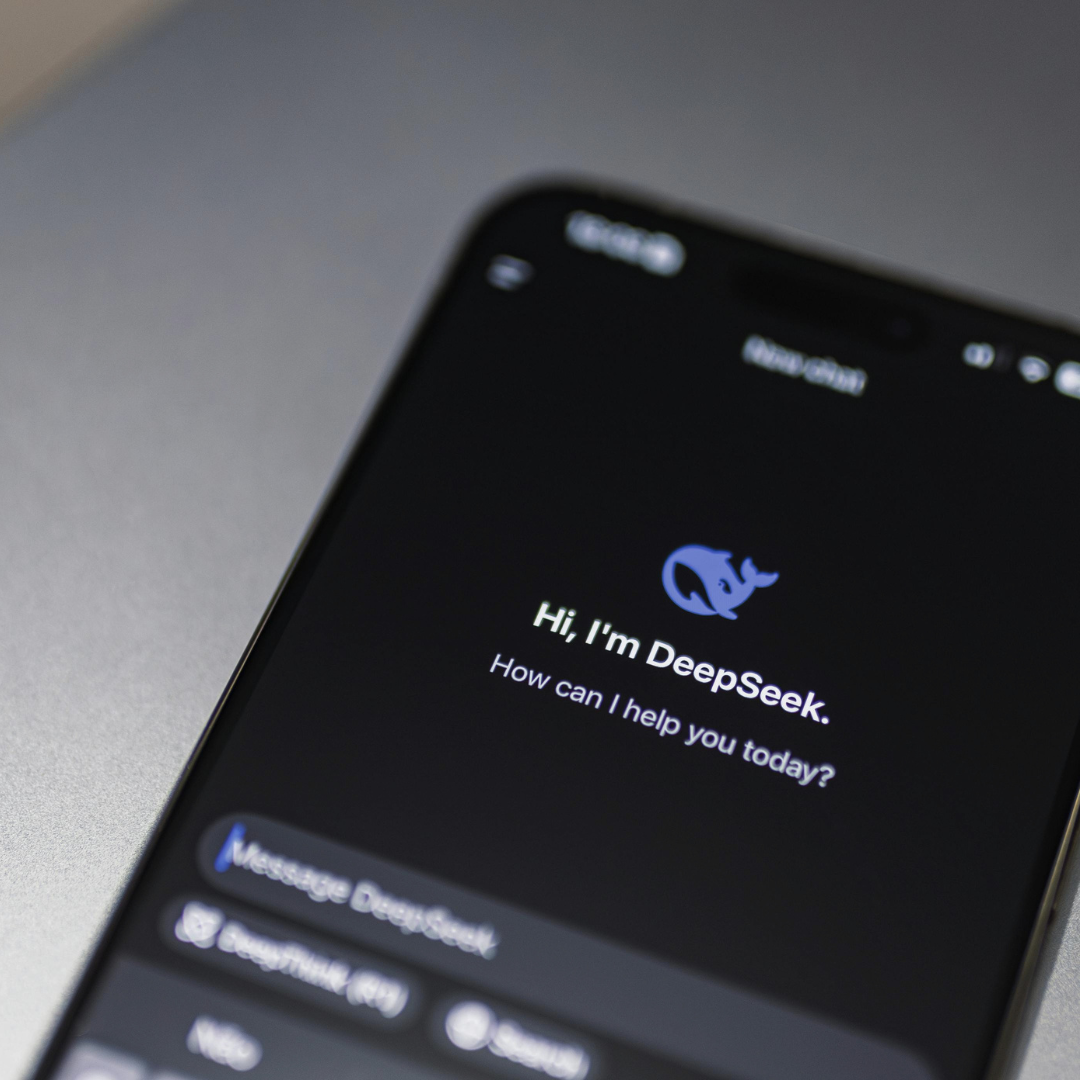
AI Chatbots can be useful for questions like:
- “What does time in range mean?”
- “Can you explain A1C in simple terms?”
- “What questions should I ask my doctor about starting a continuous glucose monitor (CGM) or insulin pump?”
- “What are some carbohydrate sources I might not think about?”
- “Can you help me make a list of questions for my endocrinologist?”
- “My doctor used this medical term. What does it mean?”
Think of an AI chatbot as a starting point for general learning, not the final word on your specific health.
When to Contact Your Care Team
Personal medical decisions are best made together with your healthcare team. That includes questions about changing insulin or medication doses, starting or stopping a medication, interpreting unusual glucose patterns, managing side effects, or deciding what to do when you are sick. Continue following your agreed-upon care plan, including any instructions for adjusting insulin or managing sick days. If you are unsure what to do, contact your care team.
Severe low blood glucose (hypoglycemia) or suspected diabetes-related ketoacidosis (DKA) needs immediate medical attention. Skip the AI chatbot and follow your emergency care plan. Call 911 for trouble breathing, severe confusion, seizures, or loss of consciousness.
AI Can Be Wrong
Let’s say this again: AI is not always correct! AI chatbots can give an answer that sounds confident and convincing but is incomplete, outdated, or simply wrong. It may also give general advice that does not apply to your type of diabetes, medications, other health conditions, or treatment plan.
In one study, people were given examples of health problems. Those who used AI chatbots were no better at figuring out what might be wrong or when to get medical help than those who used their usual sources of information.
A good rule to follow: If an answer could change your treatment or affect when you seek medical care, involve your healthcare team.
Protect your privacy, too. Before sharing personal health information with an AI tool, review its privacy practices and avoid including identifying details, such as your insurance or medical record number.
Use AI to Have Better Conversations
One of the best uses of an AI chatbot may actually happen before you talk to your care team.
You can use it to learn basic terms, organize your thoughts, or create a list of questions. Then, you and your provider can spend more time talking about what that information means for you.
AI chatbots shouldn’t replace the people on your diabetes care team. Used thoughtfully, it can be another tool that helps you feel more prepared to talk with them.
Author: Coni Dennis, DNP, RN, NE-BC
This site is for educational purposes only. Talk to your doctor or healthcare provider before making any decisions about your health.