Halloween Without the Guilt
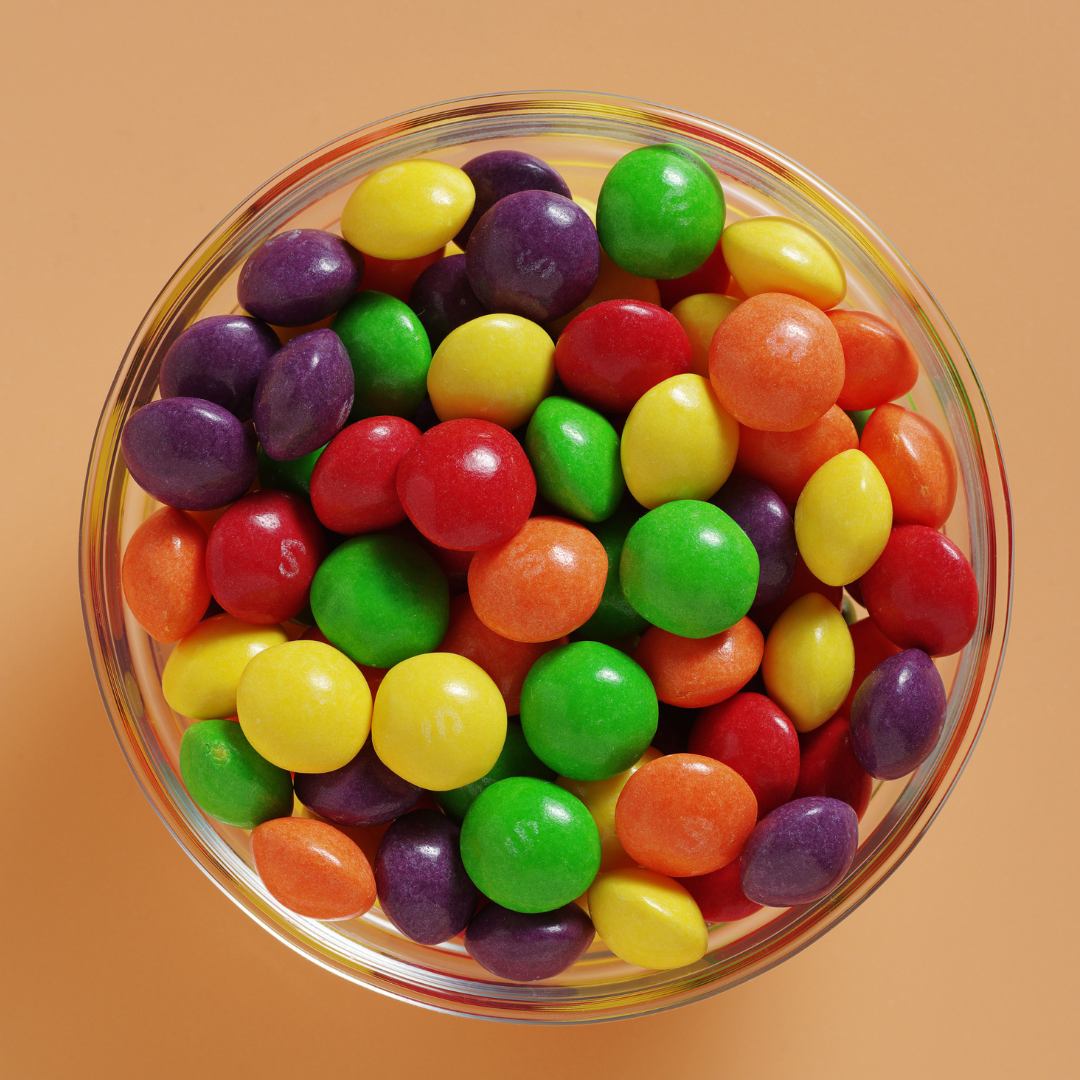
Halloween can be tricky when you’re living with diabetes. Candy is everywhere, and so are messages about whether you should or shouldn’t eat it.
But enjoying a few pieces of Halloween candy doesn’t mean you’ve failed to manage your diabetes. In fact, the American Diabetes Association explains that sweets don’t have to be completely off limits —so long as they’re consumed in moderation and are a part of a balanced eating plan. (Source)
Instead of making Halloween about avoiding candy, it may be more helpful to think about choice, portions and knowing how different treats affect your body. Let’s dive in!
Think Beyond “Good Food, Bad Food”
It can be easy to fall into a guilt spiral: I ate candy. I shouldn’t have eaten it. My blood sugar went up. I messed up.
Try replacing that thinking with curiosity. What did you eat? How much? What happened to your glucose afterward? What might you do differently next time?
One piece of candy or one higher glucose reading doesn’t define how well you manage your diabetes. Being overly restrictive can even backfire, especially for children. The ADA notes that completely restricting Halloween candy can make it feel more tempting or lead some children to sneak treats. (Source)
It’s Not Just About Sugar
Here’s something worth remembering total carbohydrates often tell you more about how food may affect your blood glucose than the word “sugar” on the label. Carbohydrates include sugars, starches, and fiber, and your body breaks many of these substances into glucose.
That means a package labeled “no added sugar,” “naturally sweetened” or even “sugar free” isn’t automatically a better choice for your blood glucose. Check the Total Carbohydrate line on the Nutrition Facts label, along with the serving size.
And if you use insulin with meals or snacks, follow the carb-counting and dosing plan you have worked out with your diabetes care team.
What About “Natural Sugar” Candy
The candy aisle has changed. You can now find treats made with dates, fruit, honey, maple syrup, coconut sugar, and other alternatives to traditional refined sugar.
These can be fun options, particularly when they contain ingredients like whole fruit, nuts, seeds, or dark chocolate. But “natural” doesn’t mean the sugar won’t affect your glucose. Honey, maple syrup and sugars from dried fruit still contain carbohydrates that can raise blood sugar.
Think of these candies as alternatives, not freebies. Some may offer fiber, protein or less added sugar, but the nutrition label still matters.
10 Sweet Alternatives to Explore
If you want to branch out from traditional Halloween candy, consider treats made with:
- Dates. Naturally sweet and often paired with nuts or chocolate.
- Dried fruit. Look for versions without added sugar and watch portion sizes.
- Dark chocolate. A richer flavor can make a smaller portion feel satisfying.
- Chocolate-covered nuts. Nuts add protein and fat alongside the carbohydrate.
- Nut-butter cups. Peanut, almond or other nut butters can make for a more satisfying treat.
- Fruit-based gummies. Look for options made with fruit and compare total carbs between brands.
- Coconut-based treats. Coconut can add texture and sweetness without relying only on traditional candy fillings.
- Frozen fruit dipped in dark chocolate. Try strawberries, raspberries, or banana slices.
- Apple slices with nut butter and chocolate drizzle. A Halloween-worthy treat that also provides fiber and fat.
- Homemade trail mix. Combine nuts, seeds, unsweetened coconut and a small amount of chocolate or dried fruit.
Keep in mind that even fruit contains carbohydrates. For example, a single Medjool date can contain around 18 grams of carbohydrates, so “naturally sweetened” doesn’t always mean “lower carb.”
Make the Sweet You Chose Worth It
If a peanut butter cup is your Halloween dream, eating a “healthier” candy you don’t really want may not satisfy you.
Choose the treat you actually enjoy. Check the serving size and carbs. Consider having it with or after a balanced meal rather than when you’re very hungry. Eating a treat alongside foods containing protein, fiber or healthy fat may also help slow digestion and make the treat more satisfying.
Most importantly, slow down and enjoy it. Candy doesn’t have to be eaten quickly or secretly to “get it over with.”
A Sweeter Way to Think About Halloween
Living with diabetes requires plenty of daily decisions. Halloween doesn’t need to become another test you have to pass.
Enjoy the costume. Walk around the neighborhood. Pick your favorite candy. Try a few new alternatives. Check your glucose and use what you learn to make the next decision.
The goal isn’t a candy-free Halloween. It’s enjoying the holiday while continuing to care for yourself, without adding guilt to the treat bag.
Author: Noelia Rivera-González, MS, RD, LDN, CDCES | CCS Health
This site is for educational purposes only. Talk to your doctor or healthcare provider before making any decisions about your health.