Compression Lows When Wearing a Continuous Glucose Monitor: What You Need to Know
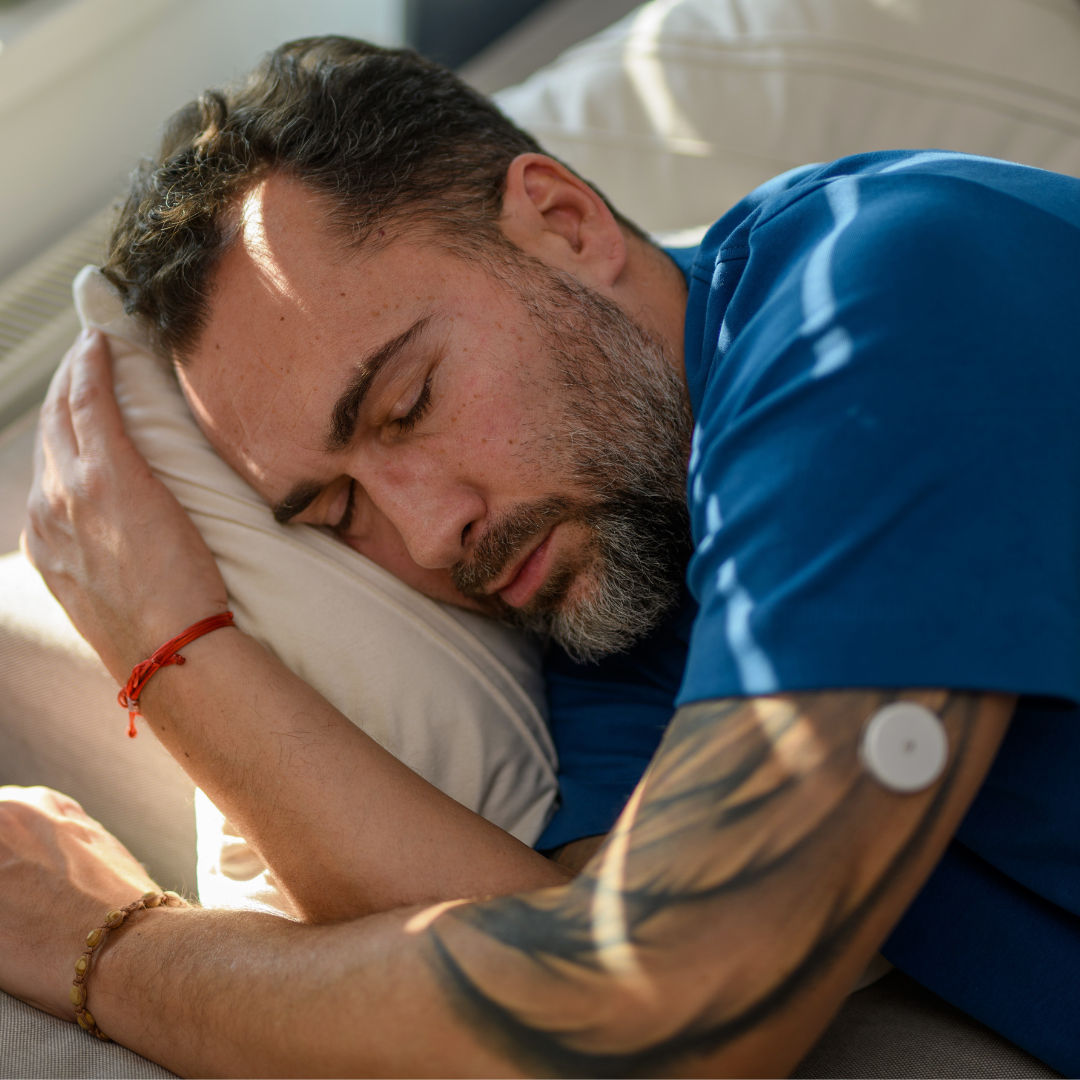
For many people living with diabetes, a continuous glucose monitor (CGM) can make it easier to understand glucose levels throughout the day and night. But sometimes, your CGM may show a low reading even when your blood sugar is not actually low. This is known as compression low.
Let’s explore what a compression low is, why it matters, and how you can be prepared if it happens.
What Is a Compression Low?
A compression low can happen when pressure is placed on the CGM sensor. This is especially common while sleeping. For example, if you roll over and sleep directly on the arm where your sensor is placed, the pressure can affect the fluid around the sensor. That may cause the CGM to report a glucose level that is lower than it really is.
Compression lows are not true hypoglycemia. However, they can look like one on your CGM graph and may even trigger a low glucose alarm.
One clue is a sudden, sharp drop in your CGM reading that does not match how you feel. Once the pressure is removed, the glucose reading may quickly return to its previous range.
Why Compression Lows Matter
A false low can be more than an annoying middle-of-the-night alarm. If you treat a compression low as real hypoglycemia, you may eat or drink carbohydrates you do not need, which can cause your glucose to rise.
Compression lows may also be important for people who use insulin pumps. Because some insulin pumps use CGM readings to adjust insulin delivery, inaccurate sensor readings can temporarily affect how the system responds.
How Can You Help Prevent Compression Lows?
You may not be able to prevent every compression low, especially if you move around while sleeping. But a few simple steps may help:
- Think about how you sleep. If you usually sleep on your left side, for example, placing your sensor in an approved location where you are less likely to lie on it may help.
- Choose your sensor site carefully. Always follow the manufacturer’s approved placement instructions, while considering areas that are less likely to experience pressure from sleep, tight clothing or gear. If you are unable to wear your sensor in the recommended areas, consult your Healthcare provider about other possible placement sites.
- Avoid tight pressure around the sensor. Tight sleeves, waistbands or other clothing may press against certain sensor locations.
- Look at the trend, not just one number. A sudden drop followed by a quick return to normal may be a sign that pressure, rather than your glucose level, caused the reading.
- Confirm when something does not seem right. If your CGM reading does not match your symptoms or expectations, follow your device instructions for checking your glucose with a blood glucose meter.
What Should You Do When Your CGM Says You’re Low?
Never assume a low glucose reading is caused by compression. If you have symptoms of hypoglycemia or have reason to believe your glucose is truly low, follow your diabetes care plan and treat it promptly.
If you suspect a compression low, change positions and remove pressure from the sensor. Give the CGM a little time to adjust and watch the trend. When in doubt, a fingerstick glucose check can help you determine whether the low glucose level is real.
Know Your Numbers and Your Device
CGMs provide valuable information, but no diabetes technology is perfect. Learning how your device behaves can help you recognize unusual readings and make more informed decisions. If compression lows happen often, talk with your diabetes care team about sensor placement and other ways to get more reliable readings—especially overnight.
💡Quick Tip If you are due for new supplies, reorder your CGM supplies today so you can try a new sensor placement and get the most accurate glucose readings possible. Reorder Now!
Author: Ellie Zaragoza, RN, CDCES | CCS Health
This site is for educational purposes only. Talk to your doctor or healthcare provider before making any decisions about your health.