
Fats and Trans Fats: Choosing My Food
CCS EDUCATION | 4 MIN READ
fats
A small amount of fat in the diet is necessary to maintain good health. However, most of us consume more fat than we need. There are different types of fat. Some fats are healthier than others. Too much saturated and trans fat increases your risk for heart disease. It can also cause weight gain and insulin resistance.
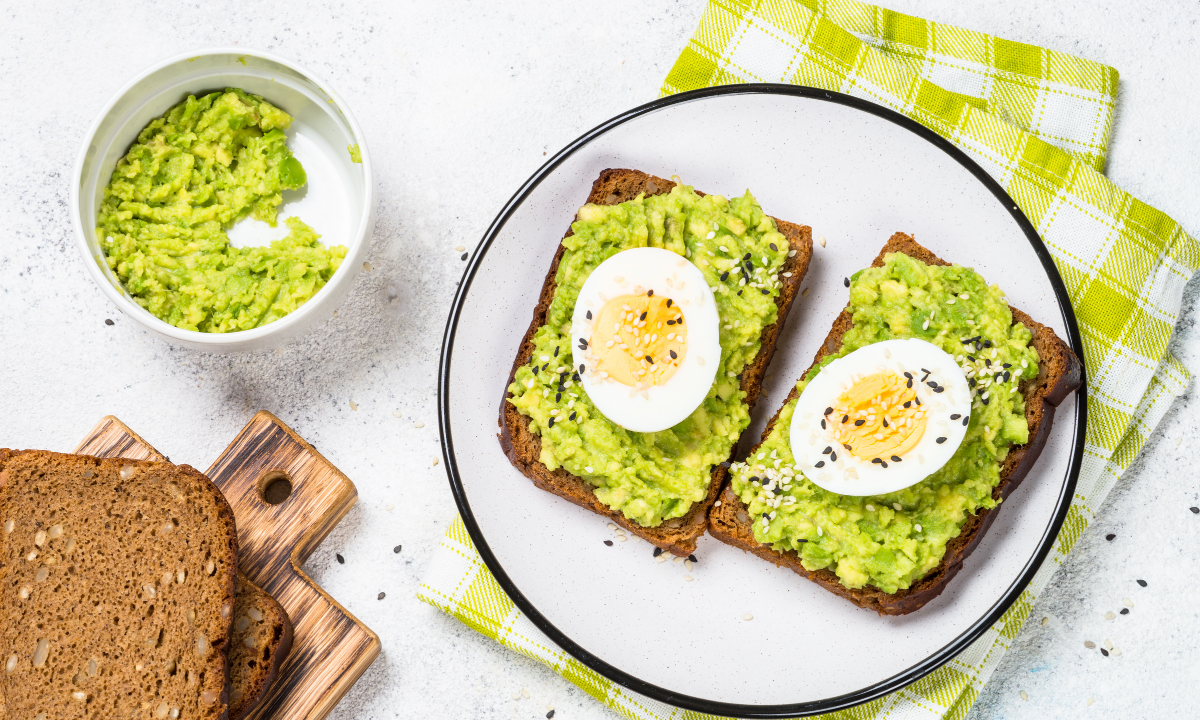
Updated guidelines suggest following a more “Mediterranean” way when choosing healthy fats (monounsaturated and polyunsaturated) in the diet. Eating more foods like salmon (fatty fish), avocados, nuts (almonds, walnuts, pistachios), flaxseed, wheat germ and using canola, olive or avocado oils when cooking.
Foods with fat
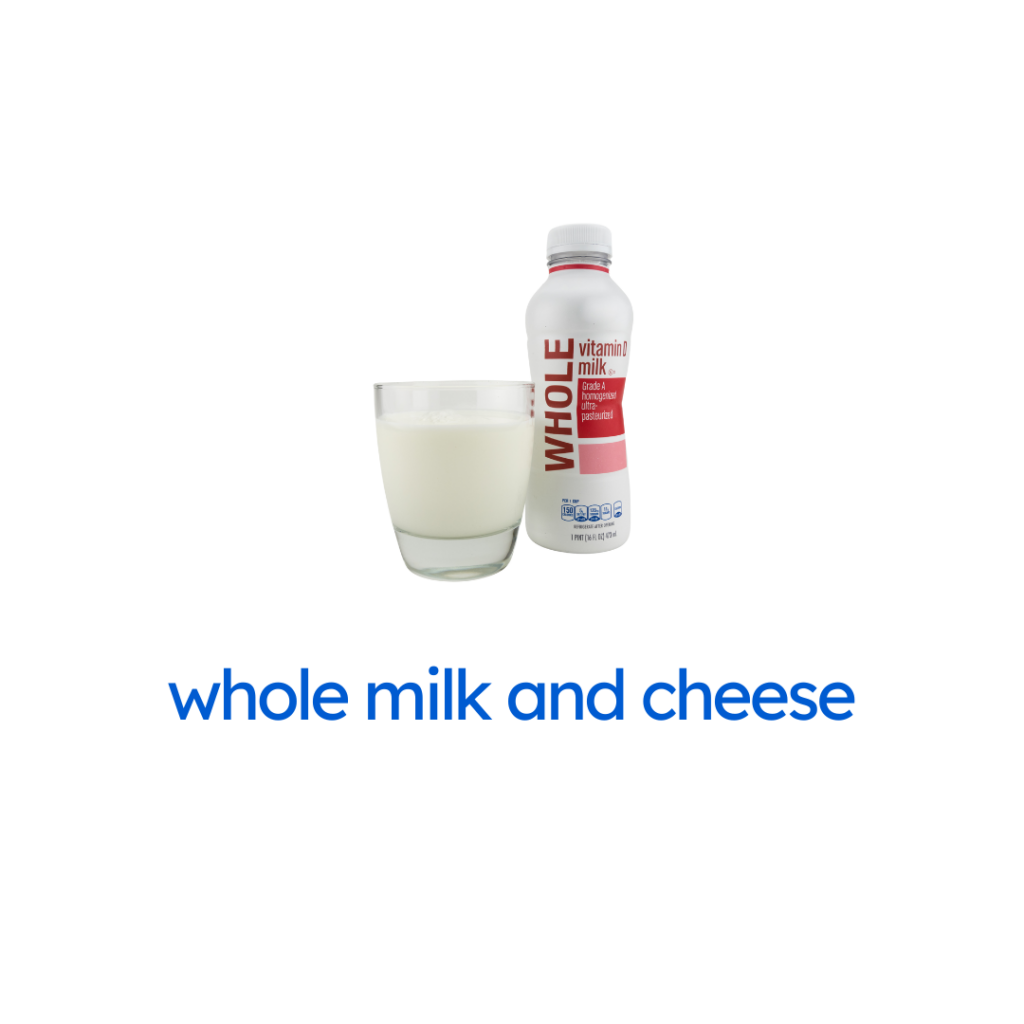
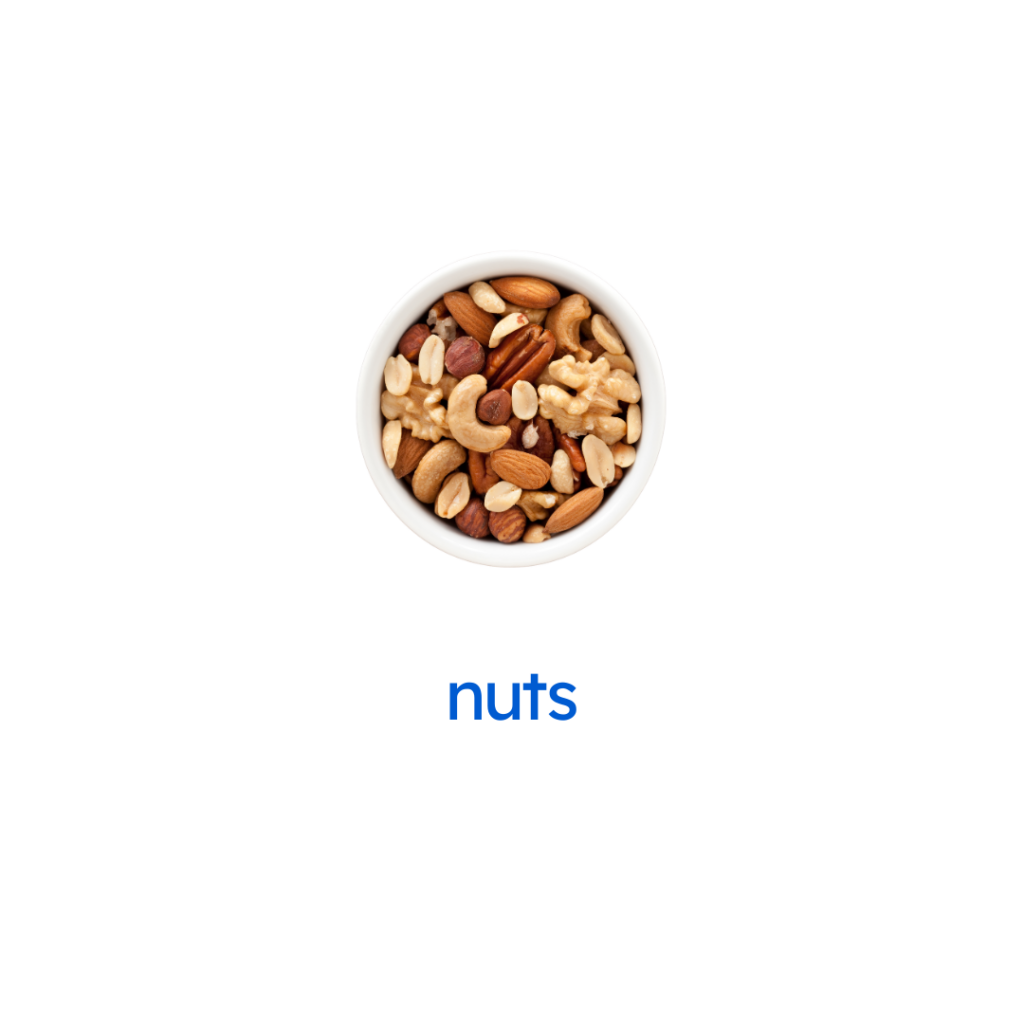
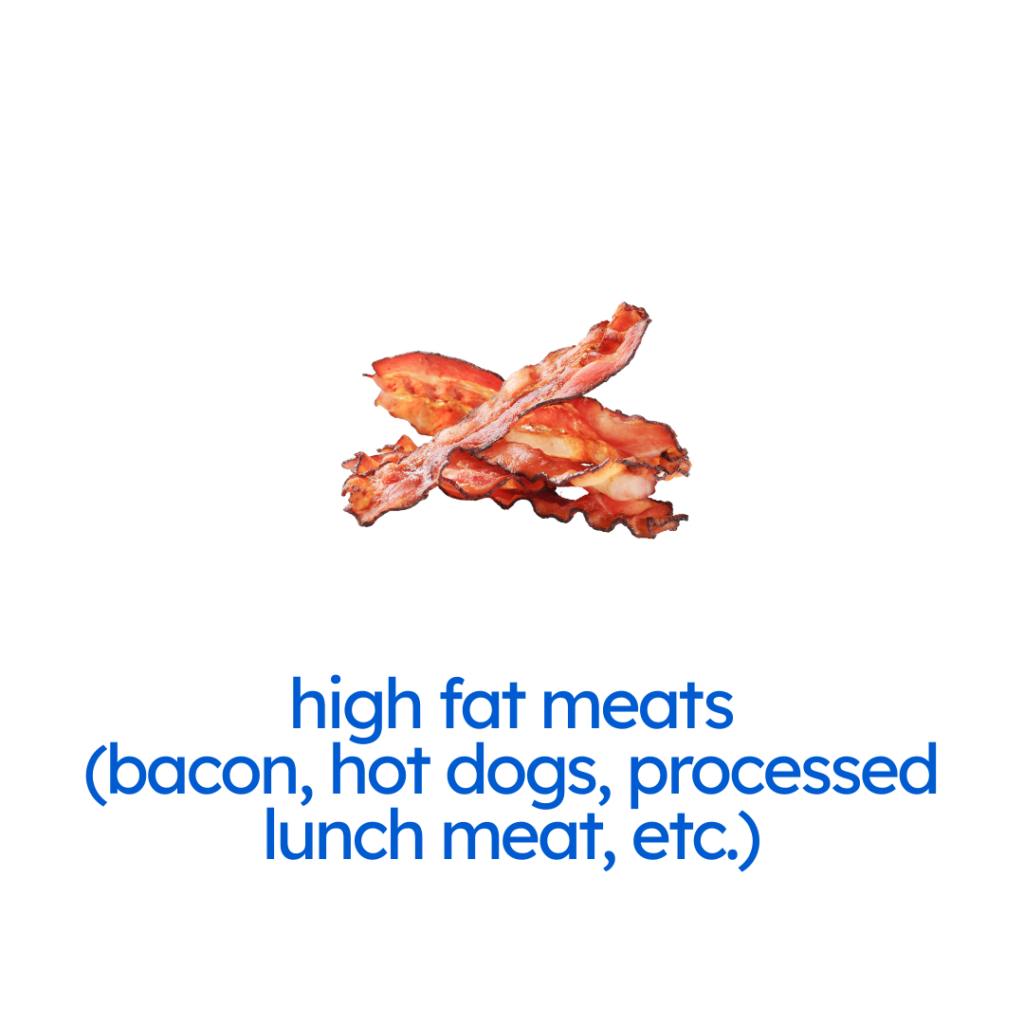
Saturated fat
Saturated fat increases cholesterol levels and the risk of heart disease.
Saturated fat is found mainly in animal products
Saturated fat is solid at room temperature
5%-6% of your daily calories should come from saturated fat.
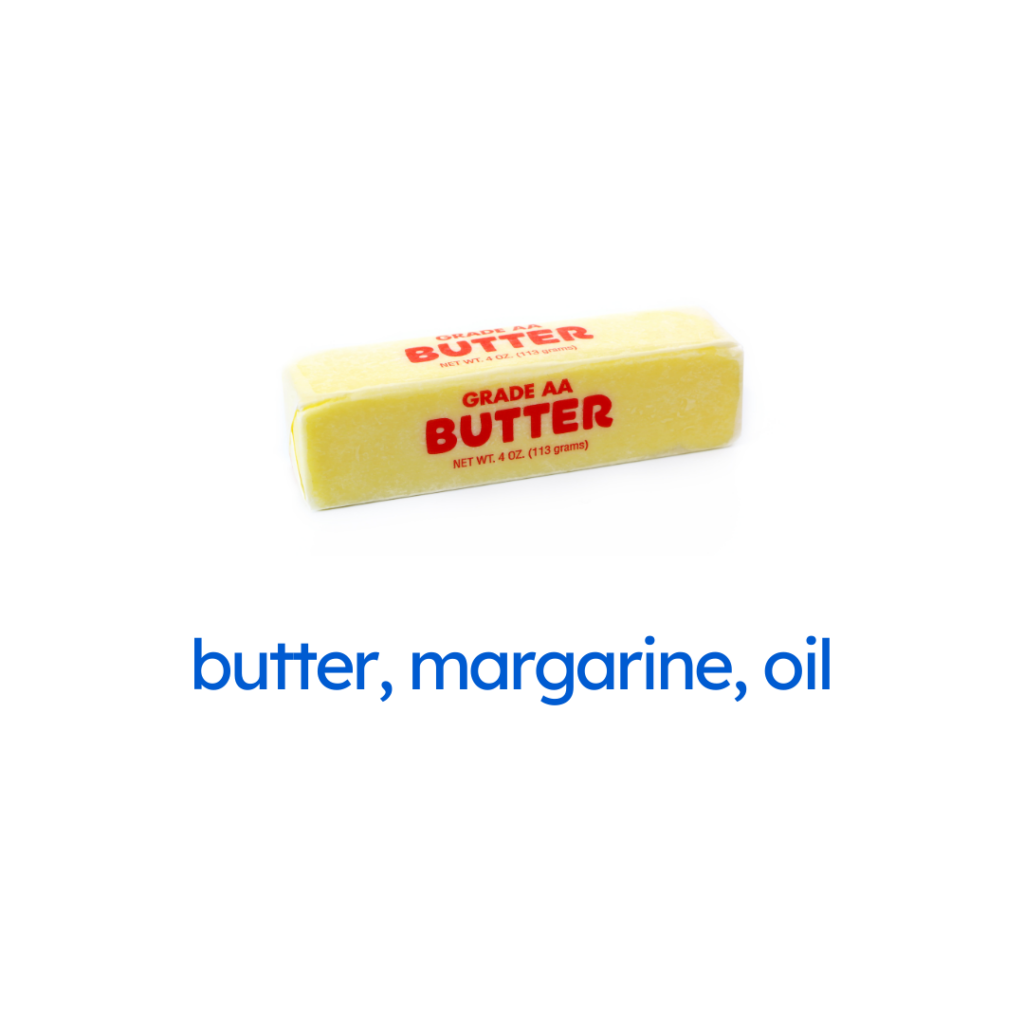
Foods high in saturated fat include high-fat red meats, bacon, sausage, butter, whole milk, cheese, and coconut and palm oils.
Unsaturated fat
Unsaturated fat may help lower cholesterol.
Unsaturated fat is found mainly in plant products.
Unsaturated fat is liquid at room temperature.
Examples of Polyunsaturated (“good”) fats:
- Corn, safflower, subflower, soybean and sesame oils
- Omega-3 fatty acid is found in soybean and canola oils, high-fat fish flaxseed and walnuts
Examples of Monounsaturated (“best”) fats (which may actually increase “good” cholesterol):
- Canola, olive and peanut oils
- Avocados and nuts
trans fat
(Hydrogenated Fat)
Trans fat is made when hydrogen is added to vegetable oils.
It increases cholesterol levels, even more than saturated fats.
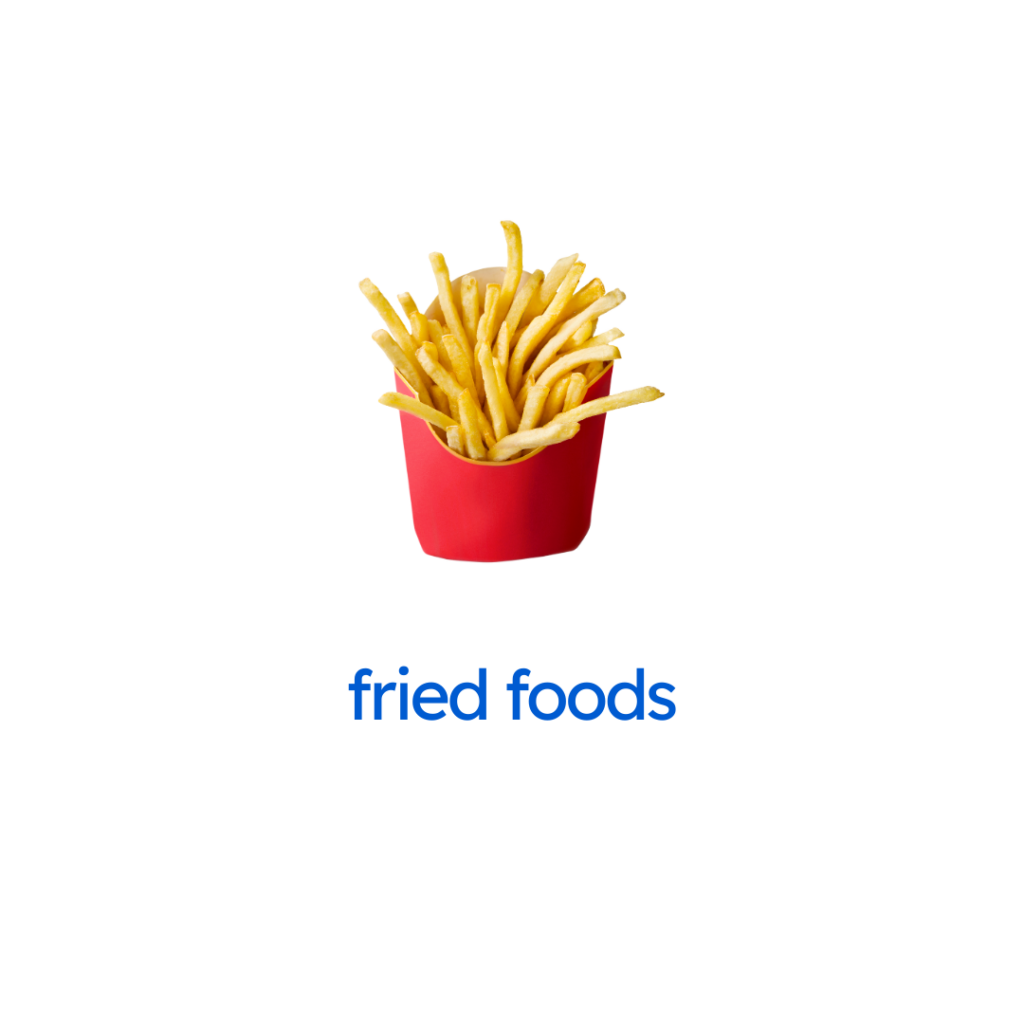
It is found in commercially baked goods, stick margarines, fried food and other processed foods.
| Fats: 1 = choice 0 grams of carbohydrate, 5 grams of fat and 45 calories |
| Unsaturated Fats – Monounsaturated Fats |
| Avocado | 2 Tbsp |
| Peanut Butter (trans fat-free) | 1 1/2 tsp |
| Nuts – almonds, cashews, mixed (50% peanuts) | 6 nuts |
| Oil – canola, olive, peanut | 1 tsp |
| Olives – black (ripe) | 8 large |
| Olives – green, stuffed | 10 large |
| Polyunsaturated Fats |
| Margarine, lower-fat spread (trans fat-free) | 1 Tbsp |
| Margarine, stick, tub (trans fat-free) | 1 tsp |
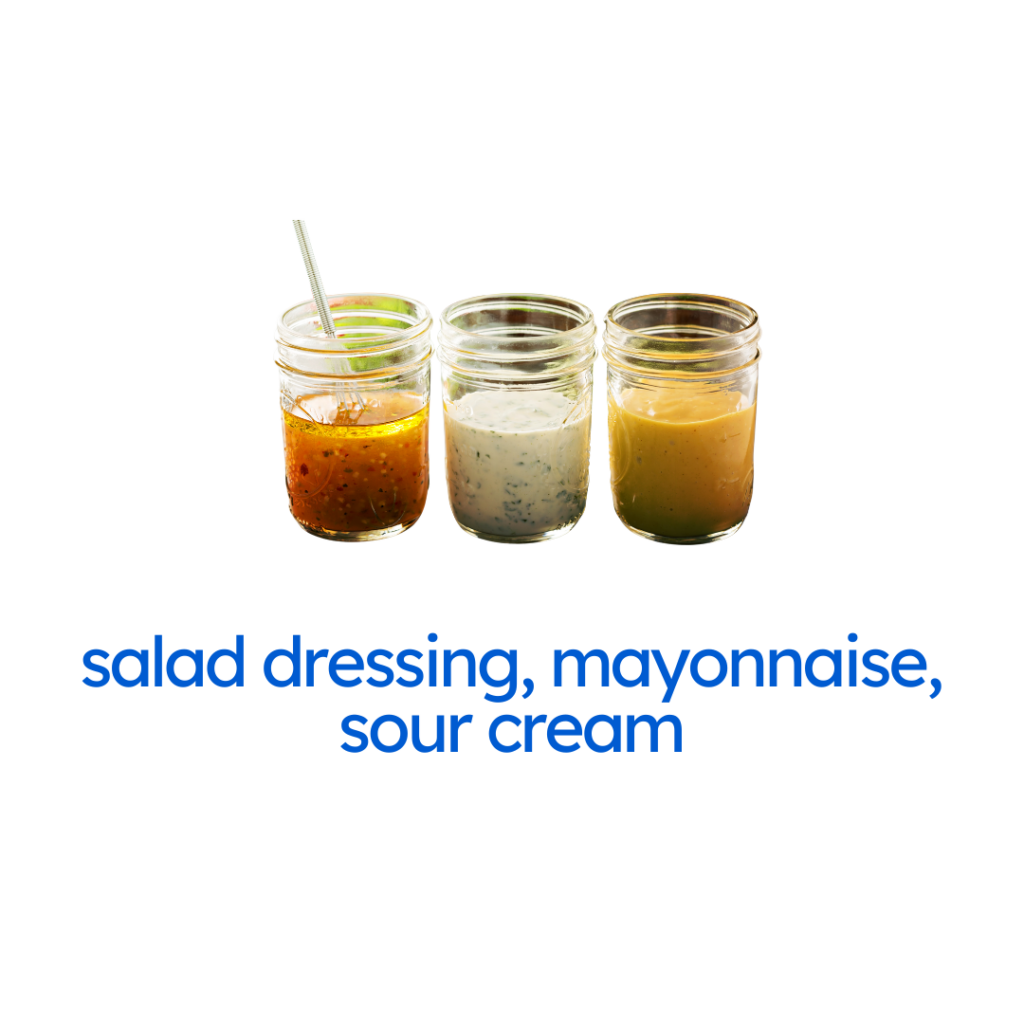
| Mayonnaise, regular | 1 tsp |
| Mayonnaise, reduced-fat | 1 Tbsp |
| Oil – corn, soybean, safflower | 1 tsp |
| Salad dressing, regular *480mg more of sodium per serving | 1 Tbsp |
| Salad dressing, reduced-fat *480mg more of sodium per serving | 2 Tbsp |
| Saturated Fats |
| Butter, reduced-fat | 1 Tbsp |
| Butter, stick | 1 tsp |
| Cream, half and half | 2 Tbsp |
| Cream, whipped, pressurized | 1/4 cup |
| Cream cheese, reduced-fat | 1 1/2 Tbsp |
| Shortening, solid | 1 tsp |
| Sour cream, regular | 2 Tbsp |
| Sour cream, reduced-fat or light | 3 Tbsp |
Daily calories from fat
Total fat intake should be less than 25-35% of your total calories each day.
Saturated fat intake should be 5-6% of total daily calories
Trans fat should be limited to less than 1% of your total daily calories
Remaining fat intake should come from monounsaturated and polyunsaturated fats such as nuts, seeds, fish and vegetable oils.
📱If viewing on a mobile device, rotate your phone to landscape mode for the best reading experience. ⤵️
| Calories | Total Fat (30%) | Saturated Fat (5-6%) | Poly and Mono Unsaturated Fats |
|---|---|---|---|
| 1200 | 40gm | 7-8gm | 31-32gm |
| 1500 | 50gm | 8-10gm | 40-42gm |
| 2000 | 67gm | 11-13gm | 54-56gm |
fat tips
Choose vegetables, whole grains and fat-free or low fat dairy.
Bake, broil, grill or steam rather than fry foods.
Select mono-unsaturated and polyunsaturated fats.
Use liquid oils rather than solid spreads.
Cook with olive oil rather than butter.
If soft margarines are used, look for “0 g trans fat” on label.
Avoid fried foods.
Limit store-bought, ready-made baked goods.
Eat baked, broiled or grilled fish, two or more times each week.
Select lean meats and poultry.
Remove skin from poultry
https://healthyforgood.heart.org/eat-smart/articles/saturated-fats. Accessed 04/2024
https://www.heart.org/en/about-us/heart-attack-and-stroke-symptoms Accessed 04/2024
https://www.helpguide.org/articles/healthy-eating/choosing-healthy-fats.htm Accessed 04/2024
This site is for educational purposes only. Talk to your doctor or healthcare provider before making any decisions about your health.
RESOURCES

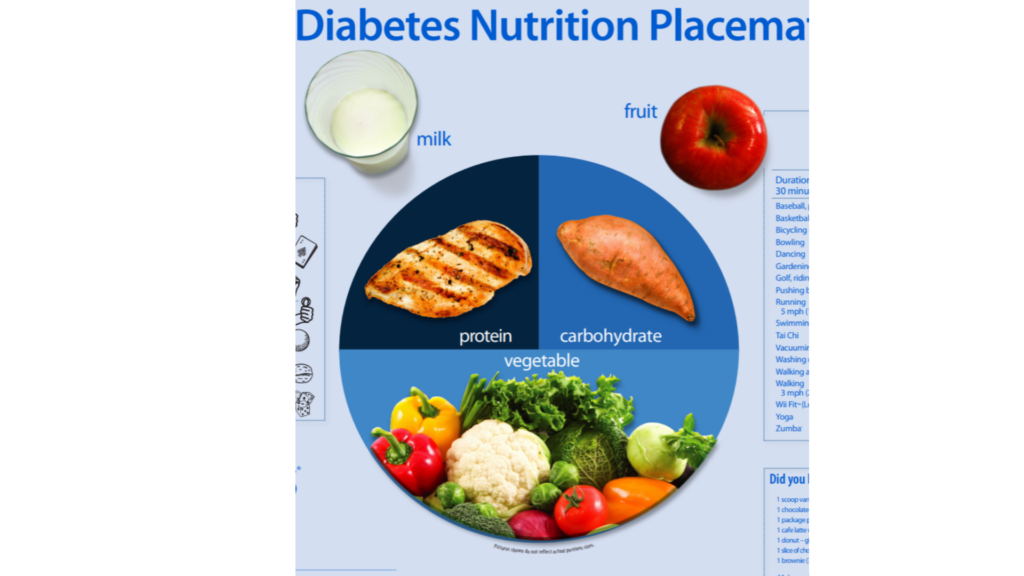
(Spanish)
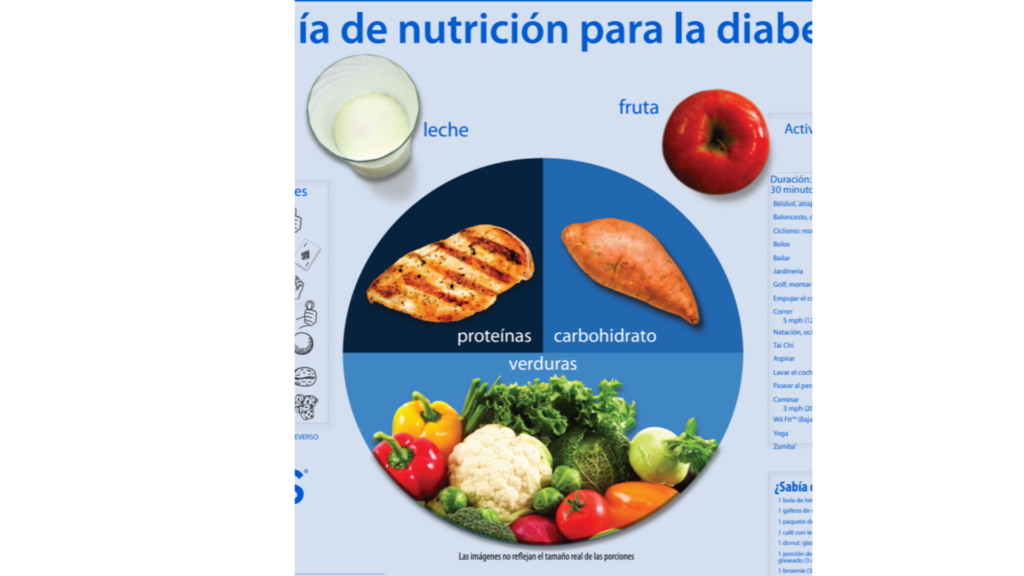
(Spanish)
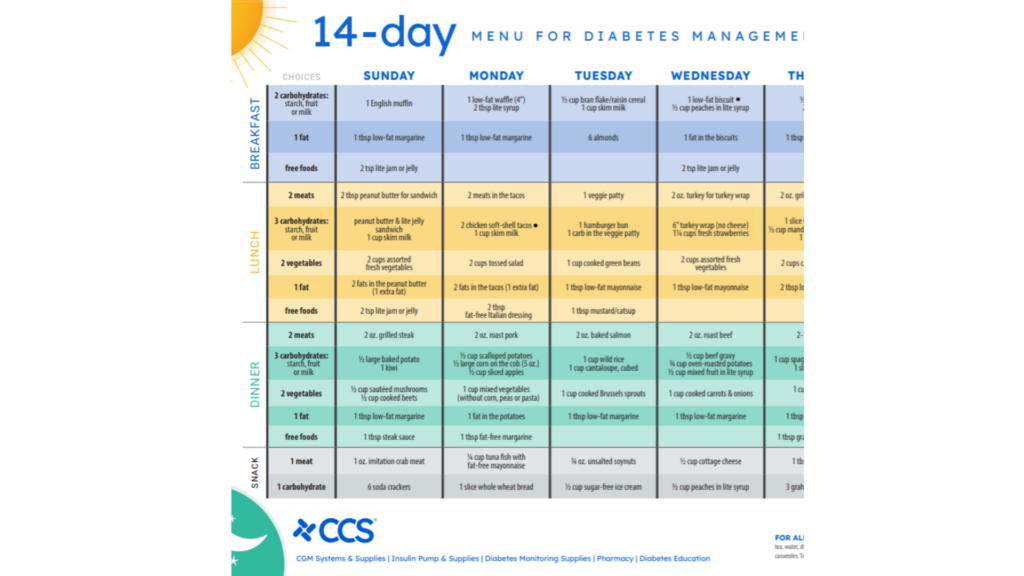
(Spanish)
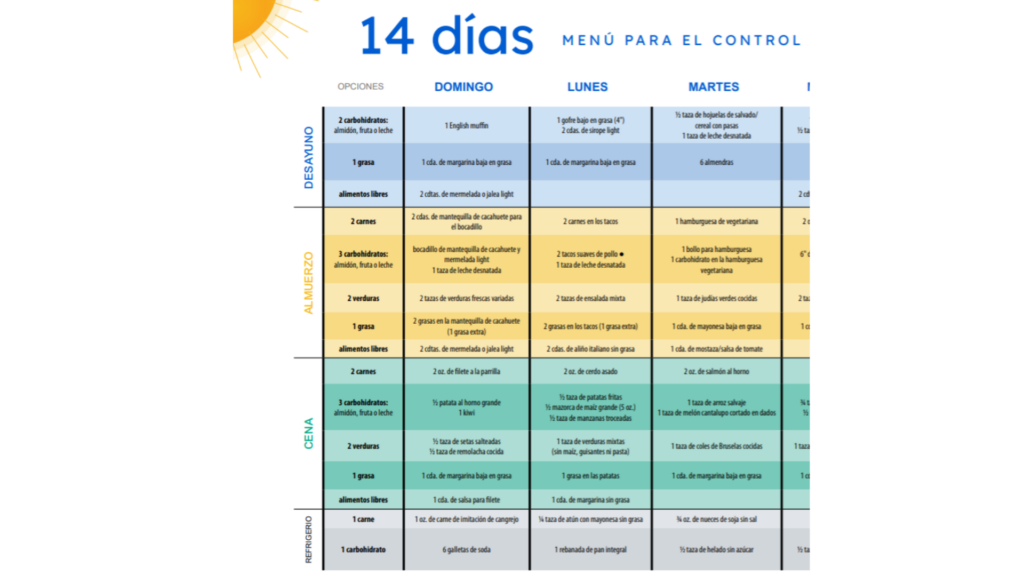
(Spanish)