
Reading The Food Labels

getting started reading food labels
The type and amount of foods you eat affects how high and how fast your glucose
rises. Knowing how to read food labels can help you manage your diabetes. The
“Nutrition Facts” section has essential information.
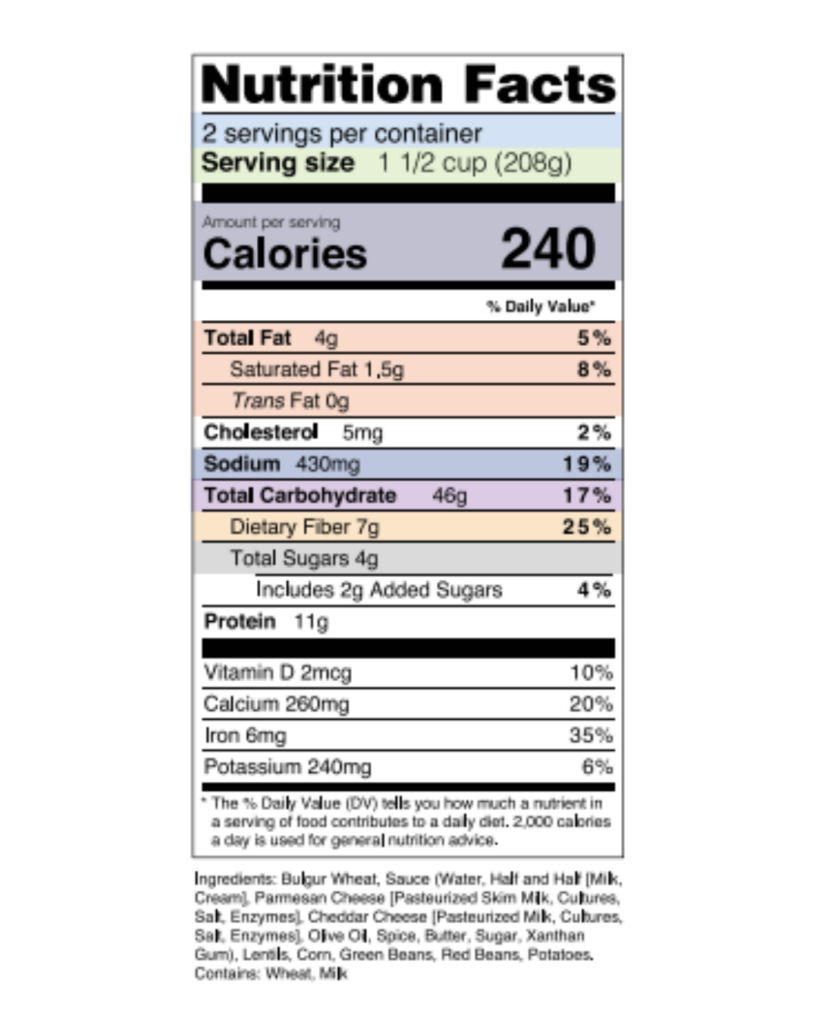
Servings Per Container: One package of food may have more than one serving. You may see a double column label showing you nutrition information for the entire package.
Serving Size: Pay close attention to this. The new label has updated the portion to reflect the amount of foods and beverages people are actually eating, not what they should be eating. All the information on the label: calories, fat, carbs, etc. is based on the portion stated here. It may be more or less than what you normally eat. Be aware
of the amount you typically eat.
Calories: The total number of calories from all nutrients (fat, carbohydrate, and protein) in ONE serving.
Total Fat: This is divided into types of fat. Limit saturated fats and avoid trans fats.
Sodium: The recommended upper limit is 2,300 mg. An ideal limit is no more than 1,500 mg per day.
Total Carbohydrates (CHO’s): These CHO’s are converted to glucose (sugar) when digested, however different CHO’s affect blood sugar differently.
Fiber: It does not convert into sugar and keeps you full longer. Aim for 25-30 grams of fiber per day from food, not supplements. Sugar will quickly raise your blood sugar levels. The new food label now includes Added Sugars. Aim for less than 10% of your calories to come from added sugars (about 25-30 grams of added sugars or less per day).
Ingredients: This list shows you the ingredient with the greatest contribution to the product in weight. The less ingredients, the less processed it is. A long list of ingredients will tell you that it is a highly processed food.
Saturated fat, trans fat, sodium and added sugars.

Dietary fiber, vitamin D, calcium, iron
tips for success
Have a meal plan and schedule your meal “appointments”
Reading and understanding food labels can help you make healthy choices
Portion size is important. When you can’t weigh and measure your food, remember to reference the portion size
This site is for educational purposes only. Talk to your doctor or healthcare provider before making any decisions about your health.
RESOURCES

(Spanish Edition)
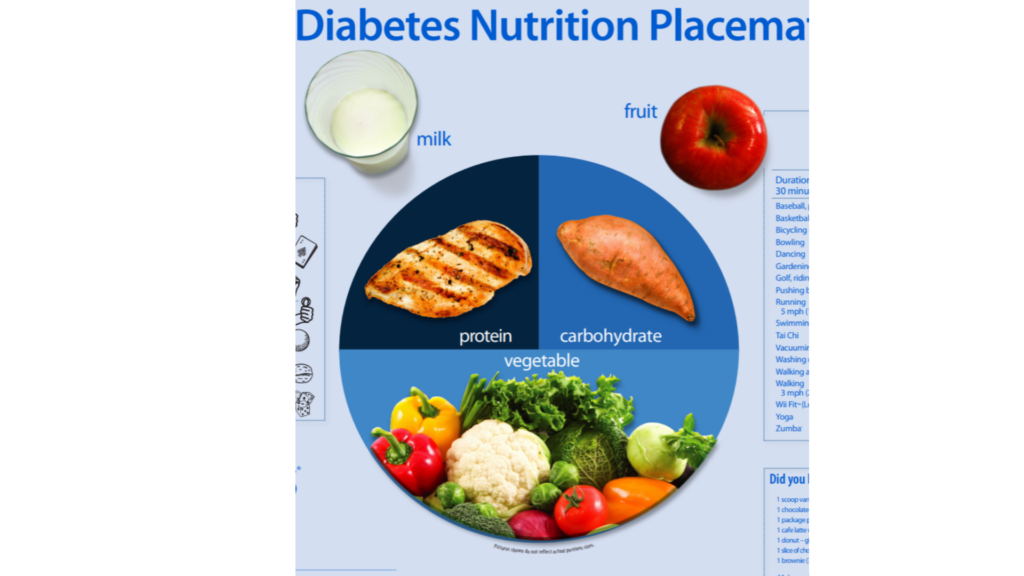
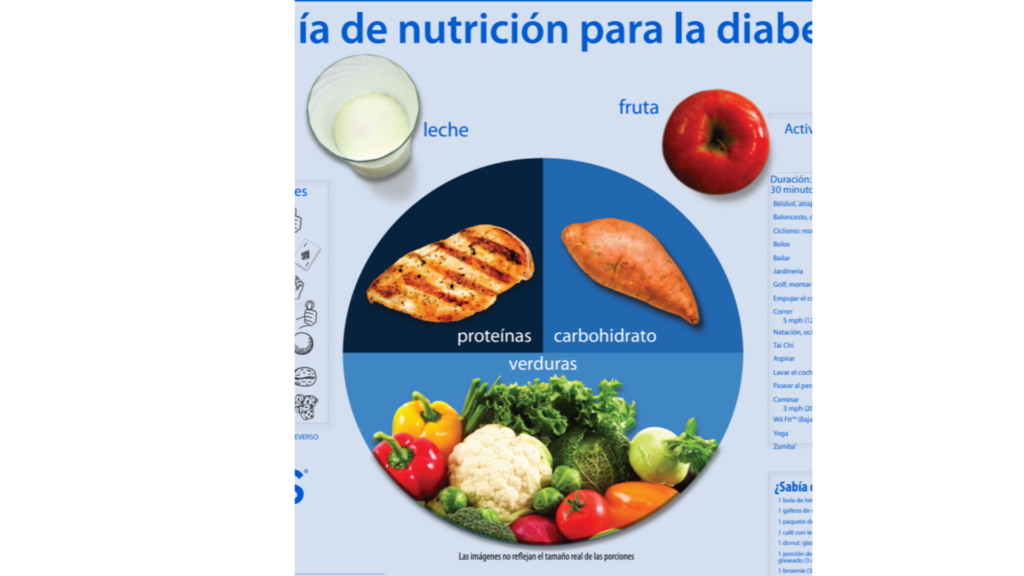
(Spanish)
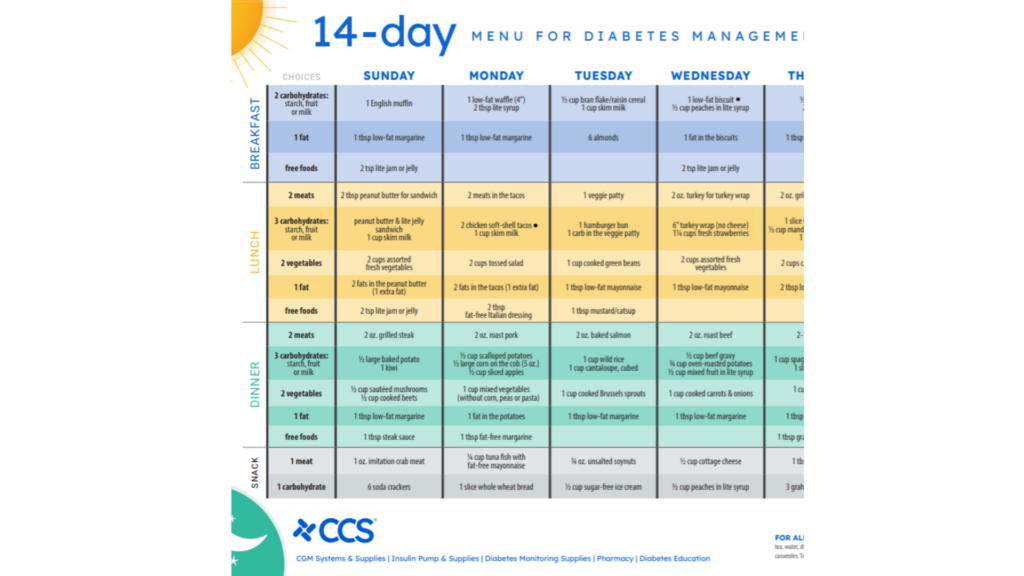
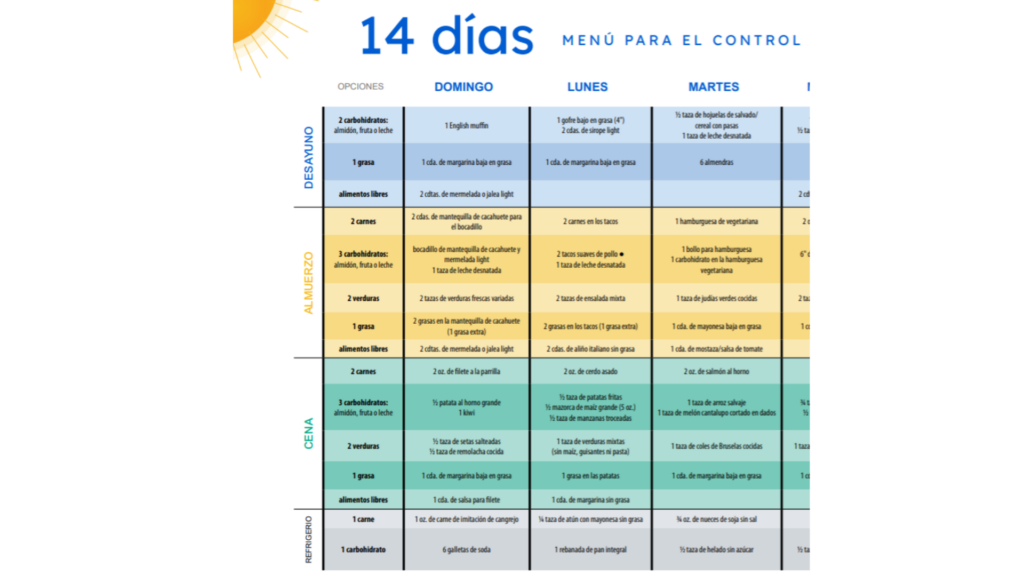
(Spanish)
(Spanish)
(Spanish)
(Spanish)