
Fiber: What Is It and Intake Recommendations
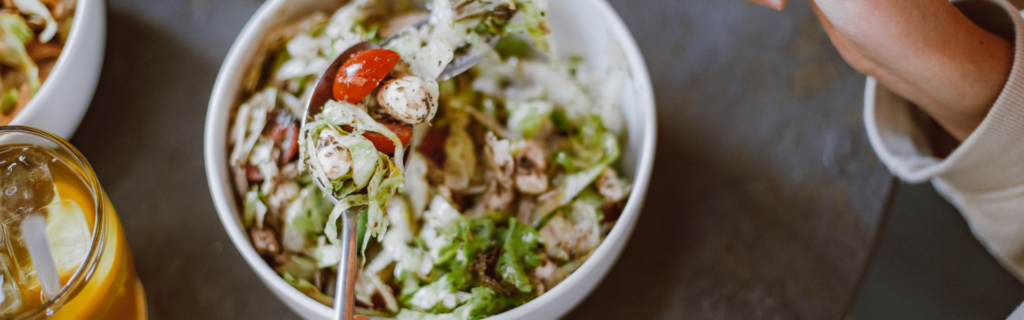
Fiber
Ensuring an adequate intake of fiber can be a challenge for many individuals. According to the 2020 to 2025 Dietary Guidelines, a vast majority—90% of women and 97% of men—fall short of meeting the
recommended daily fiber intake.
Men
Aim for 38 grams of fiber per day (About 14 grams for every 1000 calories).
Women
Aim for 25 grams of fiber per day (About 14 grams for every 1000 calories).

Fiber is not digested, does not convert to sugar, and therefore does not raise blood glucose levels.
Makes you feel full sooner and longer.
Lowers blood cholesterol.
Prevents constipation.
To support optimal health, it’s advised that most healthy adults aim to include the following amounts of fiber in their daily diet:
| Age | Female | Male |
|---|---|---|
| 2-3 yrs | 14 gm | 14 gm |
| 4-8 yrs | 17 gm | 20 gm |
| 9-13 yrs | 22 gm | 25 gm |
| 14-18 yrs | 25 gm | 31 gm |
| 19-30 yrs | 28 gm | 34 gm |
| 31-50 yrs | 25 gm | 31 gm |
| +50 yrs | 22 gm | 28 gm |
Insoluble fiber
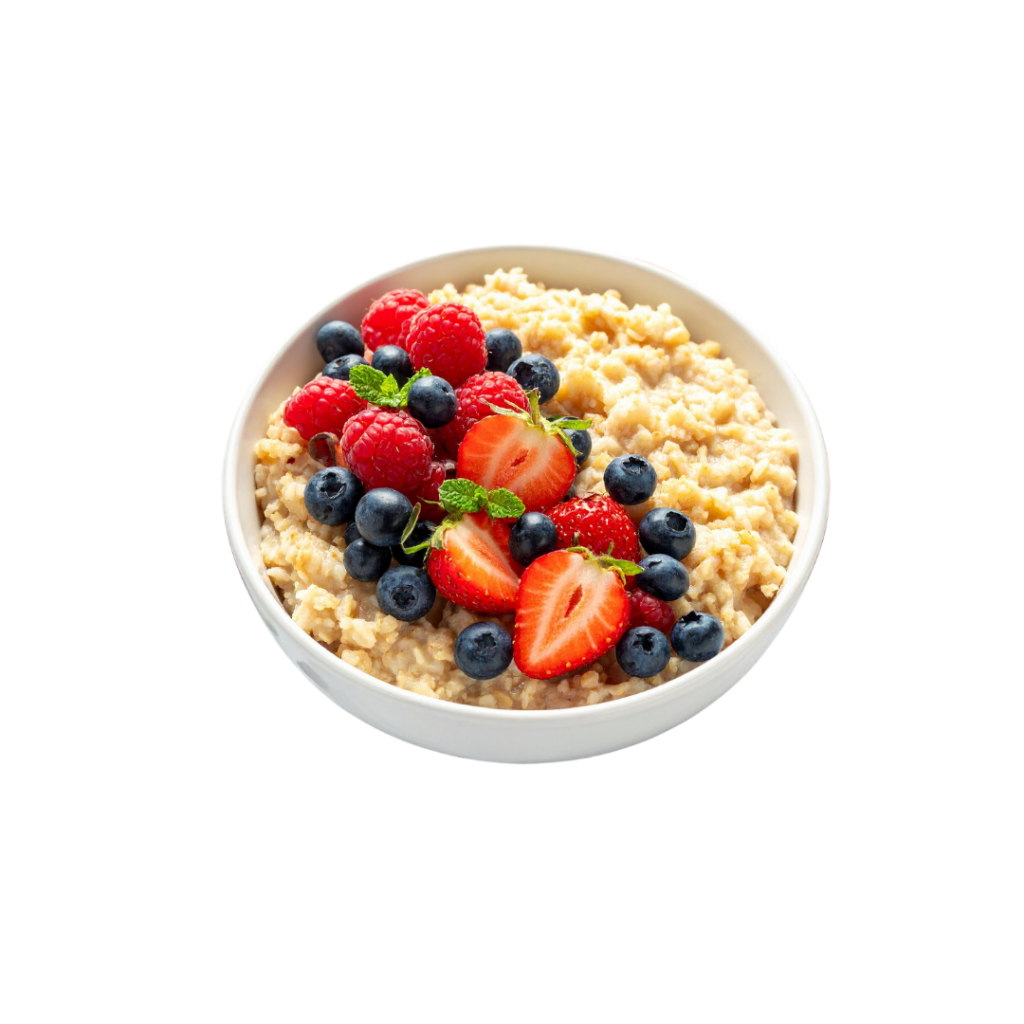
Found in bran, whole grains, some vegetables and nuts.
May help lower glucose and cholesterol.
Helps prevent constipation by increasing stool volume and aiding it to pass easily through the intestines.
Found in oats, beans, citrus fruits and barley.
Soluble fiber

Increase fiber slowly – add no more than 5 grams a day. Adding it too quickly can cause diarrhea, gas and bloating. Drink plenty of water and non-calorie fluids. A high-fiber diet can cause constipation if you do not get enough fluid.
Average fiber intake
Use brown rice rather than white rice
Include beans at least 3x per week
Eat whole fruit rather than drinking juice
Snack on fruits, vegetables, popcorn, or high fiber crackers
Eat the skin on fruits and vegetables when possible
Increase vegetable portions at lunch and dinner
Use whole-grain bread rather than white bread. Whole grain should be the first item listed on the food label. Avoid large amounts of processed grains.
increasing fiber intake
| Fruits | Serving Size | Grams of Fiber Per Serving |
|---|---|---|
| Apple with skin | 1 medium | 4 gm |
| Figs, dried | 2 medium | 4 gm |
| Pear | 1 Medium | 5.5 gm |
| Strawberries | 1 cup | 4 gm |
| Grains, Cereals and Pastas | Serving Size | Grams of Fiber Per Serving |
|---|---|---|
| Bran cereal | 1/2 cup | 8 gm |
| Brown rice, cooked | 1/2 cup | 2 gm |
| Pumpernickel bread | 1 slice | 3 gm |
| Whole wheat pasta | 1/2 cup | 3 gm |
| Vegetables | Serving Size | Grams of Fiber Per Serving |
|---|---|---|
| Broccoli | 1/2 cup | 2 gm |
| Brussel sprouts | 1/2 cup | 3 gm |
| Spinach | 1/2 cup | 2 gm |
| Legumes, Nuts and Seeds | Serving Size | Grams of Fiber Per Serving |
|---|---|---|
| Baked beans, canned | 1/2 cup | 5-8 gm |
| Lentils | 1/2 cup | 8 gm |
| Peanuts, dry roasted | 1/4 cup | 3 gm |
| Sunflower seeds | 1/4 cup | 2 gm |
Academy of Nutrition and Dietetics https://www.eatright.org/health/essential-nutrients/carbohydrates/easy-ways-to-boost-fiber-in-your-daily-diet
Department of Health and Human Services. Dietary Guidelines for Americans, 2020-2025. 9th Edition. December 2020. Accessed 04/2024
https://www.dietaryguidelines.gov/sites/default/files/2020-12/Dietary_Guidelines_for_Americans_2020-2025.pdf Accessed 04/2024.
This site is for educational purposes only. Talk to your doctor or healthcare provider before making any decisions about your health.
RESOURCES


(Spanish Edition)
(Spanish)
(Spanish)
(Spanish)
(Spanish)
(Spanish)